
Discover the best itinerary and the top things to do in Normandy and Brittany in France, and other must-see places in the area on a road trip.

Normandy and Brittany have always been at the top of my bucket list. For those who like landscape photography or want to spend a few days chilling out, Normandy and Brittany are simply perfect. They offer breathtaking views, beautiful villages, great history, and incredible people. Not to mention the great food.
So the first time I had the chance, I decided to drive from Italy to Normandy and Brittany, exploring France’s countryside for about 10 days.
If you plan to visit Normandy and Brittany, I suggest you do so by car. If you want to rent a car, I recommend checking on Trip. A car will give you a lot of freedom and allow you to stop wherever you want. And I bet you will! You will see some amazing landscapes that cannot be discovered by bus or train.
The ideal starting point is Paris–Beauvais Airport, and you can take your return flight from Nantes.
Helpful info about Normandy and Brittany
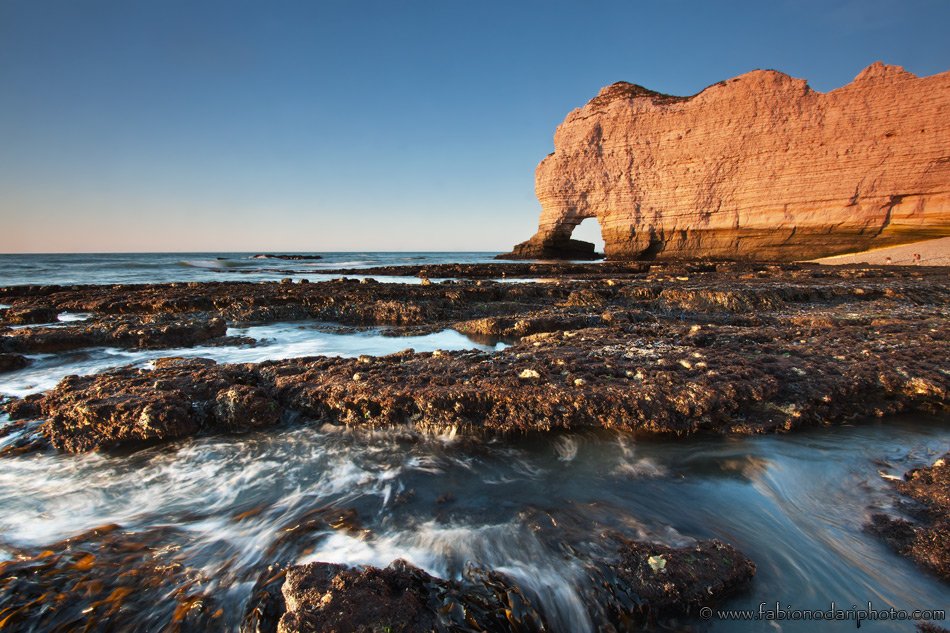
Most people immediately associate Normandy with D-Day and the beaches where thousands of soldiers lost their lives during the Second World War. While that history is impossible to ignore, Normandy is much more than that. Together with Brittany, it forms one of the most fascinating and rewarding areas in Europe to explore slowly.
I think Normandy and Brittany are worth visiting because they still feel real and lived in, not shaped around mass tourism. Daily life follows its own rhythm, even in well-known places, and the landscape plays a central role in the experience, from the coastline to the countryside in between. Even in Summer, you should always be ready for wind and rain.
If you enjoy landscape photography or simply driving without a strict plan, this part of France makes a lot of sense. Light changes quickly, the weather adds atmosphere rather than ruining plans, and distances are short enough to explore without feeling rushed. Food is another strong reason to come here, with fresh seafood, butter-based dishes, crêpes, cider, and simple meals done properly, without unnecessary complications.
When is the best time to visit
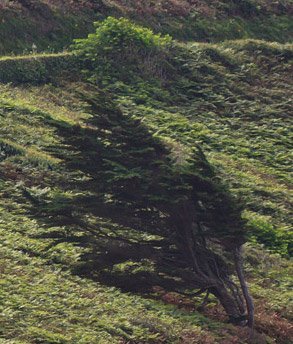
I don’t think there is a single perfect time to visit Normandy and Brittany. These are regions where the weather changes constantly, and that is part of the reason why they work so well for slow travel.
Late Spring, between May and June, is probably the easiest period to recommend. The countryside is at its best, and there are fewer tourists compared to Summer. Temperatures are mild, and while rain is always possible, it usually does not dominate the day. For road trips and photography, this is a very good time to be here.
Summer, especially July and August, gives you longer days and a better chance of dry weather, but it also comes with more people and higher prices. Coastal areas can feel busy, especially in the middle of the day. I think Summer still works if you start early, avoid strict schedules, and focus on less-known spots. Wind and sudden changes in weather are still common, even in August.
Autumn, from September to early October, is another period I really like since there are fewer tourists. You need to be more flexible with plans, as rain is more frequent, but the overall experience feels calmer and more authentic.
I don’t recommend winter: days are short, many places close, and the weather can be rough. That said, if you are interested in empty landscapes, dramatic skies, and a quieter side of Normandy and Brittany, Winter can still make sense, especially if photography is your primary focus.
Overall, I think late Spring and early Autumn offer the best balance. If you accept that the weather is never entirely predictable, you can enjoy Normandy and Brittany almost any time of the year.
If you want cheap accommodation, you can stay in one of the many Chambres d’hotes or book a hotel with Booking.com.
Top things to see on a road trip

There’s no “right way” to explore northern France, but this is an idea of some of the places you might want to visit on your first trip in the area.
Paris Beauvais → Rouen → Étretat → Honfleur → Caen → Cap de la Hague → Nez de Jobourg → Mont-Saint-Michel → Cancale → Saint-Malo → Rennes → Nantes
Day 1, Arrival in France and Rouen

I suggest starting this road trip from Paris Beauvais Tillé Airport since it places you closer to Normandy compared to Charles de Gaulle. Once you land, pick up your rental car directly at the airport and drive toward Rouen.
The distance is about 85 km, and the drive takes roughly one and a half hours, crossing green farmland and quiet countryside.
You can spend half a day in the old town. The Cathedral of Notre Dame dominates the city and is famous for being painted dozens of times by Monet. Walking under the Gros Horloge is another classic Rouen moment, a medieval astronomical clock framed by timber houses. Another highlight is the Place du Vieux Marché, where Joan of Arc was executed.
You can spend the rest of the time wandering through the narrow alleys of the city and spend the night there, which gives good photography opportunities at night.
Day 2, Étretat and the Alabaster Coast
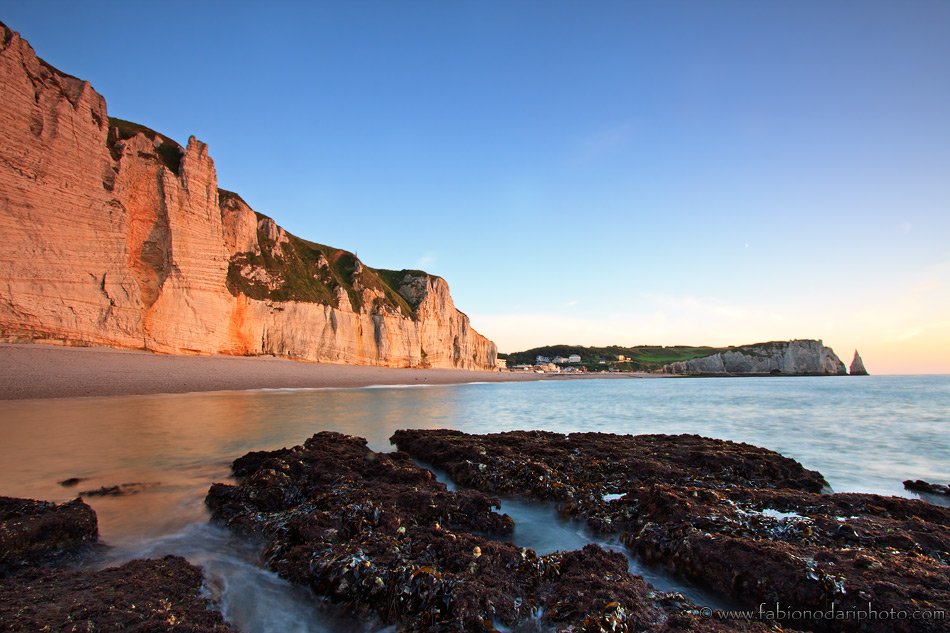
After breakfast in Rouen, drive toward Étretat, about 90 km away, roughly one and a half hours.
The white limestone arches rising above the ocean are absolutely incredible and a paradise for every photographer. Walk toward both Falaise d’Amont and Falaise d’Aval if you can. The views change constantly depending on light and tide, which makes this area especially interesting.
Étretat has inspired artists for generations. Monet painted here many times, fascinated by the light on the cliffs. The village is also connected to Arsène Lupin, the fictional gentleman thief created by Maurice Leblanc. In the novel “The Hollow Needle,” the rock formation called L’Aiguille plays a central role as a secret hideout, and the recent Netflix series helped make Étretat famous again.
In the afternoon, if you want to move a bit more, drive to Fécamp, only 20 km away. It is a working port town, less polished and more authentic, known for the Bénédictine distillery and its abbey.
Return to Étretat for sunset. Staying overnight here is a good idea, especially if you are into photography, since this will allow you to catch the sunrise.
Day 3, Honfleur, and D Day Beaches and Caen

From Etretat, drive toward the D-Day landing beaches. The distance to Arromanches les Bains is about 150 km and takes around two hours.
I recommend stopping briefly in Honfleur because this is a charming coastal town, famous for its picturesque harbor, colorful houses, and charming streets perfect for a short stroll and photography.
You can then drive towards Arromanches, where you can still see the remains of the Mulberry Harbour, the artificial port built by the Allies after the landings. Visiting Arromanches 360 helps understand the scale and complexity of the operation through immersive archival footage.
You can then continue toward Omaha Beach. Above the beach sits the American Cemetery of Colleville-sur-Mer. More than 9,000 white crosses face the sea in perfect alignment.
If you still have energy, stop in Bayeux. The Bayeux Tapestry, almost 70 meters long, tells the story of the Norman conquest of England in 1066. It is a UNESCO-recognized masterpiece and well worth the visit.
For the night, you can stay in Caen, and you can spend the evening walking around the Abbaye aux Hommes, founded by William the Conqueror, and the Ducal Castle.
Day 4, Cap de la Hague and Nez de Jobourg
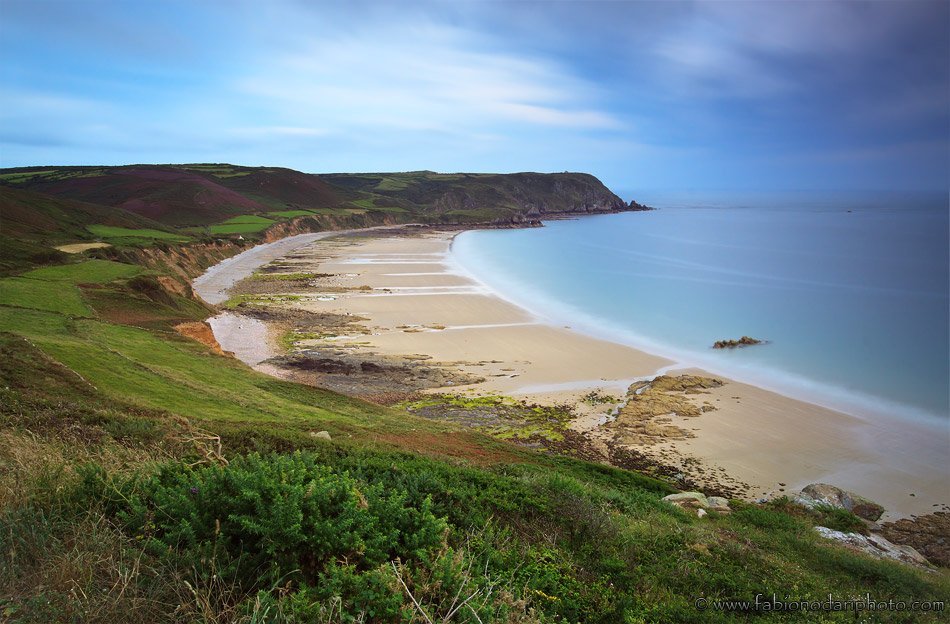
This is one of the most underrated days of the entire itinerary, and for me, one of the best.
From Caen, drive west toward the Cotentin Peninsula. Cap de la Hague is about 150 km away, and it takes around two hours to get there. As you drive, the landscape becomes more remote and less touristy.
Cap de la Hague feels wild, exposed, and raw. This is Normandy at its most untamed: wind, ocean, cliffs, and very little human presence.
From here, continue to Nez de Jobourg, one of the highest sea cliffs in Europe. The cliffs rise sharply above the English Channel, and on a clear day, you really feel how close England is. Walking along the coastal paths here is incredible, and there are very few people. This area is perfect if you like slow travel and landscape photography.
The road ends a few kilometers further north, at Goury, a small village that gives you the feeling of being at the edge of the world. Most days, you can see the English Channel Islands, which are located a few kilometers away.
I recommend staying somewhere in the Cap de la Hague area or near Auderville.
Day 5, Mont Saint Michel
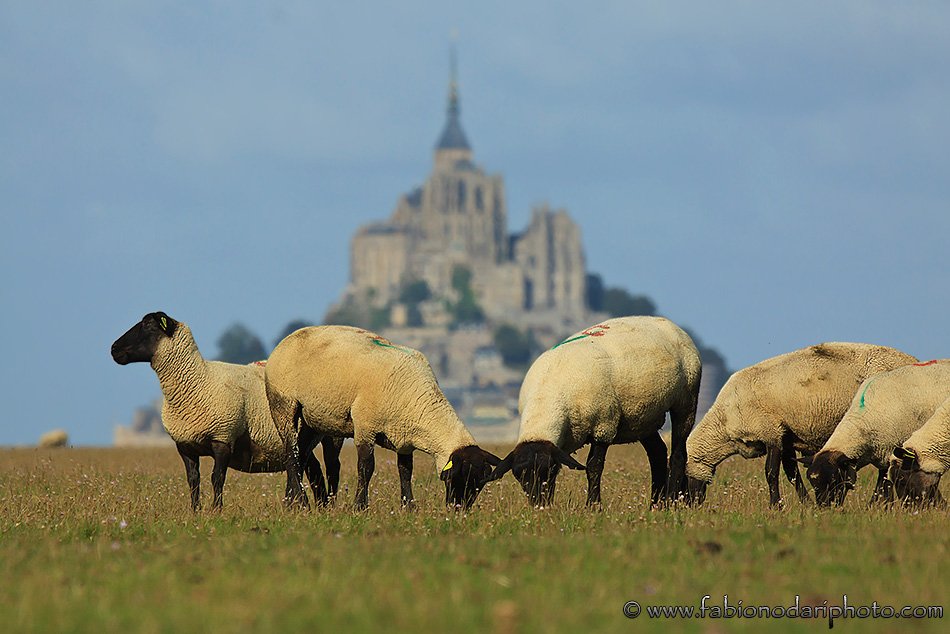
Day five is entirely dedicated to Mont Saint Michel. From Cap de la Hague, the drive is about 200 km and takes roughly two and a half hours.
Remember that you must park at the official parking area, about 2.5 km from the island. The daily rate is around 15 euros and includes shuttle access. If the weather allows, I recommend walking along the pedestrian bridge. Watching the Mont slowly emerge from the bay is part of what makes this place special.
Buy your Abbey ticket in advance if possible and avoid weekends if you can, since there can be a lot of people.
If you want to experience Mont Saint Michel properly, stay overnight. Once the day visitors leave, the atmosphere changes completely. If budget is not a problem, I recommend staying at Auberge Saint Pierre. If you want to save money, then stay in one of the guesthouses in the nearby villages.
Day 6, Cancale and Saint Malo
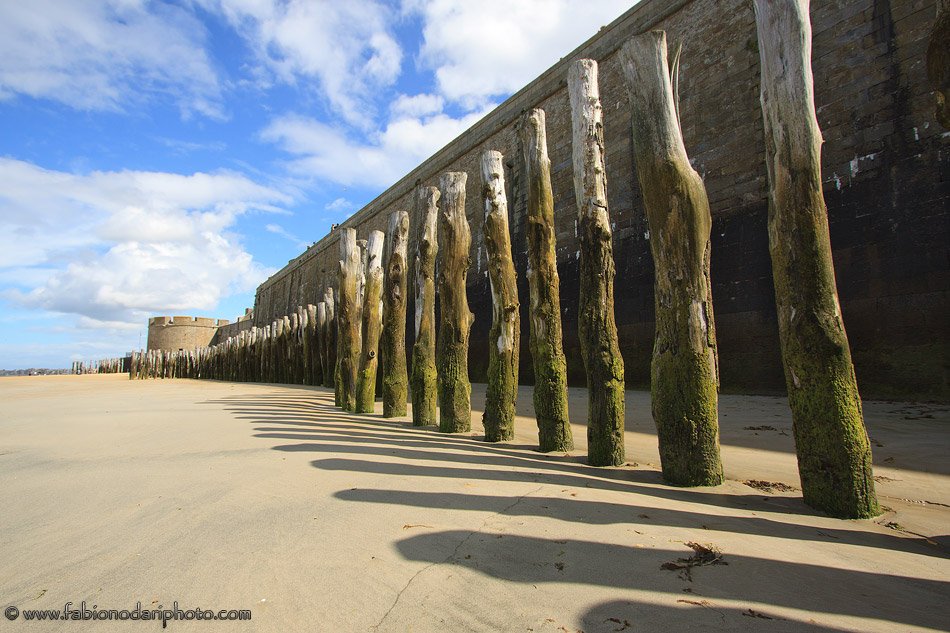
After leaving Mont Saint Michel, drive about 45 km to Cancale. This small coastal town is famous for oysters and still feels very authentic. Walk along the harbor and, if you like oysters, try them fresh with lemon and white wine.
In the afternoon, continue toward Saint Malo, only 15 km away. This fortified city was once home to corsairs and still feels compact and strong behind its walls. Walk along the ramparts, circle the old town, then explore the narrow streets of the town.
Day 7, Rennes and Optional Brocéliande Forest

From Saint Malo, drive inland toward Rennes, about 70 km and just over an hour on the road. Rennes is the capital of Brittany and feels younger and more creative than many people expect. Half-timbered houses, lively squares, and a strong student presence give the city its energy.
Walk through the historic center, Place des Lices, and Place Sainte Anne. The Thabor Gardens are among the most beautiful parks in France and are worth your time. The Cathedral of Saint Pierre adds an interesting contrast with its neoclassical style.
If you have extra time, consider a detour to the Forest of Brocéliande, about 40 km away. Linked to Arthurian legends, it is said to be the home of Merlin. The landscape is quiet, green, and slightly mysterious. For the night, you can stay in Rennes.
Day 8, Nantes and Departure
The final leg of this road trip takes you from Rennes to Nantes, about 110 km and roughly one and a half hours.
If you have a few hours, start with Les Machines de l’Île, an artistic project inspired by Jules Verne and Leonardo da Vinci, and then continue with the Château des Ducs de Bretagne, which also hosts the city’s history museum, and then wander through the historic center around Place Royale.
From here, head to Nantes Airport to return your rental car. Make sure your booking allows one-way drop-off.
Photography Tips
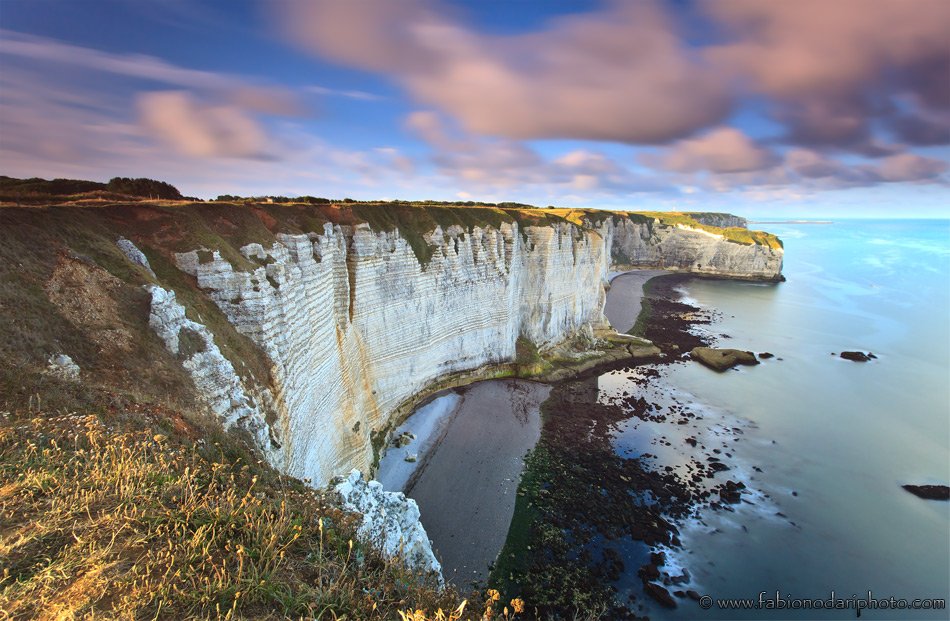
Normandy and Brittany are a dream for photographers, especially if you love landscapes and dramatic coastlines, and honestly, it’s almost impossible to return home without some great shots. The scenery is so incredible that sometimes it’s hard to know exactly what to photograph, so having a wide-angle lens is a good starting point. At the same time, a longer focal length can help you isolate details and create more intimate compositions.
Tripods are a must if you want sharp images in low light or long exposure shots to smooth water and capture movement. Bracketing exposures is useful for scenes with high contrast, like bright skies and dark foregrounds, so you can merge them later in post-processing (check out my review of one of the best plugins for Photoshop: Luminar AI).
Final thoughts
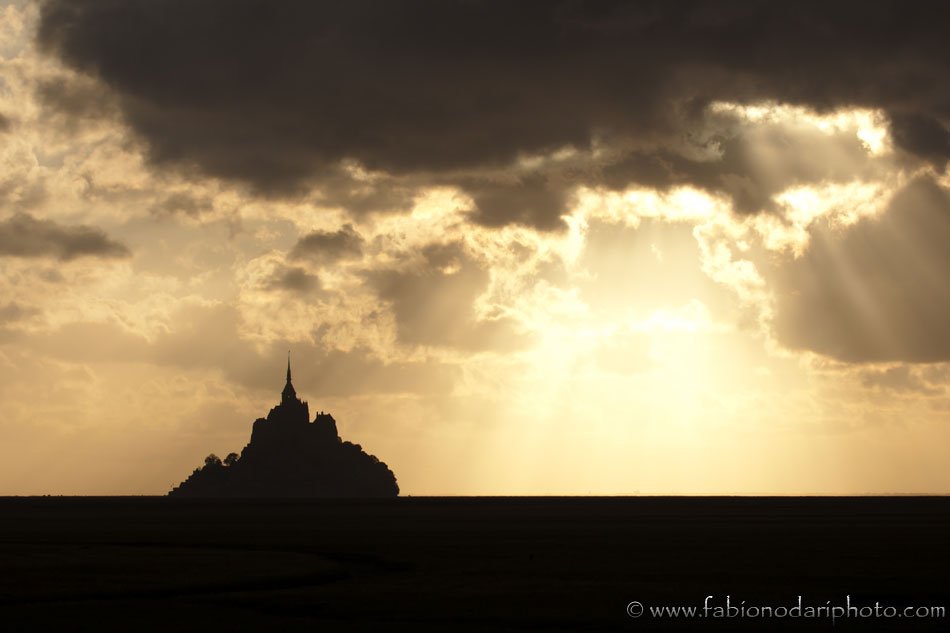
Brittany and Normandy have so much to offer, and on this trip, I only visited some of the most beautiful spots. Whether you’re interested in history, great food, or natural beauty, you won’t be disappointed. Add to that the fact that the region is still relatively affordable, and there’s no reason not to go at least once.
Moreover, the people in Normandy and Brittany are genuinely fantastic, and the places are extremely well-kept and clean. If possible, plan your trip with the weather in mind, but even if you’re less lucky and it rains, these places remain incredible.
I return home with the feeling that this is just a “see you next time.”
Here you can find more photos taken in France, and here are some travel tips on what to see in Provence. If you have the chance, don’t miss the opportunity to visit Belgium as well, where you’ll find medieval cities like Bruges. You won’t be disappointed.


Absolutely beautiful photos!I love the different perspective of the sheep in front of St. Michel!
Thank you Joy!
Thank you for that! I am now convinced that we will not enter Mont St. Michel, but just admire it from afar (I was there 28 years ago and it was a tourist trap then. My husband has never been but he’s trusting me that going inside is just not worth it. How do you get to that lovely meadow nearby?
Hi Carolyn. I totally agree. If it was a tourist trap then, how much more so now.
By the way to get to the meadow you can drive along the main road and stop by whenever you want. Copy and past this address in Google maps: 78 Rue du Mont Saint-Michel, 50220 Courtils, Francevery close
That is not the specific location because I honestly don’t remember where it was, but it’s very close.
Hope this helps!
It helps, yes. Thank you!
That’s great Carolyn. Have a safe trip.
La Francia più bella e affascinante è questa qui.
La gente è pure più gioviale e ha meno spocchia.
Un saluto!
Vero. In questa zona le persone sono molto cordiali.