
Rome is often called one of the most beautiful cities in the world. This 2-day itinerary will help you explore its iconic sights without feeling too rushed.
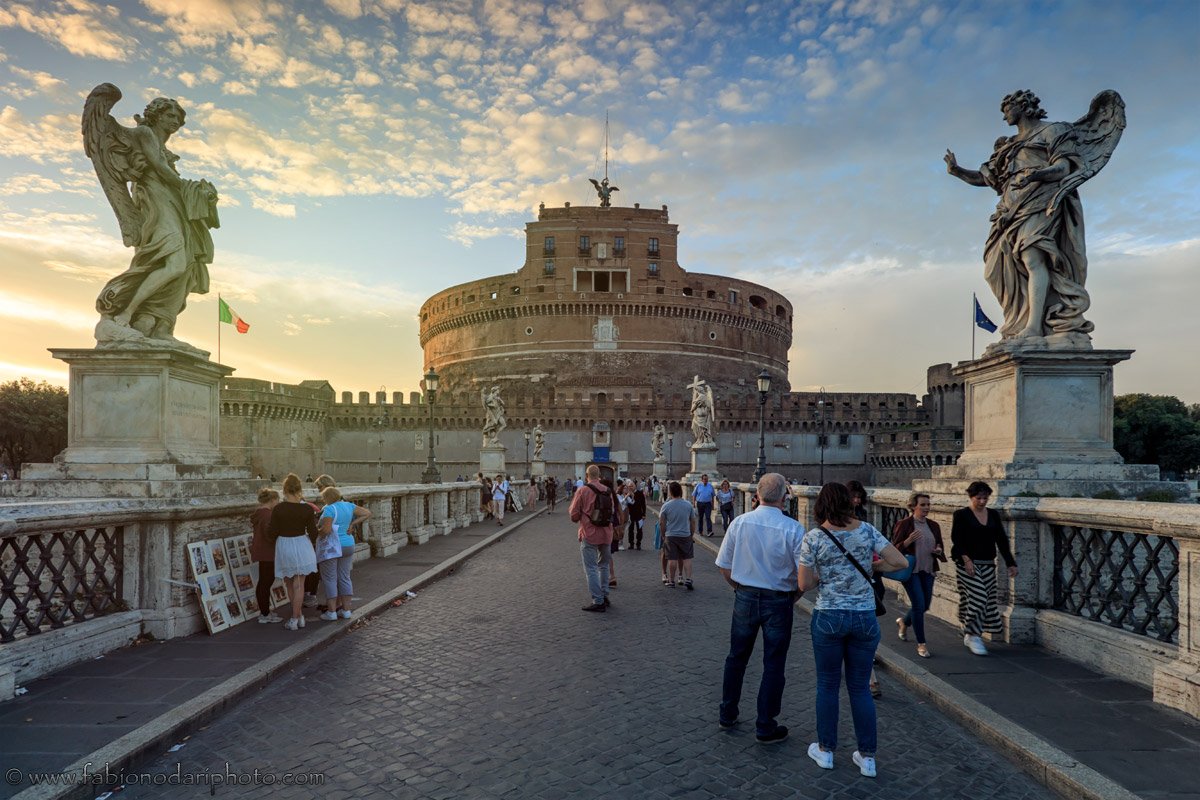
Rome is one of the most interesting cities in the world. Although I don’t like to make comparisons, I have to admit that I have always had a weak spot for this place, and it is in my personal Top 3 of the best cities I have ever visited.
With so much history and so many monuments to visit, it is clear that 2 days are not enough to see everything deserving of a visit, but often the time is limited, and you have to do what you can.
That being said, having only 48 hours to visit Rome may be enough if you plan what to see in advance. The tips I give in this travel guide are for those who visit Rome for the first time, so they include all the main attractions.
Before leaving
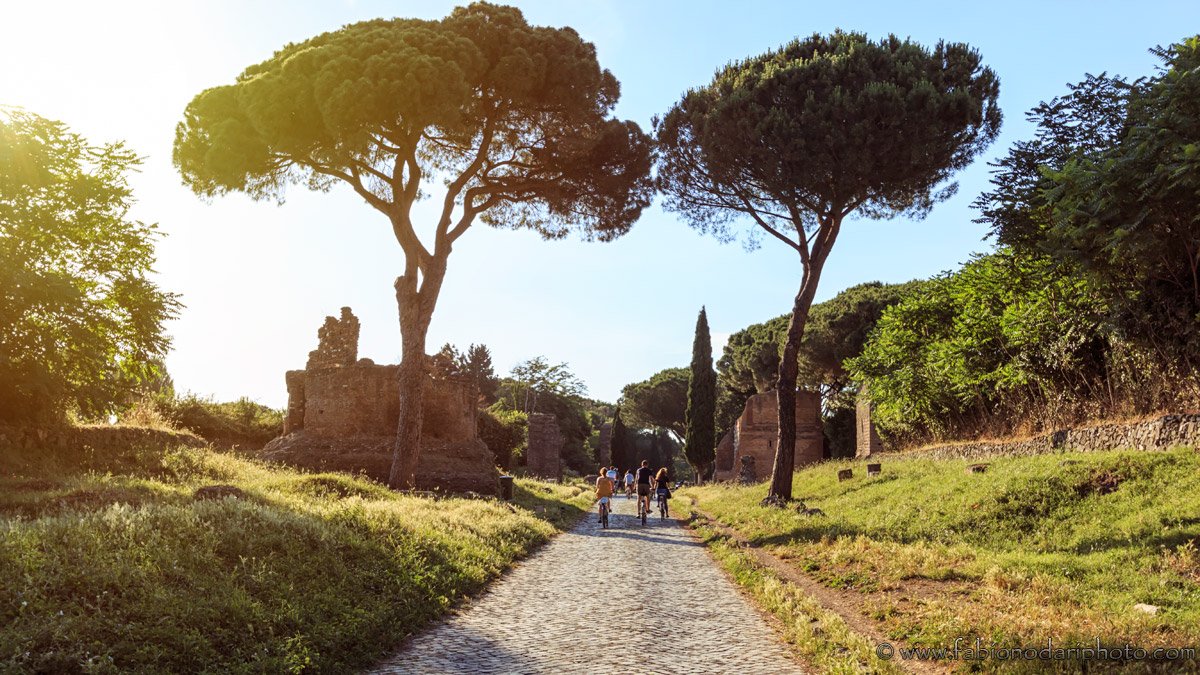
If your time in Rome is limited, you must find a hotel in the center. Prices are indeed higher, but at least you’ll save some time. Fortunately, almost all the main monuments are in the center, and you can easily reach them on foot. I often use Booking.com, but you can also find some good deals on Trip.com.
If you stay in a hotel far from the center, remember that public transportation is not very efficient. I have had to wait more than 30 minutes for the buses, which has happened more than once. Sadly, Rome is very poorly managed in this regard.
As usual in major Italian cities, watch out for pickpockets, especially in the subway.
Best Time to Visit Rome

I cannot stress this enough: choose the right time to visit Rome. Summer can be extremely hot, and the lack of air conditioning in Italy can make your stay very challenging.
- Spring (March to May) is my favorite. The weather is mild and the city isn’t yet crowded with peak summer tourists. In early spring, it can rain quite a lot.
- Summer (June to August) is hot and crowded. If you don’t mind the heat, the long days are great for early morning sightseeing and late-night strolls, but be ready for lines at major attractions and higher prices for accommodations.
- Autumn (September to November) is another good choice. Temperatures are still comfortable, there are fewer tourists, and it is ideal for photography. The closer you get to winter, the more likely you’ll be to catch rainy days.
- Winter (December to February) is quieter and often more affordable. It can be surprisingly cold on some days, but the festive decorations around Christmas give the city a unique charm.
Day one: Ancient Rome and the Historic Heart
9:00 – 11:30 | Colosseum, Roman Forum & Palatine Hill
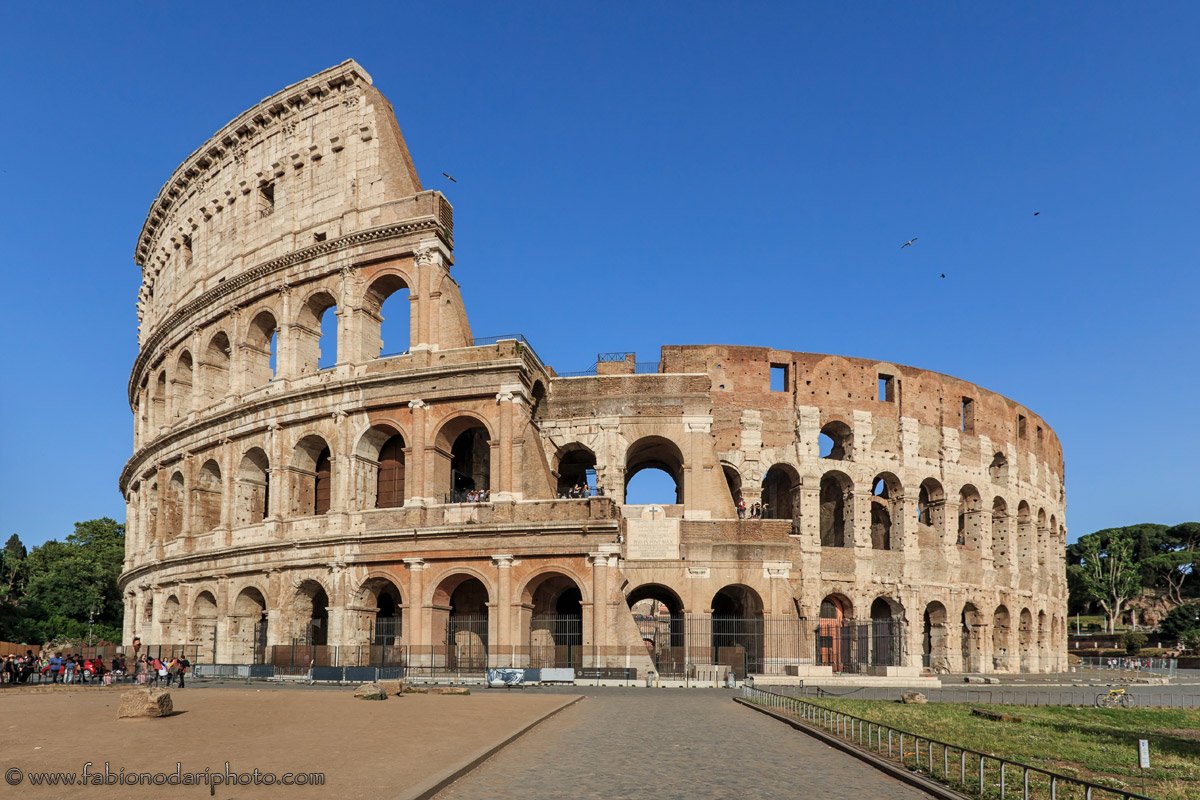

This is the symbol of Rome. Originally known as Amphitheatrum Flavium, it’s the largest amphitheater in the world. It could hold up to 75,000 people and was the most important Roman amphitheater.
If you start here early, you’ll beat some of the crowds and enjoy the monument in softer morning light. Remember to book your Colosseum ticket in advance with a specific slot. Once inside, you can include the Roman Forum and Palatine Hill in the same ticket.
I think this is one of the most beautiful places in Rome. The Imperial Fora are a series of monumental squares built over a century and a half (between 46 BC and 113 AD) in the city’s heart by different emperors.
11:30 – 12:30 | Lunch Around Monti
This part of town has a few trattorie and enoteche where you can slow down over a plate of pasta or pizza al taglio and a glass of wine. A good lunch at this hour recharges you nicely before an afternoon of wandering.
12:30 – 14:00 | Piazza Venezia, Altare della Patria & Via dei Fori Imperiali
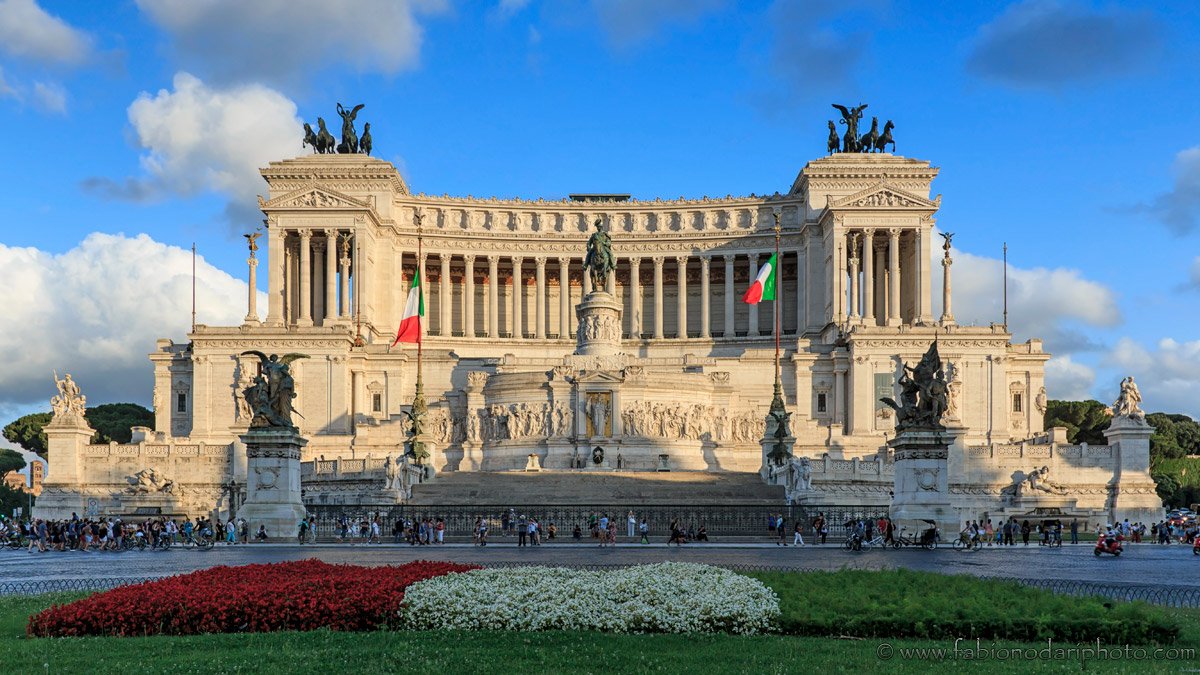
A short stroll from the Roman Forum down Via dei Fori Imperiali brings you right to Piazza Venezia. This broad road gives you that thrilling sense of context in Rome, layers of history on both sides as you walk toward the next piazza. Altare della Patria, also called Vittoriano, was built in 1885 and was completed by King Victor Emmanuel II of Savoy, to whom the monument is dedicated.
14:00 – 15:00 | Piazza Navona & Surroundings

From Piazza Venezia, head towards Piazza Navona, one of my favourite squares in Rome. The fountains and baroque façades are incredible, and this place feels like Rome more than most others.
During the Roman Empire, Piazza Navona was called the Stadium of Domitian. In the third century, it was renewed by Alexander Severus. The stadium measured 276 meters in length and 106 meters in width, and could hold up to 30,000 spectators. In ancient times, the arena could even be artificially flooded.
Stop for an espresso and spend a few minutes there before moving on to the next place.
15:00 – 16:00 | Pantheon & Piazza della Rotonda

It was built as a temple dedicated to all past, present, and future deities in 27 BC by Marco Vipsanio Agrippa, son-in-law of Augustus. At the beginning of the seventh century, the Pantheon was converted into a Christian basilica (with the edict of Constantinople) called Santa Maria della Rotonda, which allowed it to survive almost intact the spoliation inflicted by the popes on the buildings of classical Rome.
Stop at Piazza della Rotonda to absorb its atmosphere and the elegant fountain.
16:00 – 17:00 | Trevi Fountain
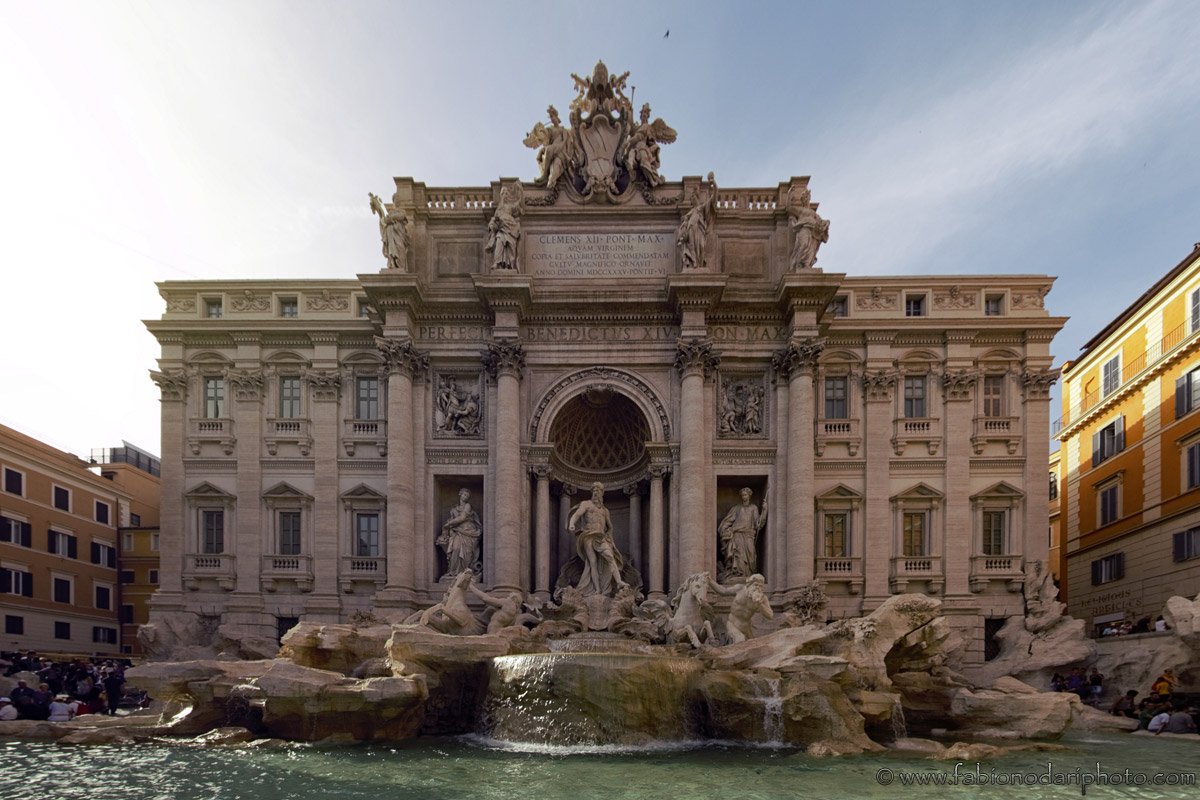
When you see the Trevi Fountain for the first time, you might be disappointed because it feels smaller than expected. In reality, the fountain itself is large; it is the square around it that is tiny. Either way, expect crowds. You will probably need to queue for a while if you want to get close to the water.
Ending the afternoon here feels very Roman. Toss a coin into the Trevi Fountain and, according to the legend, you will return to Rome one day. Due to recent changes, visitors now pay a small fee of around €2 to access the steps during daytime hours.
17:00 – 19:00 | Spanish Steps & Sunset Stroll

Piazza di Spagna (it used to be called Piazza di Francia), with its famous stairs called Scalinata di Trinità dei Monti, is one of the most iconic places in Rome.
This square gets its name from the Spanish Palace seat of the Embassy of Spain among the Holy See. Pope Benedict XIII inaugurated the imposing 135-step staircase during the 1725 Jubilee; it was built (thanks to French loans granted in 1721-1725) to connect the Bourbon Spanish embassy (from which the square takes its name) to the Church of Trinità dei Monti. The steps are a good place to rest if you are tired.
If you want, you can stroll along Via Condotti and Piazza del Popolo for a gelato or an apertivo.
19:00 Onward | Dinner in Trastevere
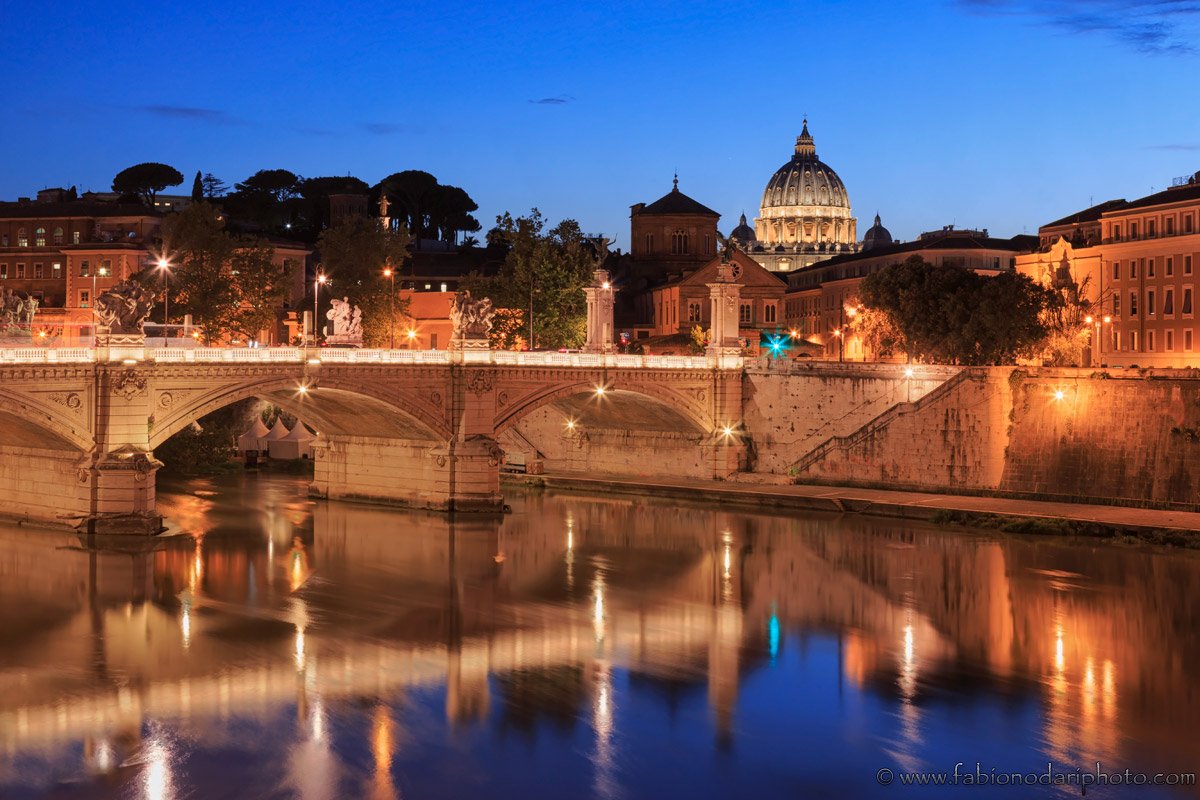
I think Trastevere is the perfect place to end your first evening. If you come around sunset, you’ll also be able to take some nice pictures of the lights being turned on during the blue hour. People don’t come here for a specific attraction, but to sit down for dinner, order something simple, maybe a glass of wine, and end the day.
Day 2: Vatican City to the Classic Sights
8:30 – 12:30 | Vatican Museums, Sistine Chapel & St. Peter’s Basilica
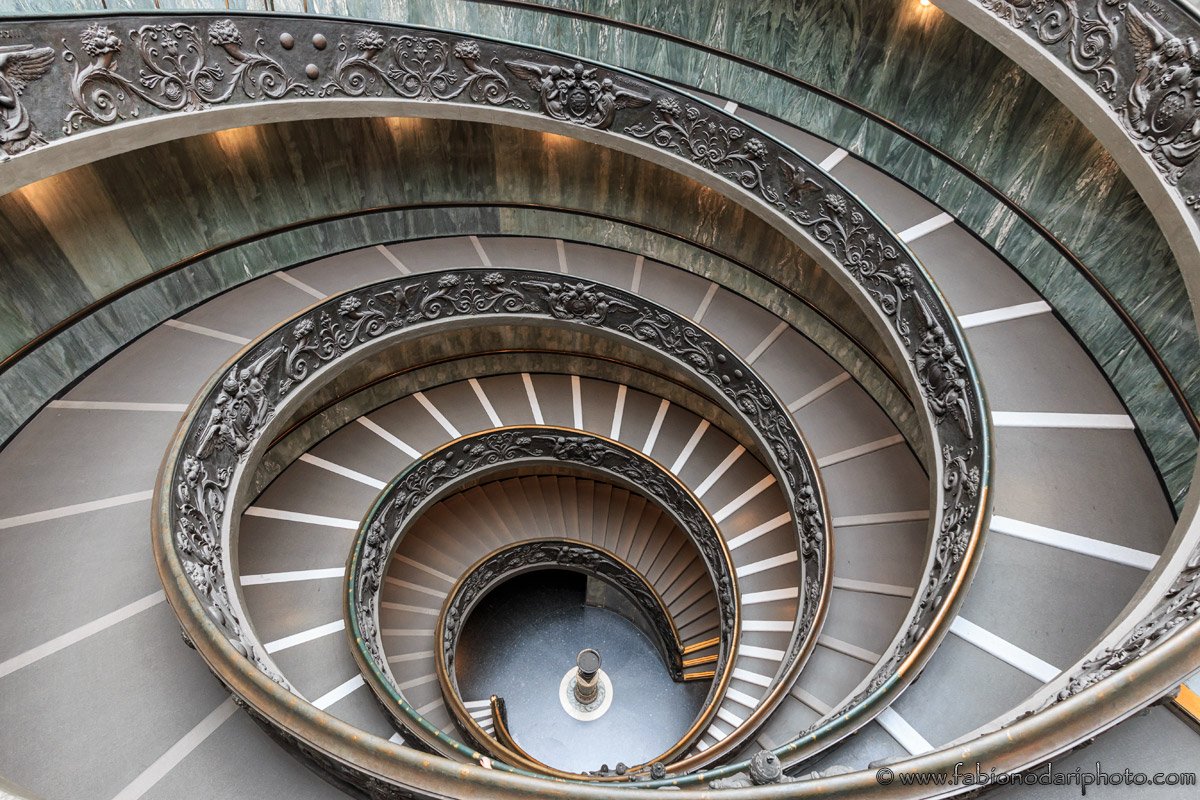
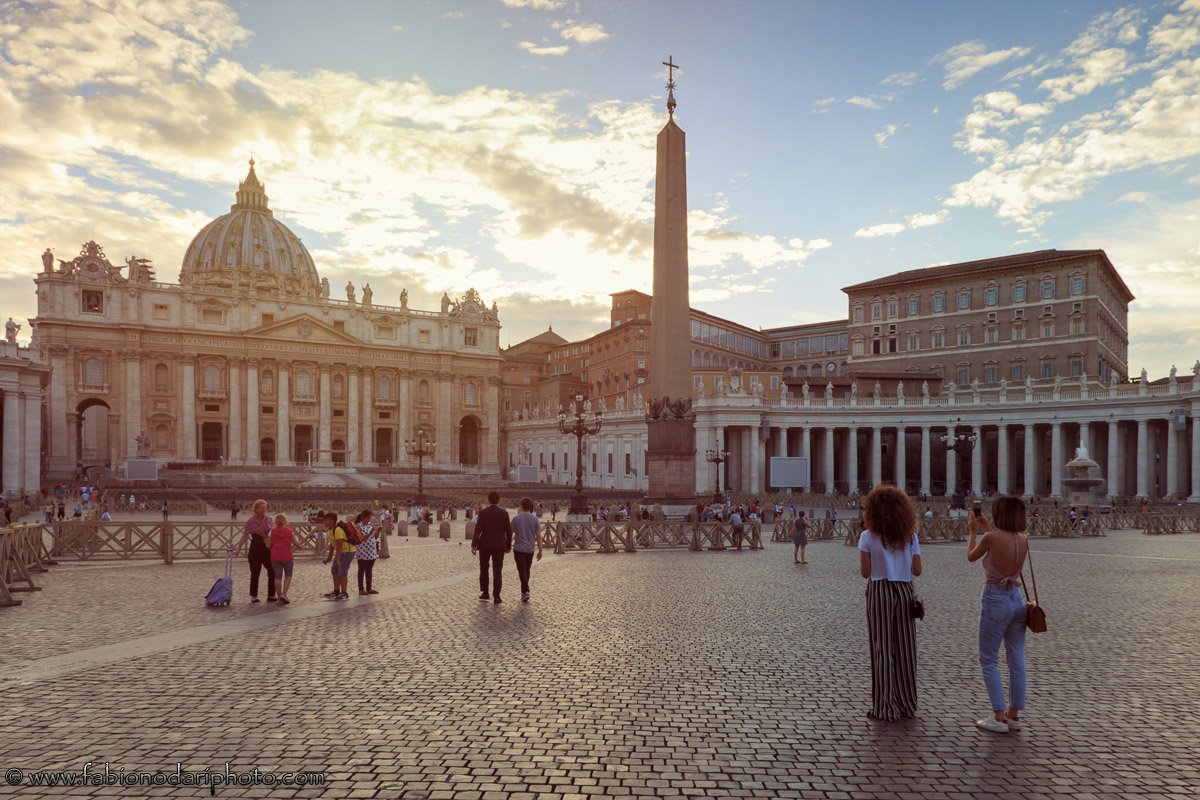
I can’t stress this enough: start early at the Vatican. Booking your Vatican Museums ticket with a timed entry first thing in the morning gives you far more calm space to appreciate the galleries, the Sistine Chapel, and later St. Peter’s Basilica. I suggest you check the closing days to avoid bad surprises.
Depending on your pace, you’ll spend most of the morning here, and you can even climb the dome of St. Peter’s for a panoramic view over the city if you fancy it.
12:30 – 13:30 | Lunch near Borgo Pio
After a long morning exploring some of the most beautiful pieces of art in the world, you can explore the little streets around Borgo Pio, between the Vatican and the Tiber River, which are perfect lunch spots.
13:30 – 15:00 | Stroll Along the Tiber & Castel Sant’Angelo

After lunch, you can walk along the river toward Castel Sant’Angelo, where views across the Tiber and back to St. Peter’s are beautiful. It’s a relaxed way to see another side of the city and catch a few more photos.
15:00 – 17:00 | Piazza del Popolo, Villa Borghese Gardens & Terrazza del Pincio

From Castel Sant’Angelo, head up toward Piazza del Popolo, a grand space framed by twin churches and a great gateway into Rome’s elegant northern quarter. If you want one of the best views over Piazza del Popolo, walk across the square and climb the steps up to the Terrazza del Pincio, inside the Villa Borghese Gardens.
17:00 – 19:00 | Aperitivo and Farewell Sunset
You can end your two days in Rome with an aperitivo somewhere overlooking the city: the rooftop bars near Piazza Navona or the Pincio Terrace above Piazza del Popolo. You can sip a spritz, watch the colours change in the sky, and enjoy the eternal city before you head back to your hotel.
These are some things to see and do if you only have two days to spend in Rome. If you still have time or decide to skip someplace mentioned in this article, I recommend visiting the Catacombs of San Callisto. The visit does not last long (about half an hour), but it’s extremely interesting. Remember to book the tour in advance.
Here are more pictures I took on my trip. Here are some tips for visiting Rome on a low budget.


