
Dashanbao (大山包) is a remote place in China in the Southern Province of Yunnan. Find out why it is worth a visit and what are some things to do and see.
If you have never heard of the natural reserve of Dashanbao (大山包), don’t worry, you are not alone. Just type “Dashanbao” into Google and you’ll quickly notice that there are only a handful of results. This is quite unusual in today’s world, where almost every corner of the planet seems to be photographed, blogged about, and endlessly promoted online.
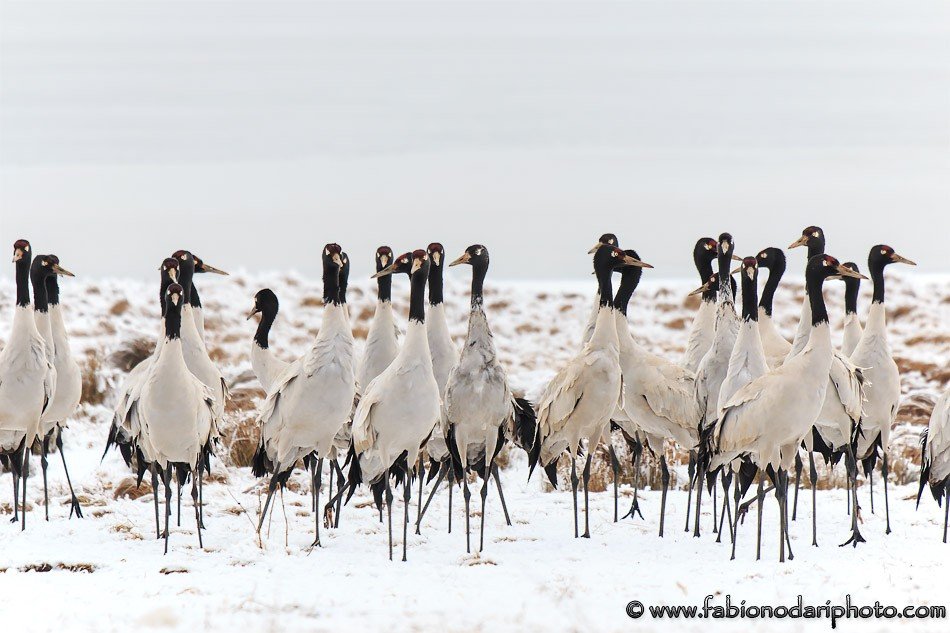
Dashanbao is one of those rare places that has somehow slipped under the radar of mainstream tourism, even though it holds national-level protection and is known among birdwatchers as one of the most important wintering sites of the black-necked crane.
Because it hasn’t yet been turned into a heavily marketed destination, visiting Dashanbao feels very different compared to more famous reserves in China.
Where is Dashanbao (大山包), and why should you go
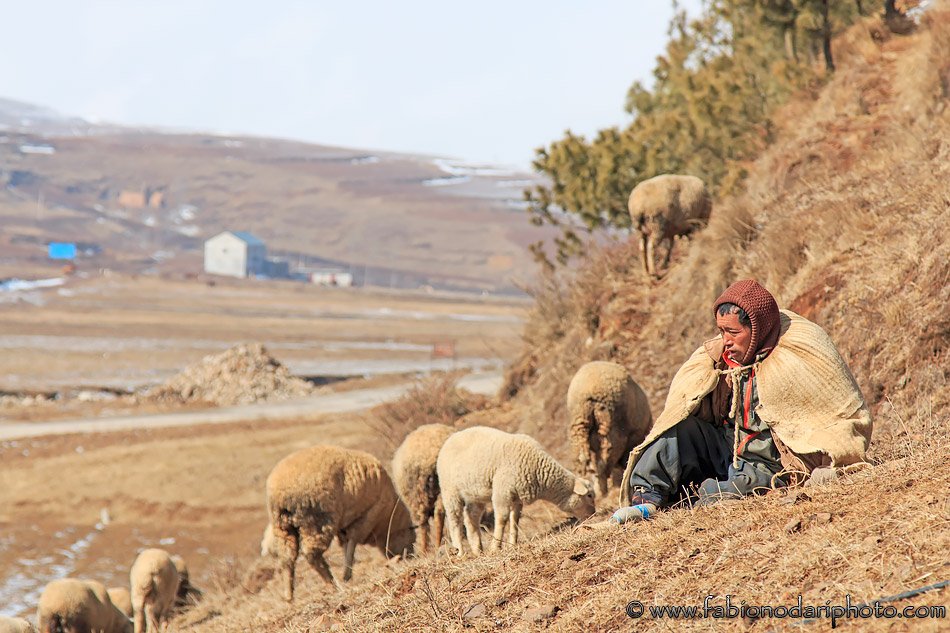
Dashanbao is located in Yunnan Province, probably the most beautiful in China in terms of landscapes, and certainly one of the provinces with the most incredible variety of ethnic minorities.
Yunnan (here’s my guide) is quite popular with tourists, but most of them stop in Dali, Lijiang, or Shangri-La. Almost no one, however (apart from a few Chinese visitors), explores the northeastern part of Yunnan. The reasons are several: it’s not well promoted, it’s not easy to reach compared to the other areas, and there aren’t many good facilities equipped to accommodate foreign tourists.
Almost no one, however (apart from a few Chinese visitors), explores the northeastern area of Yunnan. The reasons are several: it’s not well promoted, it’s not easy to get there, and there aren’t many facilities equipped to accommodate foreign tourists.
Despite these difficulties, I must say that those who go this far will not be disappointed. The landscapes are truly majestic, and despite being over 3000 meters, the climate is not as cold as expected. The Dashanbao area is a vast plateau with several wetlands. The average temperature throughout the year is 6.2 °C. So if you don’t like the humid heat typical of Asia, you will have no problem here.
Another good reason to visit Dashanbao is to see the rare Black-necked crane. Only about 6000 of them are left in the world, and from around October to March, they spend the winter on this plateau.
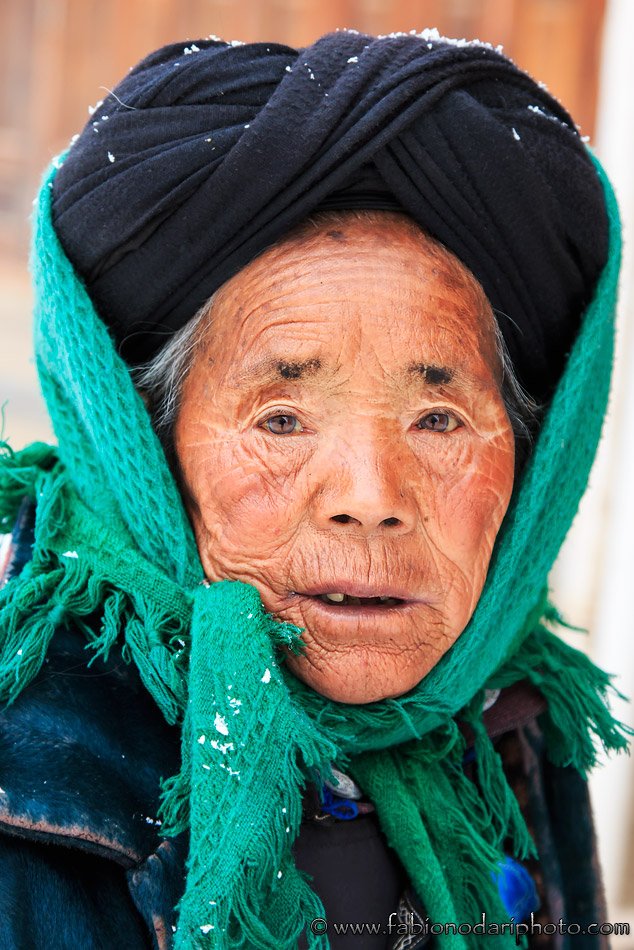
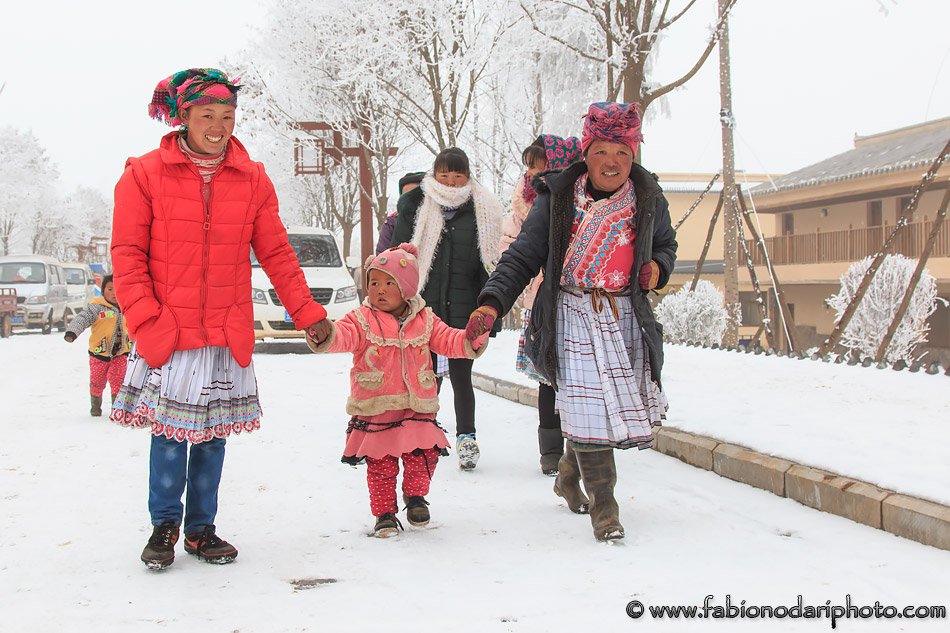
Finally, I must say that the people are welcoming. Communicating is difficult since many speak only local dialects in many remote areas of Yunnan. However, you will have a way to make friends or at least try to interact with someone local: Chinese people are very curious, and it is not every day in this area that they see a Laowai (a foreigner).
If you spend some time walking the streets of this plateau, you’ll soon cross paths with herders who still follow the rhythm of the seasons as their ancestors did. Women carry wicker baskets on their backs, walking long distances every day to reach the nearest village for supplies, while children play in open fields. Visiting this remote area gives you a glimpse of a way of life that is disappearing fast in China.
How to get to Dashanbao
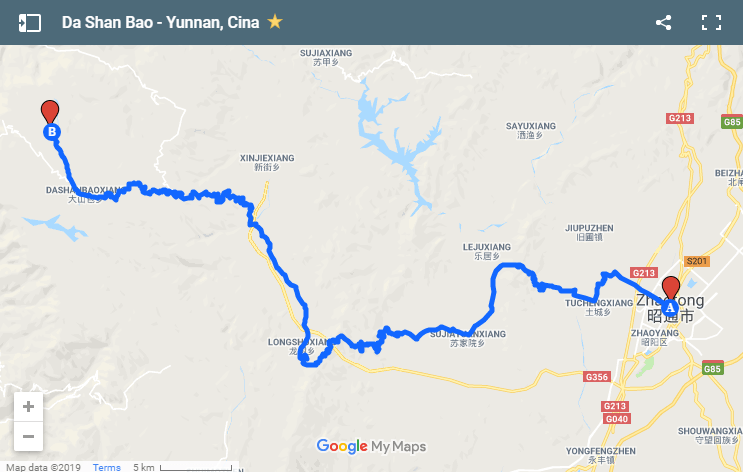
Reaching Dashanbao is not as straightforward as other well-known destinations in Yunnan, and that’s probably one of the reasons why it has stayed off the radar.
The most practical option is to first travel to Zhaotong. From Kunming, you can either fly (about 40 minutes) or take a long-distance bus, which usually takes 7 to 8 hours. Once in Zhaotong, Dashanbao is still around 80 kilometers away. You can hire a private car or take a local bus to the reserve. Buses are not frequent, so arranging a driver is definitely the best solution. Send me a DM on Instagram if you need recommendations for a local driver.
Before heading to Dashanbao, I suggest you rest for one night in Zhaotong if you are coming from a long trip. You can find a hotel on Trip.com. Then, in the morning, you can head to Dashanbao. Two days in the plateau should be enough for most people.
If you are looking for some other ideas for your Yunnan itinerary, check out this page.
When is the best time to visit
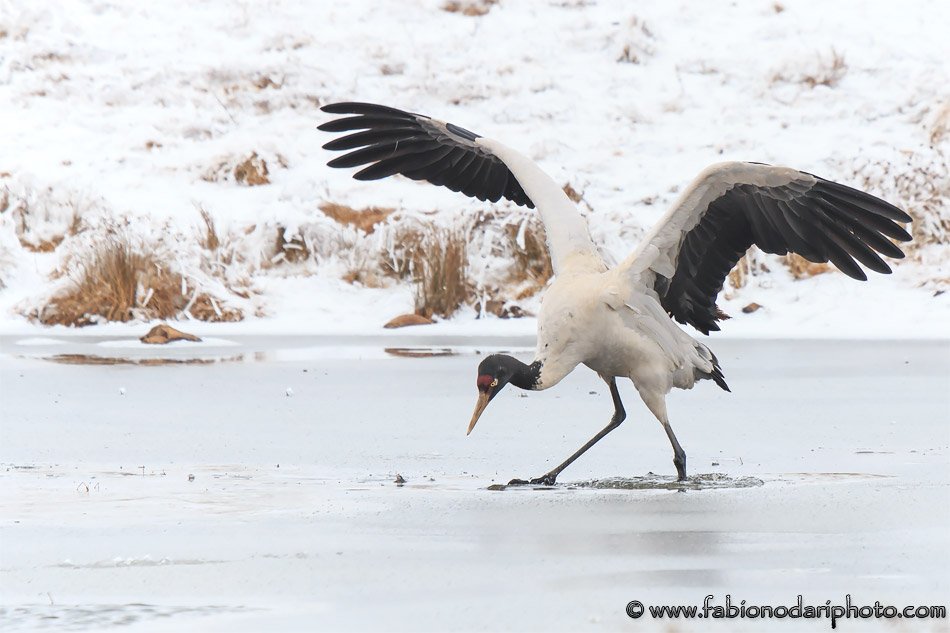
The highlight of Dashanbao is, without doubt, the black-necked cranes. These endangered birds arrive from the Tibetan Plateau at the end of October and stay until March. Winter is the prime season to watch them, especially after a snowfall, when the contrast of their black and white feathers against the frozen wetlands is striking. Early mornings and late afternoons are the best times of day, when the light is soft and the cranes are most active.
From May to October, the reserve shows an entirely different face. The snow melts, the meadows turn green, and wildflowers cover the grasslands. This is the best window for hiking and landscape photography, with long days and more comfortable temperatures. July and August are the rainiest months, so expect sudden showers and muddy trails. I don’t recommend visiting during those months.
In short, winter is for birdwatchers and photographers who don’t mind the cold, while late spring and autumn are better if you want to explore the landscapes and enjoy outdoor activities. Each season has its pros and cons, so it really depends on what you are looking for.
Jigong Mountain Grand Canyon (鸡公山大峡谷)
With a vertical drop of around 2,500 meters, this canyon is one of the deepest in China, and it really is impressive. Standing at the edge and looking down at the Niulan River so far below is a dizzying experience that makes you realize the scale of the landscape. The cliffs stretch for kilometers, carved over time by the river, and from certain viewpoints, you can clearly see how the valley cuts deep into the plateau.
Because of the high elevation, often above 3,000 meters, the canyon regularly fills with clouds. Early in the morning, you’ll see a sea of mist rolling through the gorge, hiding and revealing the ridges as it moves. By evening, the sunsets can be spectacular, with the whole sky and cloud ocean turning golden and pink. If you are into photography, this is the perfect place to set up your tripod or fly your drone.
One thing that makes this place stand out is its wingsuit base. This is the only dedicated training base in Asia, built right on the cliffs at over 3,200 meters. The geography is perfect, with steep drops and deep ravines that make it a dream route for professional flyers.
The Black-Necked Crane
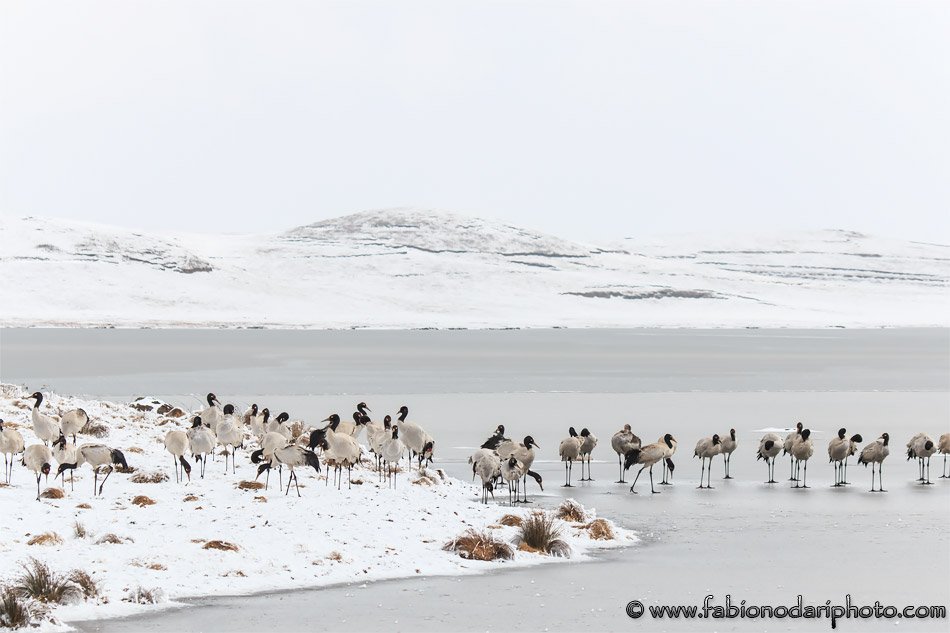
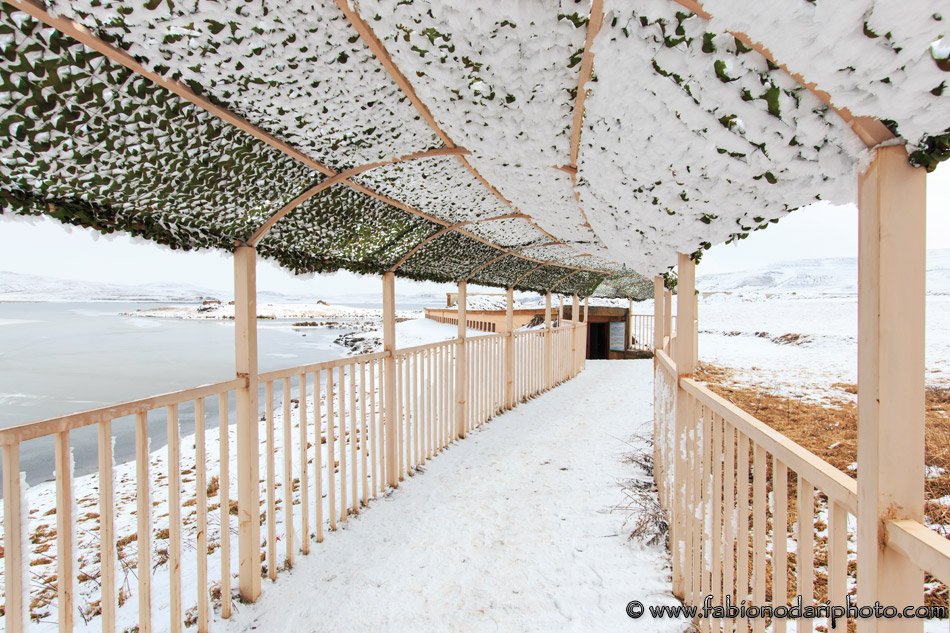
If you are passionate about wildlife photography, Dashanbao is truly a paradise. Besides the incredible landscapes, this is one of the few places in the world where you can photograph black-necked cranes up close.
The park has a well-designed observation hide that allows you to take photos without being seen by the birds. Of course, you will need a good lens, ideally a zoom, so that you can adjust the focal length depending on the distance of your subject.
Tiaodun Lake 跳墩湖 & Xianrentian Grassland 仙人田草原
Tiaodun Lake is one of the wetlands where the black-necked cranes spend their winter. If you come between late October and March, there’s a good chance you’ll see them feeding along the shore or resting on the frozen water. It’s quieter than the main viewing area, so if you want more space for your camera, this is a great option.
A short ride away is Xianrentian Grassland, which lives up to its name, “the fairy fields.” It’s a broad plateau covered with grass in summer, dotted with small alpine lakes and grazing cattle and horses. From July to September, the wildflowers bloom and the whole meadow becomes a carpet of colors.
Final thoughts
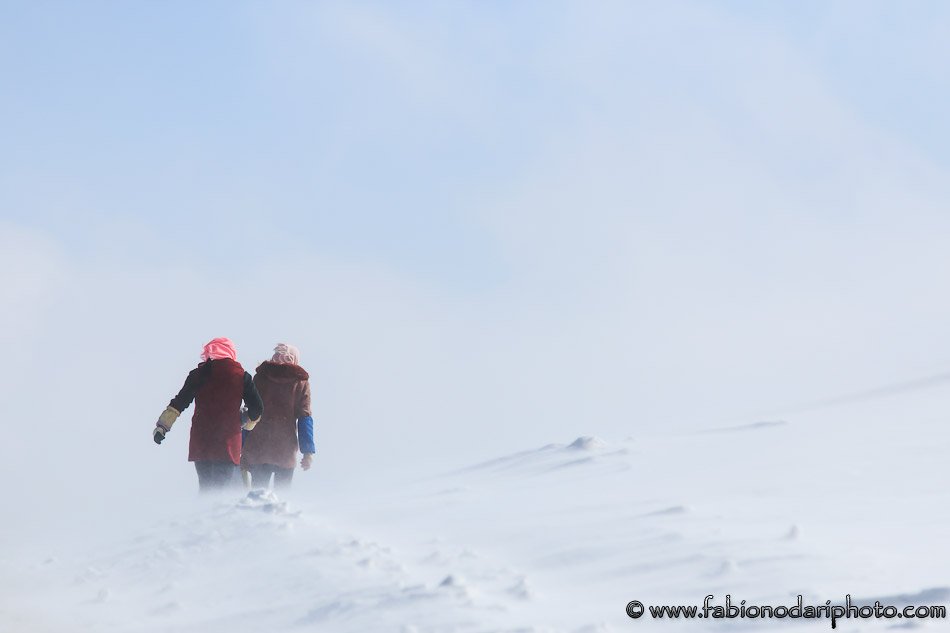
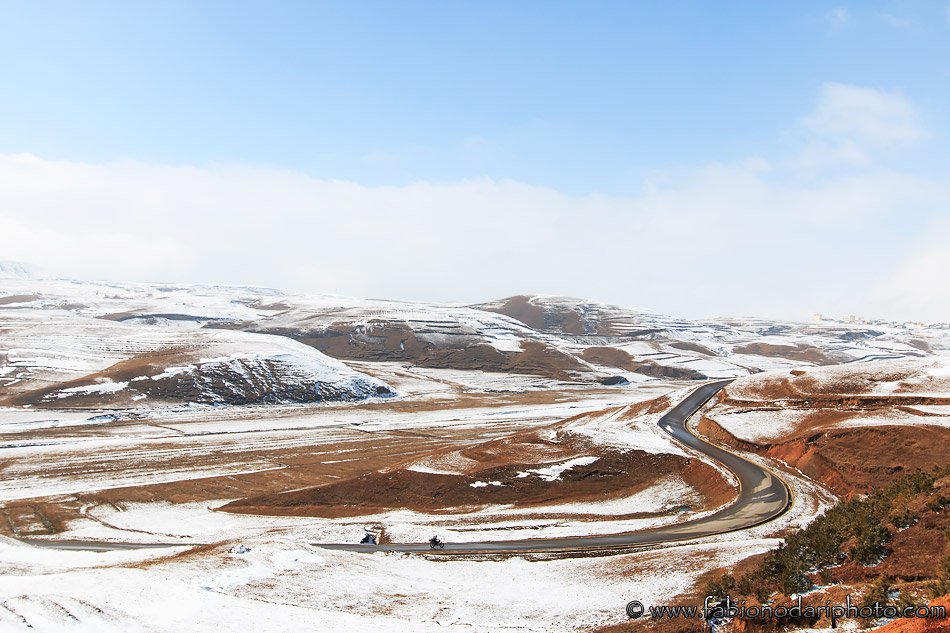
Dashanbao is a great place for photography, hiking, and relaxing. But this is the place to go, even if you only want to see a different side of China, which is rarely mentioned in Western mass media.
This destination is not for everyone: it’s hard to get there, and there are no 5-star hotels, but if you can sacrifice your comforts, you will be rewarded by the beauty of this plateau.
Remember that in China, most websites are blocked. You can use this VPN to avoid censorship. If you need an eSIM, I recommend this one. If you need a travel insurance, this is a good one.
You can find my travel guide about Dongchuan, not far from Kunming. Another hidden gem in Yunnan is Shaxi Old Town. Here is a post about the Jiuxiang caves always in Yunnan.


Well worth the effort unspoilt places in China are harder and harder to find . Couple of suggestions for onward travel from Zhaotong;
1. South into Guizhou a couple of hours away is Caohai草海with the area around the lake also the wintering place for Cranes etc . Stay in the old town 老城(old as in 70s/80s) take a bus to the lake and you should find a guide easily enough . Mine took me to where we got within about 30metres of a group of cranes cost me 100 yuan for 2 hours well worth it and I am
not a bird watcher .The train carries on to join the main Kunming Guiyang line at Liupanshui六盘水and you are near Anshan安顺which is worth a visit
2.Head north in to Sichuan there is only one very slow train a day so buses will be a faster option. It’s a very mixed area with coal and iron mining ,terrible pollution but then some unspoilt countryside. I can recommend the Southern Sichuan Bamboo sea 蜀南竹海。A small National Park ideal for a few days relaxing you stay with a family and enjoy organic food .Also worth a trip is Luobiao洛表which has remains of the Bo peoples hanging coffins , very atmospheric.After this either continue into Southern Sichuan (Zigong自贡is a favourite of mine ) or south east into Guizhou Bijie毕节which has good transport connections .
As always the rewards for getting off the beaten track are very high . People are very friendly and helpful couldn’t be more different to us British !
Thanks Steve, really appreciate your insightful comment. Liupanshui is definitely on my radar, same for Anshun. Hope to visit them sometime in the future. And yes, you are 100% right: getting off the beaten path is totally rewarding.