
Planning a trip to Shenzhen? Learn the best time to visit, top attractions, local food, and practical travel tips in this complete city-wide guide.

Visiting Shenzhen (深圳) feels like stepping into the future while still being rooted in Chinese culture. Unlike other Chinese cities that carry centuries of history, Shenzhen is unapologetically modern. Until the late 1970s, it was a small Chinese town bordering Hong Kong with fewer than 300,000 inhabitants. In 1979, the Chinese government decided to start an experiment and declared Shenzhen the country’s first Special Economic Zone (or SEZ). The plan was clearly to rival the economic power of Hong Kong (here my guide) by undertaking a series of reforms without destabilizing the political and social system in the rest of China.
What are the results after about 40 years? The metropolitan area has over 18 million inhabitants, it’s home to one of China’s three Stock Exchange Markets (the other two are in Hong Kong and Shanghai), and it’s known as China’s Silicon Valley because of the many high-tech companies that are headquartered there.
The city has also invested heavily in public spaces that make it surprisingly walkable. Unlike Beijing or Shanghai, Shenzhen feels less crowded, which makes exploring it more enjoyable.
Shenzhen’s rapid growth hasn’t come without drawbacks. It’s now one of the most expensive cities in China, and the city’s booming tech industry has created hundreds of thousands of jobs, but working conditions are often far from ideal.
In many ways, Shenzhen is the perfect reflection of what modern China has become: innovative, fast-moving, and constantly evolving.
Best Time to Visit
Shenzhen has a subtropical climate, hot, humid, and a lot of rain in summer, and relatively mild in winter. The best time to visit is October to December, when temperatures are comfortable, and the humidity is lower. Spring, around March to May, is also ok, though it can rain quite a bit. Summer is not great due to the heat and typhoon season.
How to get to Shenzhen, how to get around, and where to stay
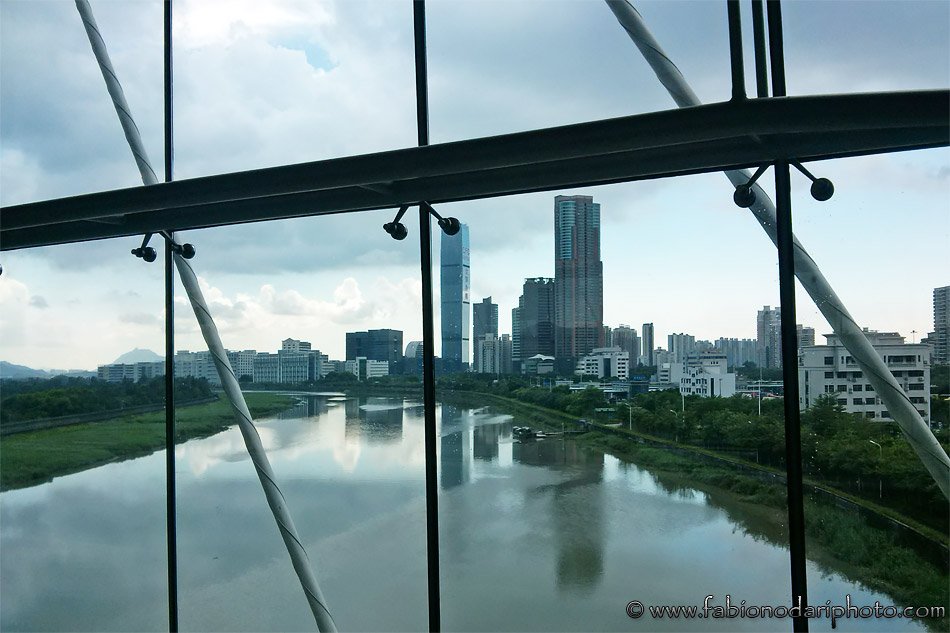
As you can imagine, this city is very well connected to the rest of the country. There is an international airport and many train stations. As always in China, I recommend booking your flight and train tickets with Trip.
If you’re coming from (or heading to) Hong Kong, getting to Shenzhen is quite straightforward. You can take the MTR to Lok Ma Chau or Lo Wu, cross the border on foot via the connecting bridge, and then hop on the Shenzhen Metro to reach the city center. Since 2019, however, Hong Kong has also been linked to the mainland by high-speed rail, making the trip from West Kowloon Station to Shenzhen in just about 20 minutes. This is by far the most convenient option for a quick transfer between the two cities.
You can also travel from Hong Kong to Shenzhen by ferry. The most common routes are from the Hong Kong Macau Ferry Terminal in Sheung Wan to the Shekou Cruise Center in Nanshan District, and from Hong Kong International Airport (SkyPier) to Shekou Cruise Center. There’s also a route from SkyPier to Fuyong Port, located near Shenzhen Bao’an Airport, which is convenient for passengers connecting to flights. The journey usually takes between 30 and 60 minutes.
Getting around in Shenzhen is easy. Like all Chinese cities, taxis (Didi) are relatively cheap. The other option is the subway or public buses. As far as accommodation, I recommend staying in the Luohu or Futian districts.
What to do in Shenzhen

Most of the attractions in Shenzhen reflect its modern identity rather than a traditional or historical one. You will quickly find that many activities revolve around exploring impressive urban landmarks and beautifully designed parks that offer a balance between green space and city life.
Ping An Finance Center (平安金融中心): This skyscraper dominates the city skyline and is one of the tallest buildings in the world. The observation deck offers panoramic views that give you a sense of Shenzhen’s scale and rapid development. To get here, take Metro Line 1 to Lianhua North Station, then take a short walk.
Shenzhen Museum (深圳博物馆): This museum shows Shenzhen’s transformation from a village to a global tech hub. Temporary exhibitions often focus on tech and urban development. You can reach it via Metro Line 1 to Civic Center Station.
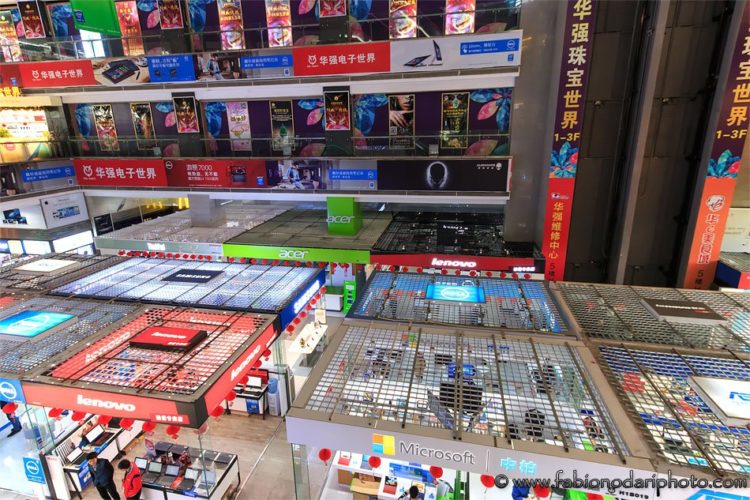
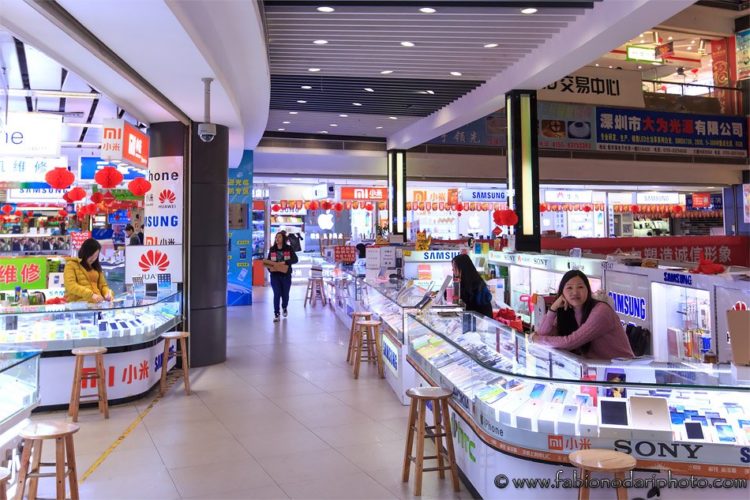
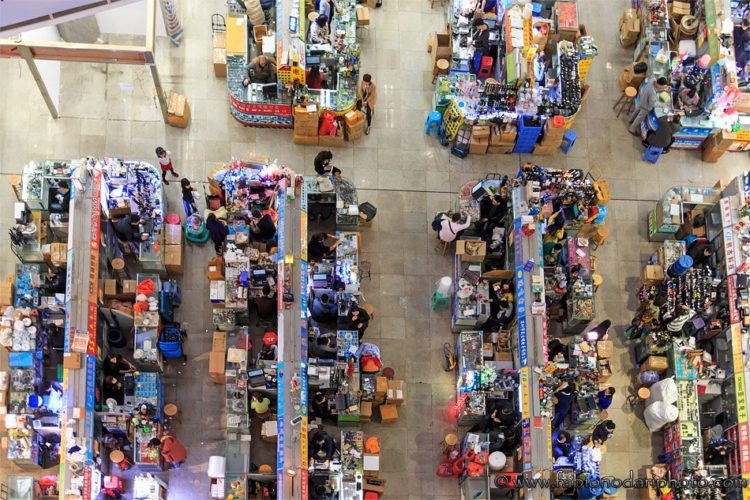
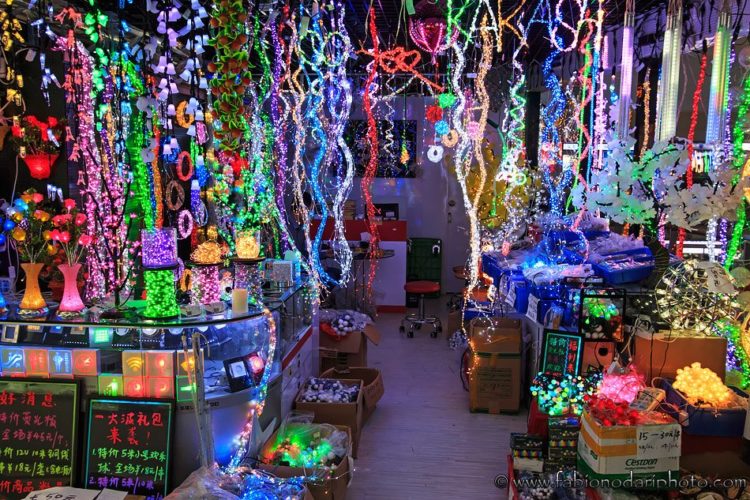
Huaqiangbei Electronics Market (华强北): The largest electronics market in the world, it’s a great place to spend a few hours even if you’re not buying anything. You’ll see smartphones, components, and niche tech products. To reach it, take Metro Line 1 to Huaqiang Road Station. Prepare for a maze-like experience: if you don’t plan your route, it’s easy to get lost, but exploring slowly is part of the fun.
Window of the World (世界之窗): It’s one of Shenzhen’s most popular theme parks, famous for its miniature replicas of landmarks from around the globe. Located in the Nanshan District, it features over 130 attractions representing more than 50 countries, including the Eiffel Tower, the Pyramids of Egypt, and the Taj Mahal. Take Metro Line 1 to Window of the World Station. If you can go during the week and avoid the weekends.
Dameisha Beach (大梅沙海滨公园): One of the largest and most popular beaches in Shenzhen, it stretches about 1.8 kilometers. It features sandy shores, public facilities including toilets and lockers, and is a popular spot for swimming. To get there, take Metro Line 2 to Yantian Road Station, then bus No. 3, 308, 387, M465, B961, or a taxi directly to the beach. The trip takes about 40 to 60 minutes from the city center.
Xiaomeisha Beach (小梅沙海滨公园): East of Dameisha in the same district, is surrounded by mountains on three sides and faces the sea, offering a more natural environment. Known as “Oriental Hawaii,” it features family-friendly attractions like Xiaomeisha Ocean World. Xiaomeisha charges an entrance fee and is generally less crowded. To reach Xiaomeisha, take Metro Line 2 or Line 8 to Xiaomeisha Station, then bus No. 4, 307, 387, M438, or a taxi to the beach and nearby resort.
Lianhuashan Park (莲花山公园): A massive city park with walking trails and a hilltop that provides great views over downtown Shenzhen. If you come early in the morning, you’ll see locals practicing tai chi. Take Metro Line 3 to Lianhua North Station and walk through the park entrance. If you want photos of the skyline, I recommend climbing the hill just before sunset.

Shenzhen Civic Center and Concert Hall (市民中心): Located in the heart of the Futian District, it is an impressive government building with a distinct curved-wing roof inspired by a mythical bird, a symbol of Shenzhen. It also hosts a museum and is a popular spot for viewing the city’s spectacular evening light shows. Right next door, the Shenzhen Concert Hall and Library form a significant cultural hub. This area is easily accessible via Metro Line 1 or Line 4 to Civic Center Station.
OCT Loft Creative Culture Park (华侨城创意文化园): A former industrial zone turned arts hub with galleries, cafés, and design shops. It’s a good example of Shenzhen’s creative growth beyond tech. Reach it via Metro Line 1 to Qiaocheng East Station, then a short walk. I find weekdays quieter for wandering through galleries and taking photos.
Shenzhen Bay Park (深圳湾公园): Stretching along the coastline between Nanshan and Futian districts, this is a scenic seaside promenade perfect for cycling, jogging, or simply enjoying sunset views over the bay and Hong Kong’s skyline. The park is divided into several themed zones, with mangroves, sculptures, and observation decks scattered throughout. To reach it, take Metro Line 9 to Shenzhen Bay Park Station and exit from Exit D, then walk about 10 minutes toward the waterfront.

Shekou Sea World (蛇口海上世界): Shekou Sea World is an entertainment and dining area built around a permanently docked ship that now houses restaurants and shops. The plaza comes alive at night with light shows and live music. It’s one of the best spots in Shenzhen for dining al fresco or enjoying a drink with friends. To get there, take Metro Line 2 or Line 12 to Sea World Station and exit directly into the plaza via Exit D.
Nanshan Mountain (南山): This is a popular hiking spot offering panoramic views of Shenzhen Bay and the surrounding city. The trails are well-maintained, and the climb takes about an hour to the top, where you’ll find a pavilion and lookout points. It’s a great escape from the urban environment without leaving the city. You can reach Nanshan Mountain by taking Metro Line 2 to Sea World Station, then walking or taking a short bus or taxi ride to the trailhead at Nanshan Park.
Dongmen Pedestrian Street (东门步行街): This is one of Shenzhen’s oldest and busiest shopping areas, combining modern fashion stores with traditional snack stalls and street food vendors. The area is particularly active in the evenings. You can find everything from affordable clothes to accessories and electronics. To get there, take Metro Line 1 or Line 3 to Laojie Station and use Exit A; you’ll step directly into the heart of Dongmen.
Local Culture and Food
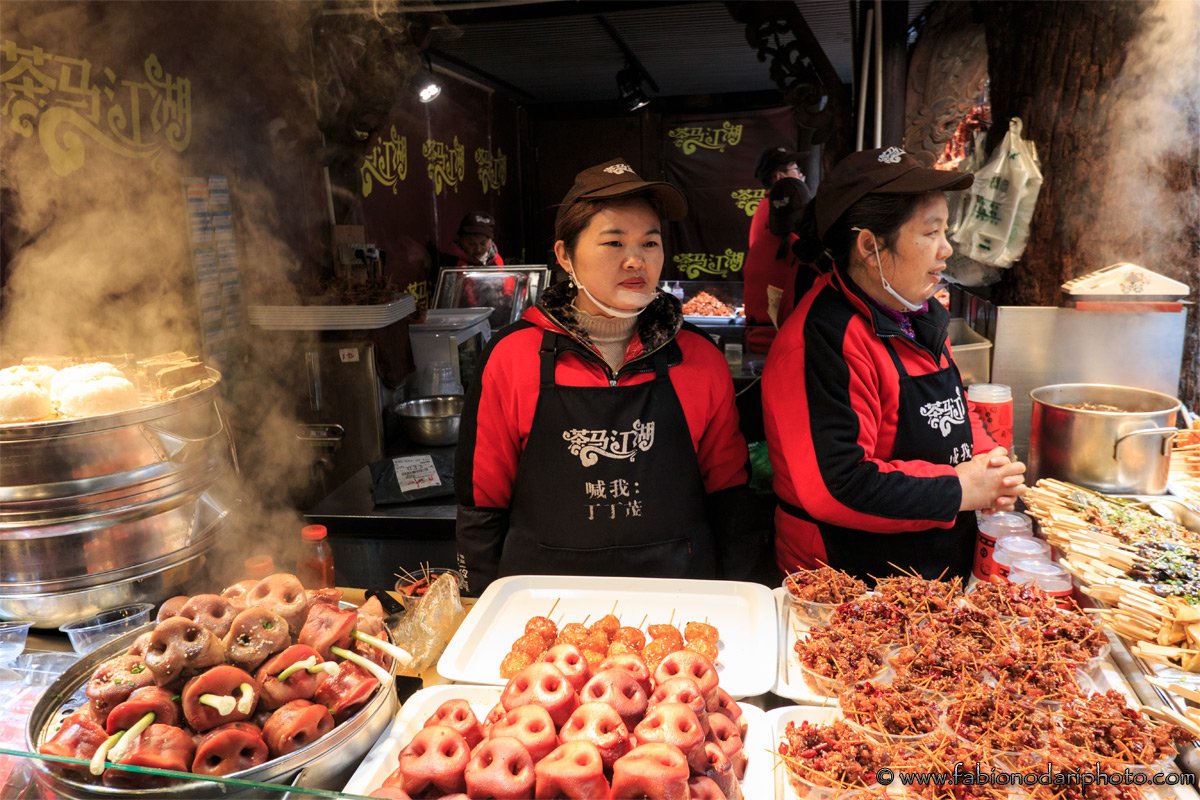
Shenzhen’s culture is shaped by its young, diverse, and fast-growing population. Unlike many other Chinese cities, it doesn’t have centuries of local traditions, but instead a modern identity driven by creativity and innovation. People from all over China have moved here for work, bringing their regional cuisines and customs with them, making Shenzhen one of the most culturally mixed cities in the country.
You’ll find everything from Cantonese and Hakka (here’s my Tulou travel guide) dishes to spicy Sichuan and hearty northern Chinese cuisine. Because the city is located in Guangdong Province, Cantonese food and dim sum are particularly popular. Early mornings or lunch hours are the best time to enjoy dim sum in small, family-run restaurants.
Seafood is also quite prominent in the local cuisine since Shenzhen is a coastal city. Many restaurants near the harbor areas (especially in neighborhoods like Shekou or Yantian) serve fresh catches daily, and some seafood markets let you pick your fish or shellfish to be cooked on the spot.
Final Thoughts

Shenzhen surprised me more than I expected. It’s not about ancient monuments or traditional experiences: it’s about energy, innovation, and contrast. You can wander among skyscrapers in the morning, relax in a park or at the beach in the afternoon, and enjoy seafood in the evening.
I think Shenzhen works best if you come with an open mind. Please don’t compare it to older Chinese cities: it has its own personality. Yes, it’s modern and fast, but if you look closely, there’s creativity, culture, and authentic local life.
For me, Shenzhen is a destination worth exploring on its own, especially if you’re curious about the future of China’s cities and want practical, enjoyable experiences without the heavy tourist traffic of other major cities.
As always, don’t forget to get a VPN before traveling to China. I recommend this one. If you prefer an eSIM, this is a great option. Finally, don’t forget to get a good travel insurance such as this one.
That is all. If you have questions or need a local guide, don’t hesitate to contact me on Instagram. Here you can find my China Travel Guide. Here is an article about crossing the border between China and Vietnam.


Very useful post, thank you. I want to see modern architecture and cityscape.
Thanks. Shenzhen is the perfect city for you then.
There are many of natural attractions in Shenzhen. I had been living for over 3 years there. I used to spend my weekends going to the beaches, waterfalls and the many parks they have in Shenzhen. All of those have easy access with public transportation.
Thanks for your feedback!
Top Man!
Geweldig om te lezen, ik kon er zelf inspiratie uit halen