
Planning a trip to Rome but on a tight budget? This travel guide will show you how to visit Rome without breaking the bank!

It’s always difficult to say which cities are the most beautiful in the world, but I must admit that Rome is in my top 3. Rome is a unique city with a long history, and I’m always happy to visit the Italian capital (here my travel guide).
It’s quite sad to see how, in the past few years, it has been poorly managed, but despite the problems of this city, Rome is still very beautiful. Since it’s so popular, this also means that it’s very crowded pretty much all year round. So visiting Rome can be expensive, especially if you have a family and children. So here you can find a few tips for visiting the Eternal Capital on a low budget.
Visiting Rome on a budget: how to get to Rome

If you live in Europe, you have the great advantage of being able to travel for less money. Europe has many low-cost airlines that have very low prices for many routes. These are some of the options you have:
Train: Booking your trip a bit in advance will help you find good deals to get to Rome by train. Many offers for Frecciarossa trains are only valid if you create an account on their website, and since it doesn’t cost you anything, I recommend you do so.
Car sharing is a great way to save money if you are traveling alone or as a couple. Several services allow you to find other passengers, and the most popular in Italy is BlaBlaCar.
Bus: Flixbus was not welcomed in Italy with open arms by the bus companies already working in the market, and it is easy to imagine the reason. The prices are very low, especially if you choose the nighttime route (which allows you to save one night in the hotel).
Airplane: If you live far away from Rome, perhaps none of the options mentioned is ok for you, and the only solution for getting to Rome is by airplane. Even in this case, however, subscribing to several websites of low-cost companies will help you to find the best deals.
How to get around

The most interesting areas are easily explored on foot, but for longer distances, you can rely on the metro or buses. The Tap & Go system is the most practical option: you’ll be charged €1.50 per ride, and if you travel frequently, the system automatically stops charging you once you hit the €8.50 threshold (the cost of a daily pass). It’s convenient because you don’t have to hunt for ticket counters, and it works great across buses, trams, and the metro.
If you prefer not to use contactless payments, TicketAppy and MooneyGo are the best apps for buying and activating tickets directly from your phone. Classic paper tickets are still available, but honestly, chasing them down is often just a waste of time.
Where to stay in Rome on a low budget

Rome is notoriously expensive, but if you know where to look, you can still find affordable places without sleeping under a bridge. The first rule is to forget the historic center, areas like the Pantheon, Piazza Navona, or the Spanish Steps, unless you are willing to pay a fortune for a tiny room. To save money in 2026, you need to look slightly outside the Aurelian Walls or near the main transport hubs.
For the lowest prices, Esquilino and the Termini Station area are good options in terms of prices, but be careful because they can be a bit unsafe, especially at night. The area is very convenient because all trains, metros, and buses converge there. Another option is San Lorenzo, the university district. It’s not “pretty” like the center, but it’s alive with students and cheap street food. Alternatively, Pigneto offers a hipster local vibe with great nightlife and is easily accessible via Metro C, getting you to the Colosseum surprisingly fast.
At the end of the day, it all boils down to what you want to prioritize. In any case, both Booking and Trip have a lot of options for all budgets.
Things to see in Rome for free
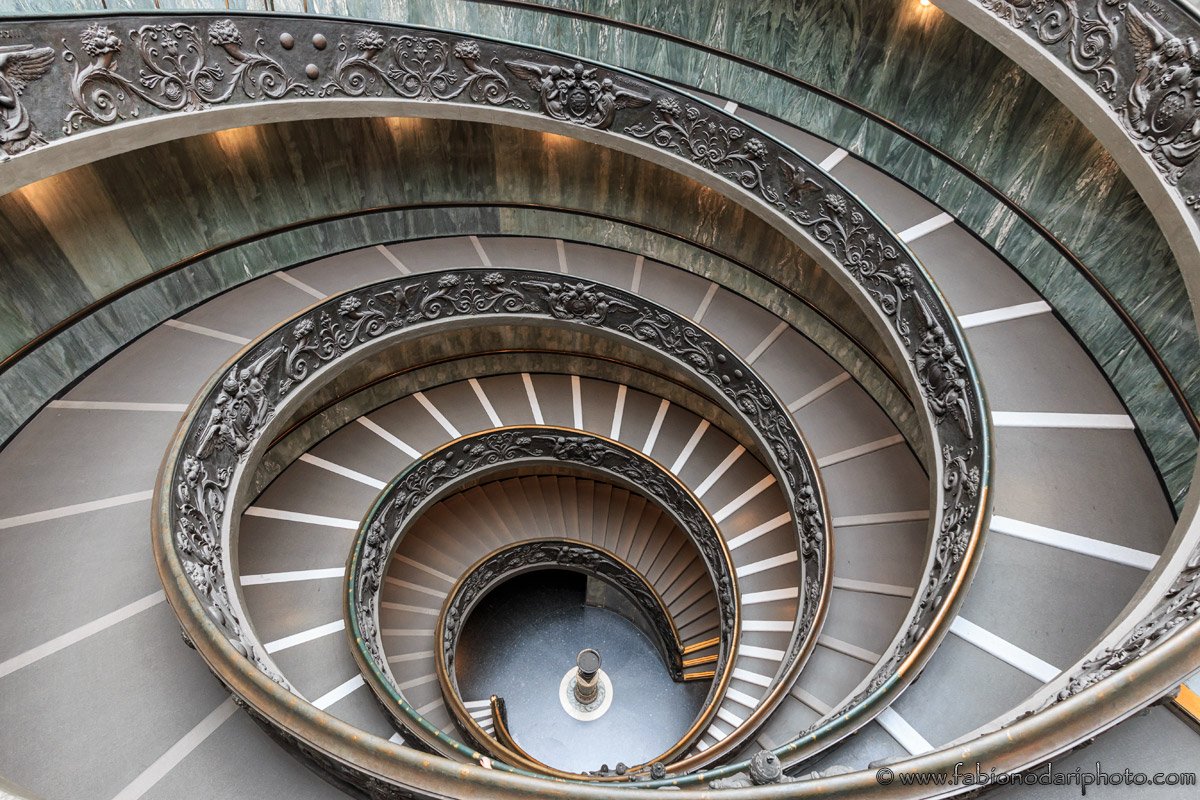
Many of the things to see in Rome are, fortunately, free (such as the Trevi Fountain, the Spanish Steps, etc.), while for some others you’ll have to pay, but if you go on the first Sunday of the month, almost all the museums are free. Here is a partial list of these museums:
- Colosseo
- Foro Romano
- Terme di Caracalla
- Domus Area
- Galleria Borghese
- GNAM Galleria Nazionale d’Arte Moderna
- Musei capitolini
- Centrale Montermartini
- Mercati di Traiano
- Museo dell’Ara Pacis
- Museo di Roma in Trastevere
- Museo Nazionale Etrusco di Villa Giulia
- Museo Nazionale Romano
- Galleria Spada
- Museo Nazionale di Palazzo Venezia
- Museo Nazionale di Castel Sant’Angelo
- Museo Nazionale degli Strumenti Musicali
- Museo Ostiense
- Villa Adriana
The Vatican Museums (absolutely not to be missed) have a different day of free admission. I suggest you check the official website for updated dates. Usually, the last Sunday of the month.
Remember that there will be many people and you’ll have to choose what to see carefully, as some museums are huge and you can’t see all of them in a single day.
What to eat on a low budget

Eating well in Rome does not mean spending a fortune, but you need to know how the city works. If a place has a waiter trying to drag you in from the street, walk away. Those are tourist traps. The food is average at best, and the prices are inflated. What you want instead is a tavola calda, a small cafeteria-style place where locals stop for a quick lunch. The food is already cooked, but it is usually fresh, Roman, and costs far less than a sit-down trattoria.
Another good option is pizza al taglio, pizza by the slice. You point at what you want, they cut it, and you pay by weight. It lets you try different toppings without committing to one big pizza, and you can eat well for five to ten euros. Add a supplì, a fried rice ball with melted mozzarella inside. They cost around two euros, they are filling, and they are one of the best things you can eat on the street in Rome. When you see a line of locals outside a forno, get in it.
Rome is full of public fountains called nasoni that provide cold, drinkable water for free. Carry a bottle and refill it all day. For coffee, always drink it standing at the counter. An espresso al banco costs about one euro, sometimes a bit more. Sit down at a table, and you can easily pay three times that for the exact same coffee. Romans do not sit for espresso. Neither should you.
Final considerations
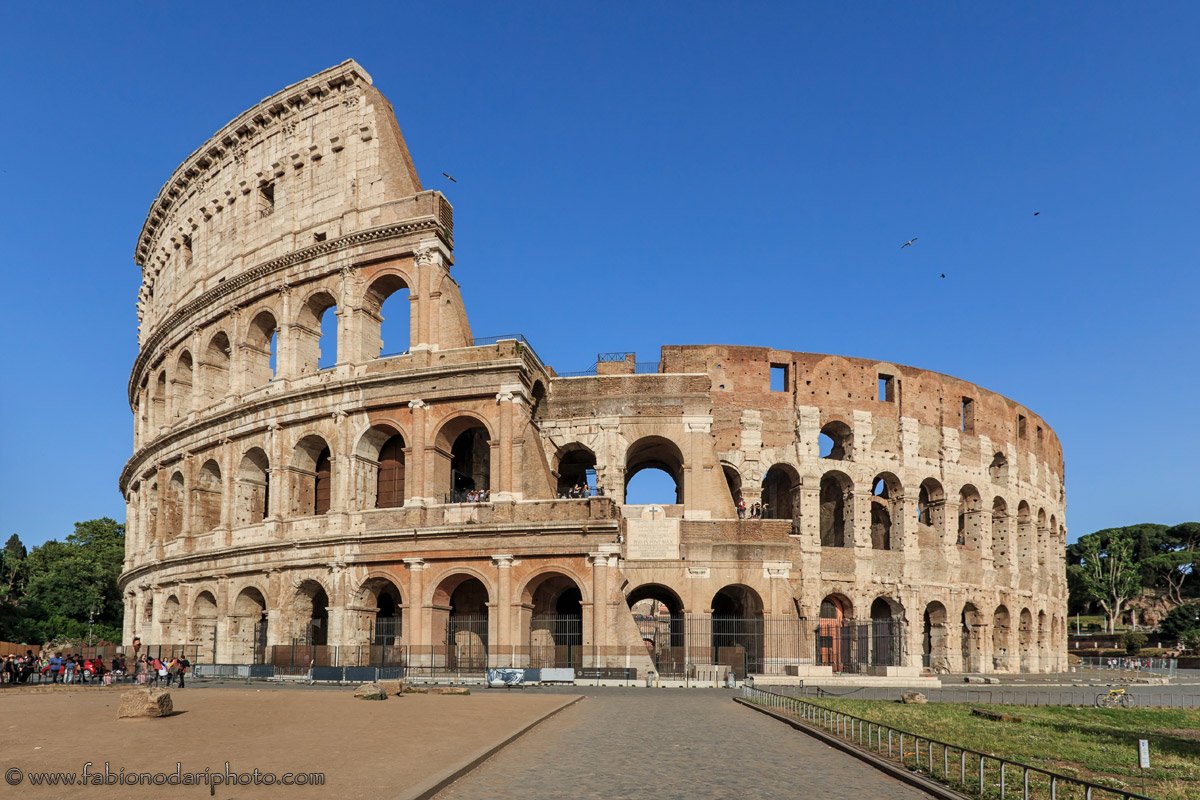
Although Rome is the capital, it is not a particularly expensive city for tourists who plan their trip in advance. Avoid the holidays and, if possible, travel during the week. Check in advance when the museum is closed and when they have a free entrance. If you do, you will enjoy the eternal city without going bankrupt.
Here are a few more pictures I took in Rome.


