
Taiwan is famous for its numerous night markets, and you can find them all over the island. In this article, I talk about one of the most popular in Kaohsiung: Ruifeng Night Market (瑞豐夜市)
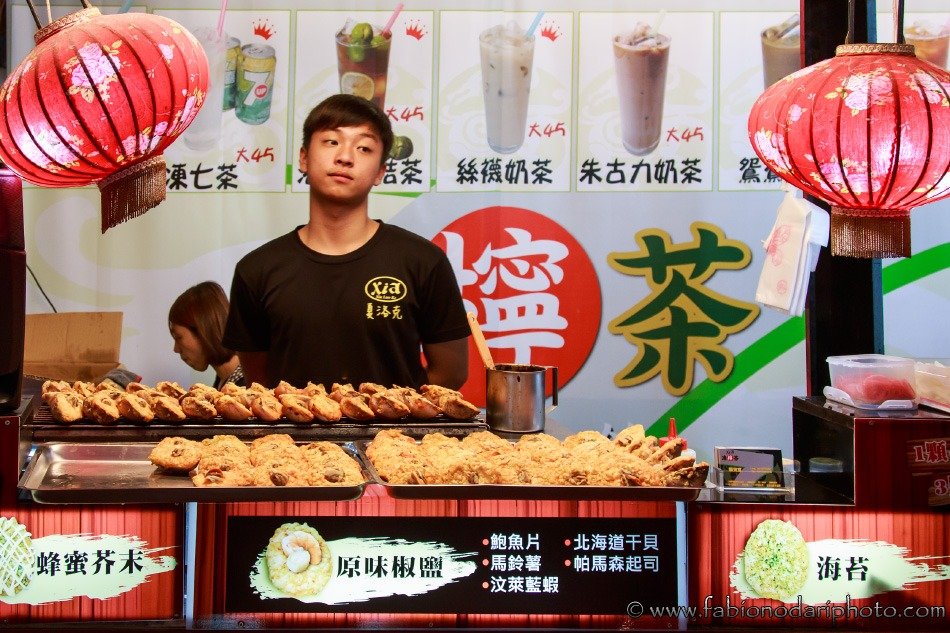
Getting to know the food of a country often reveals more than just what people eat: it offers insights into their history, values, and daily life. In Asia, where food is deeply connected to tradition and community, night markets are the perfect places to experience this firsthand. When you visit these markets, you’re not just tasting dishes but also discovering the stories behind them, the local ingredients, and how food brings people together. That’s why, whenever I travel in Asia, I make it a point to explore night markets whenever possible: they are a key to understanding the culture beyond tourist sights.
Taiwan (here my travel guide) is no exception: every night after sunset, hundreds of markets throughout the island welcome tens of thousands of visitors, tempting them with their Xiaochi (snacks) or simply with clothes and other accessories at very low prices.
A bit of history
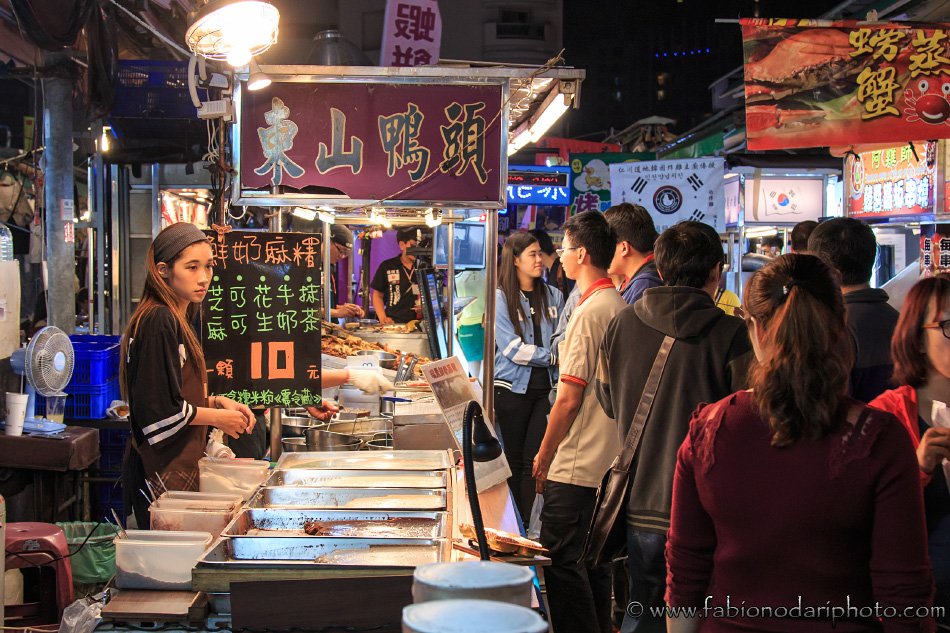
Night markets in Taiwan have a long history that traces back to informal gatherings of street vendors during the Chinese Tang dynasty, where markets near temples extended their hours into the evening. These early night markets served as places for locals to shop and socialize after work, offering simple foods and goods.
Modern Taiwanese night markets took shape after World War II, growing rapidly alongside Taiwan’s urbanization and economic development. They evolved from small food stalls catering to workers into bustling markets featuring a wide range of affordable street foods, clothing, and entertainment. By the 1970s and 80s, night markets became an important social and economic hub, deeply embedded in Taiwanese culture and daily life.
How to get to the Ruifeng Night Market and opening times
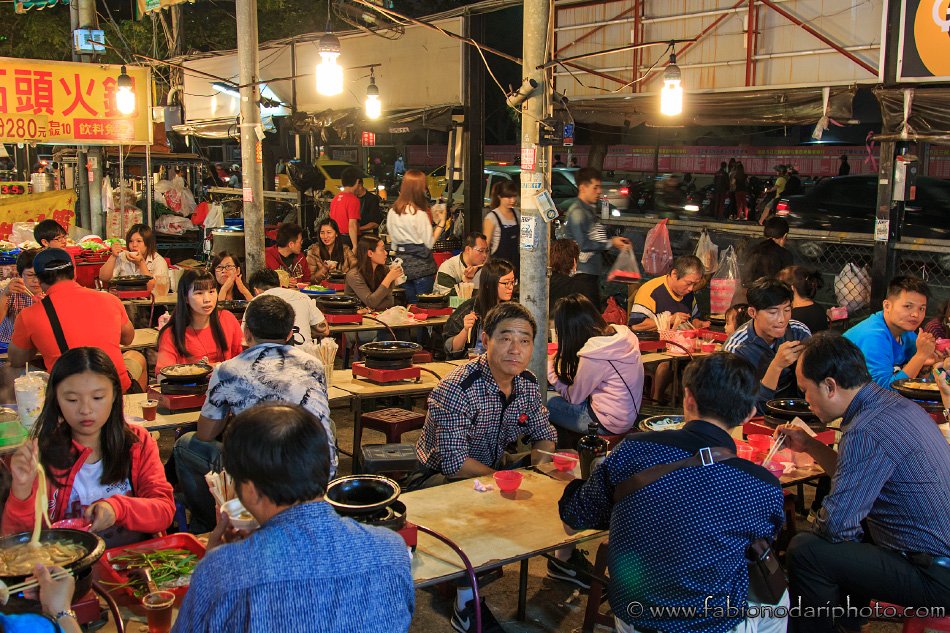
Ruifeng Night Market is located in the Zuoying District (the same district as the Lotus Pond), covering parts of Yucheng Road, Nanping Road, and Dongmen Road. It’s near the Kaohsiung Arena metro station, so it’s pretty easy to get there by public transportation. From Exit 1 of the MRT station, you can walk for 5 minutes to reach the entrance.
Over the years, this market expanded to a massive area of about 3000 m², hosting more than 1000 registered food vendors. Unlike the night markets in Tainan, which are mostly set up in parking lots, or those in Taipei, often held on roads closed to traffic during the night, Ruifeng Night Market occupies a permanent, semi-covered location featuring around 10 lanes running from north to south.
The market is typically open from 5 PM to midnight on Tuesdays, Thursdays, Fridays, Saturdays, and Sundays, closing on Mondays and Wednesdays.
What to eat
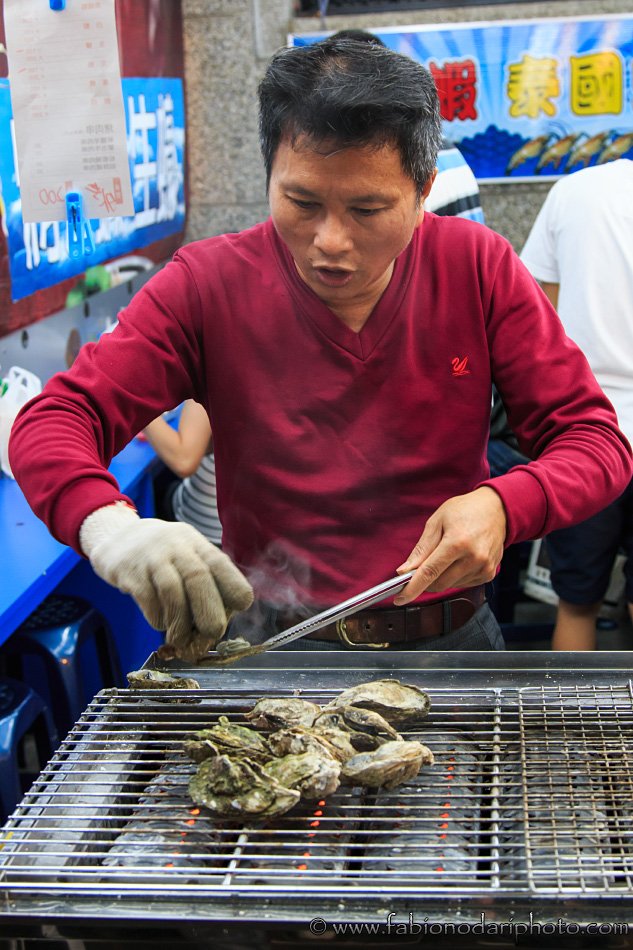
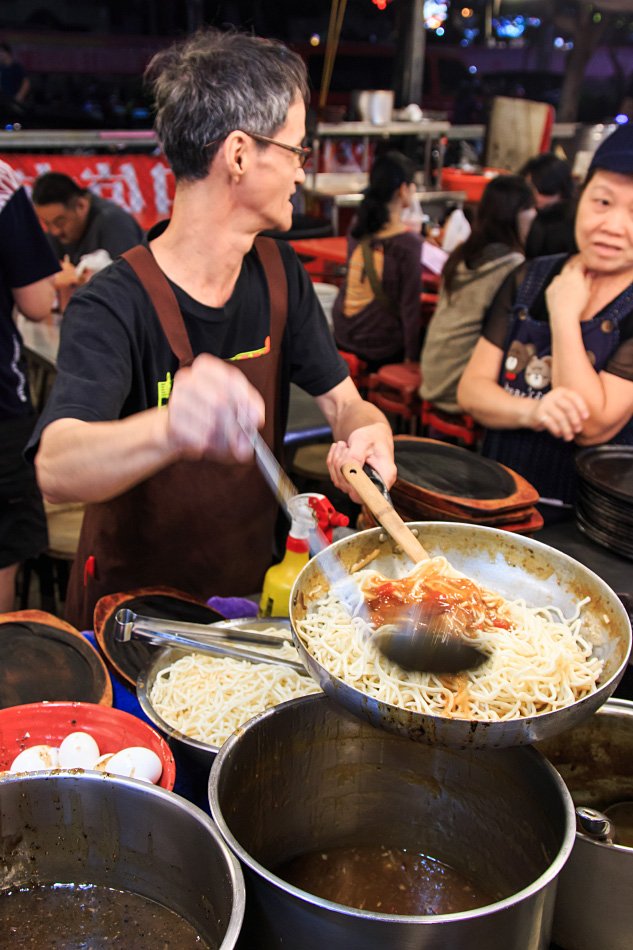
When you visit Ruifeng Night Market, the real star is the food. You’ll find all kinds of dishes, from classic local favorites to surprising international flavors to some, let’s say, more challenging dishes, especially for foreigners.
These are some of the best I think you should try:
- Stinky Tofu 臭豆腐: A classic Taiwanese snack known for its strong aroma and unique taste, often fried and served with pickled vegetables and tangy sauce.
- Grilled Squid or Seafood Skewers 烤魷魚: Popular street snacks featuring fresh seafood grilled over charcoal, offering a smoky flavor and chewy texture.
- Taiwanese Scallion Pancakes 蔥抓餅: Fluffy and crispy savory pancakes made with green onions, sometimes filled with egg, cheese, or other toppings.
- Sweet Potato Balls or Taro Balls (地瓜圓芋圓): Chewy, fried, or boiled snacks made from sweet potato or taro, offering a sweet and satisfying treat.
- Xinchuan Yuanyang Milk Tea (鑫川鴛鴦奶茶): Creamy iced drinks made with fresh Gaomu milk, including coffee mixed with tea and classic milk tea.
- Light Green Lemon Milk (淺綠色奶香檸檬): A local specialty drink blending whole Taiwan green lemons, sugar, and milk into a thick, sweet, and slightly tart beverage.
- Master Shao’s Shanghai Soup Buns and Oyster Omelets (邵師傅上海湯包:) Offers popular soup dumplings (xiaolongbao) and large oyster omelets with crispy edges, served with fresh ginger, black vinegar, and spicy sauce.
- Gandan Thick-Cut Fried Yogurt (甘丹厚切炒酸奶): Frozen yogurt cut into pieces on a cold grill in flavors like blueberry, sweet osmanthus lemon, and salted caramel.
- Fire Soul German Pork Knuckle (火魂德國豬腳): Slow-roasted pork knuckles cut into bite-sized pieces, served with seasoning options such as salt and pepper, honey mustard, or lemon tartar.
- Wen’s Fresh Milk Mochi (文鮮奶麻糬): Southern Taiwan-style mochi that is soft and almost liquid in texture, available in flavors like black sesame, matcha, and cocoa.
- Z Paella Z (的西班牙燉飯): Taiwanese-style Spanish paella with chorizo, chicken thigh, and homemade smoked bacon, with an optional creamy/spicy sauce.
- Youchigui Stuffing Fried Fritters (油吃鬼百花釀油條): Deep-fried dough sticks stuffed with shrimp, cuttlefish, and fish paste, served with various seasoning options.
- Angel Fried Chicken Cutlets (天使雞排): Large and popular fried chicken cutlets, crispy outside and juicy inside, often attracting long queues.
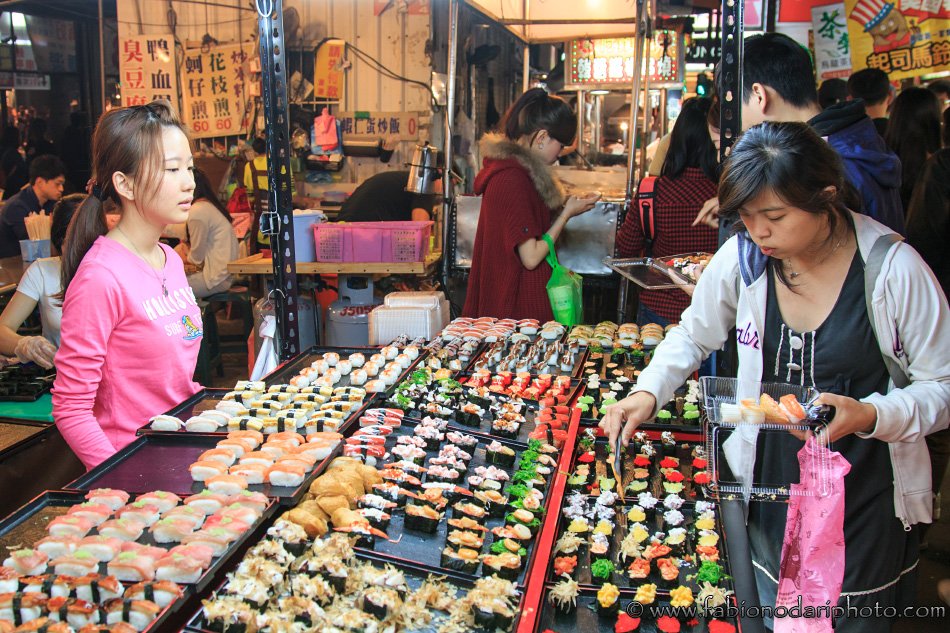
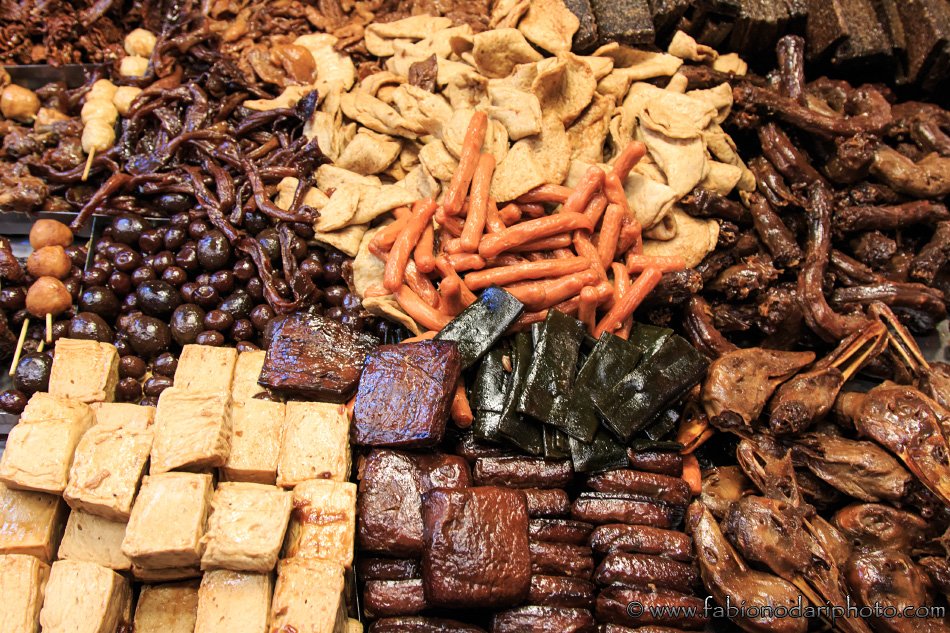
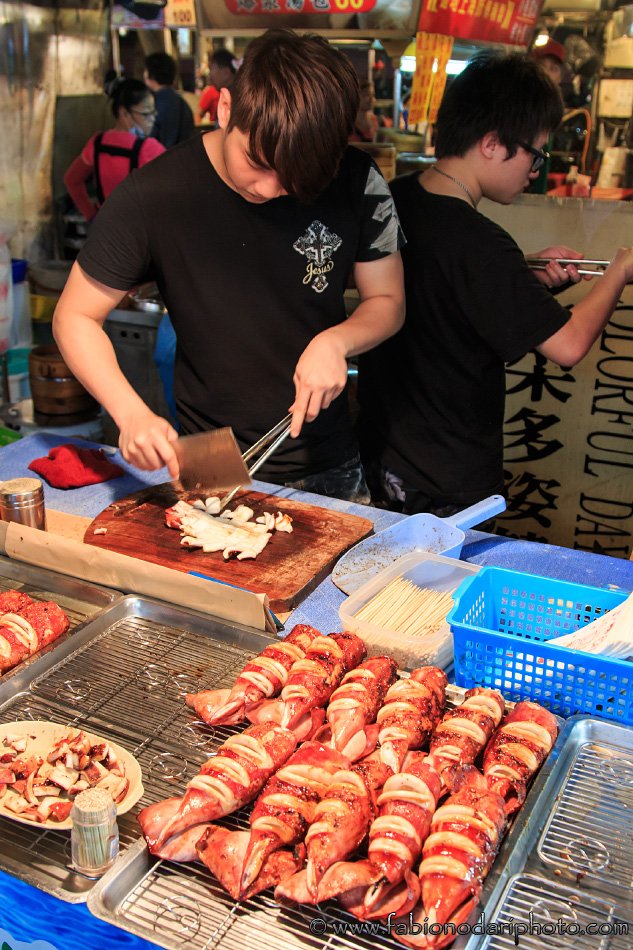
Ruifeng Night Market is relatively clean compared to many other street food areas, but it’s still wise to be careful. Always choose food stalls that look busy and have a steady flow of customers: that’s usually a good sign of fresh ingredients and better hygiene. Avoid raw or undercooked items and watch out for stalls where food sits out for long periods. Taking these simple precautions will help you enjoy the food safely and make your night market experience more enjoyable.
As always, don’t forget to get a VPN before traveling to China. I recommend this one. If you prefer an eSIM, this is a great option. Finally, don’t forget to get a good travel insurance such as this one.
Here are more pictures of Taiwan, and here is some info about other interesting places to visit in Kaohsiung: The Lotus Pond and Shoushan Monkey Mountain.


