
Shoushan (壽山) is Kaohsiung’s natural escape. This guide shows you how to explore its best viewpoints, wildlife, and hidden spots.
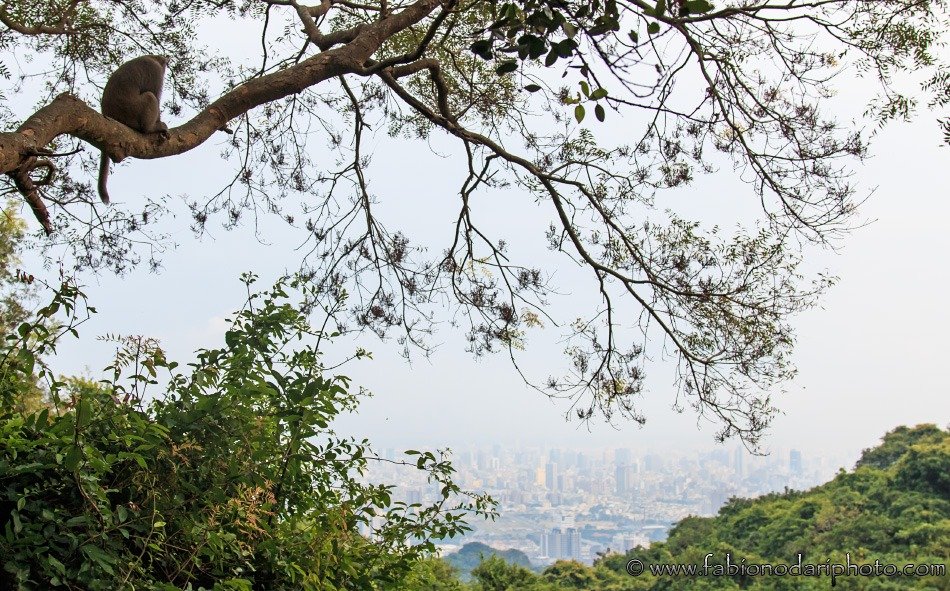
Shoushan (壽山), also known as Monkey Mountain, is one of Kaohsiung’s most beloved natural escapes. Rising right in the city’s heart, it offers a surprising contrast to the urban chaos below. With its lush forests, winding trails, and panoramic views over the harbor, it’s a place where nature lovers can forget for a while that they are actually in the heart of a big asian city.
The mountain is famous for its population of Formosan macaques, which roam freely along the trails. Beyond the monkeys, Shoushan reveals hidden temples, quiet lookout points, and fascinating wildlife, making it more than just a short escape from the city. Whether you’re here for a few hours or a full day, this guide will help you experience the best of Shoushan in Kaohsiung.
If you are looking for a Travel Guide to Taiwan, don’t miss this article.
How to get to Shoushan, Kaohsiung’s monkey mountain
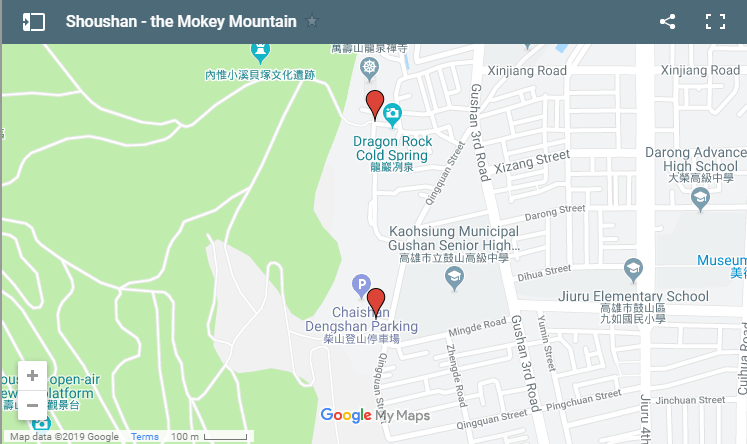
If you visit Kaohsiung, you will surely notice the small mountains in the middle of the city: the longevity mountain (Shoushan, 壽山) and the monkeys’ mountain (ChaiShan, 柴山). Shoushan is easily accessible from various parts of the city.
By MRT and Bus
- From Yanchengpu MRT Station (Orange Line): Exit via Exit 4, walk approximately 150 meters to the intersection of Wufu 4th Road and Wufu Leshan Street. From there, take bus number 56, the Shoushan Zoo special bus, which stops near the Shoushan Zoo entrance.
- From Wunwu Shengdian Light Rail Station: Exit and walk along the main road to Gushan 1st Road. Turn right and take bus number 56 at the Taipower Station to reach Shoushan Zoo.
By Taxi
Taxis are readily available throughout Kaohsiung. You can request a ride directly to the Shoushan Zoo or any of the trailheads leading to the mountain. This is a convenient option if you’re traveling in a group or prefer a direct route.
On Foot
If you’re staying nearby, walking to Shoushan is a pleasant option. The mountain is located near the National Sun Yat-sen University and the Shoushan Zoo, both of which serve as popular starting points for hikes.
If you need a hotel in Kaohsiung, I recommend using Trip.com over Booking since it has more and cheaper options.
How to visit the park
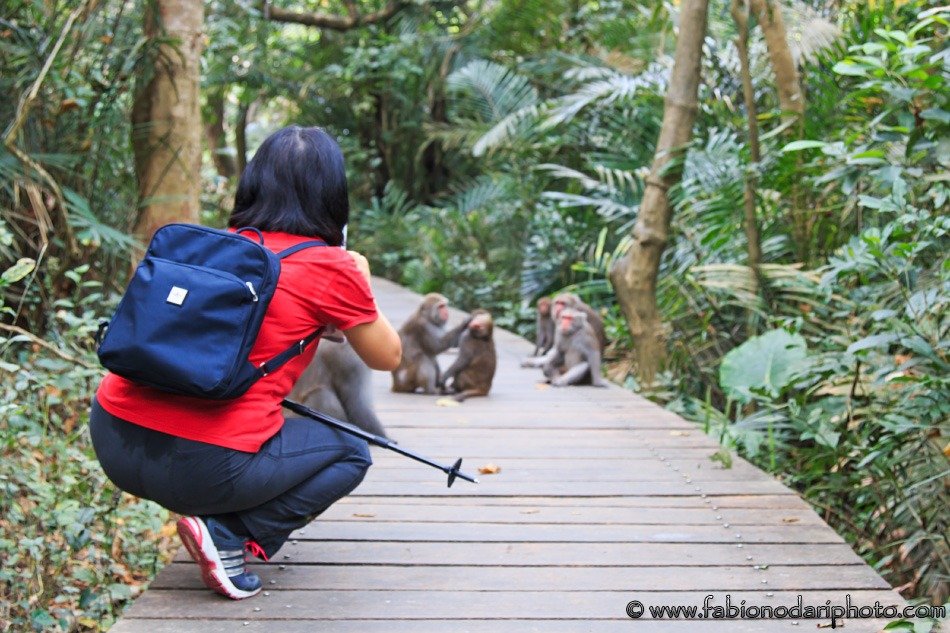
Since Kaohsiung has a population of about 3 million people, and since the entire West coast of Taiwan is densely populated, finding a park with tropical forests and hundreds of wild monkeys right in the city is quite a nice surprise.
In the park (which includes other areas besides Shoushan), you’ll find several hiking trails that are suitable for all: some are easier than others, but to be fair, there aren’t any really difficult routes. Just a lot of steps.
Shoushan Hiking Trail (壽山步道)

The main trail stretches 11.4 km around Chaishan Triangulation Points. Starting near Shoushan Zoo at the South Entrance, you gradually ascend the hill, pausing at observation points with nice views of Kaohsiung and the harbor. The highest point, 356 metres, offers an unobstructed look at the city skyline, including the 85 Sky Tower
From there, the trail leads north via limestone staircases to Changchun Pavilion, then through the dense banyan grove of Panrongshan Rest Area, where you’ll see many Formosan macaques and squirrels. You can then continue west to Lianhua Cave, a 10-metre-long limestone grotto draped in ferns and banyan roots. The route then takes you to Taiguo Valley, a dramatic limestone rift decorated with aerial roots, before looping back past Xiaopingding viewing platform to the South Entrance.
Bei Shoushan Hiking Trail (北壽山步道)
Starting from Bei Shoushan Climbing Pass, this trail winds up gentle hills lined with banyan trees and offers several platforms with city and forest views. Along the way, you’ll find Ke’nan Cave, a dim limestone grotto, and an old military bunker used during the Japanese Occupation Era. The northern peaks, including Chaishan Boy Hill and Cape of Chaishan Northwest, provide nice views of Kaohsiung’s coastline. The trail loops back to the starting point through dense forests and multiple viewing decks.
Banpingshan Hiking Trail (半屏山步道)
An easier option, Banpingshan is a 3.2 km trail north of Shoushan, perfect for all ages. Starting from Cuihua Road, you can climb to the 181-metre summit, among limestone crevices, banyan trees, and ferns. From the top, you can see the Lotus Pond (here my guide), Guishan, and the Taiwan Strait. The return path passes Banping Lake wetlands.
Guishan Hiking Trail (龜山步道)
This other short 800-metre trail, also located north of Shoushan, takes less than 10 minutes to reach the 52-metre summit. Along the way, you’ll pass the 3031 Bunker from the Japanese Occupation Era. The summit provides great views of Lotus Pond with its Dragon and Tiger Pagodas, nearby Banpingshan, and the Shoushan hills beyond.
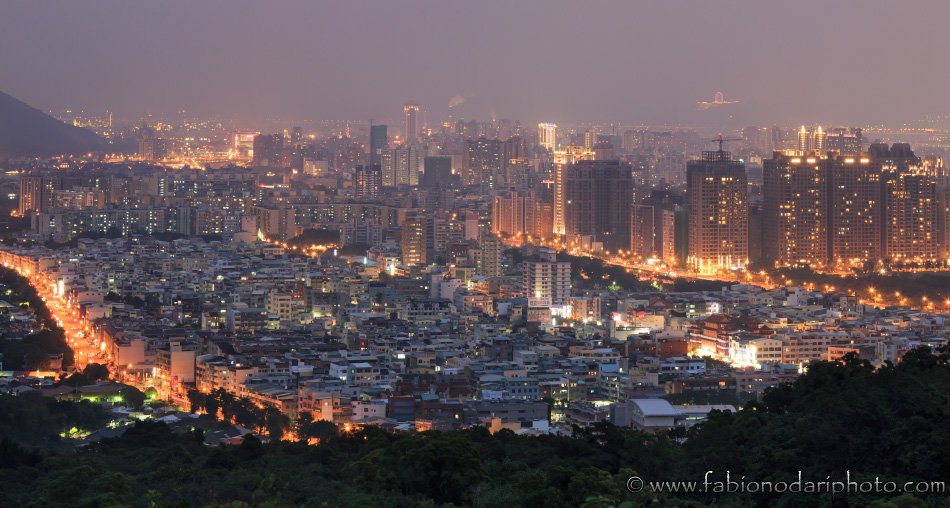
Some suggestions:
- Bring a lot of water with you, you’ll need it, but be careful: monkeys love to steal it.
- Please don’t bring any food, but if you do, pay attention to the monkeys.
- Avoid staring at the money right in their eyes: they’ll consider it a challenge and might even attack you. It happens more often than you would think.
Wildlife of Shoushan
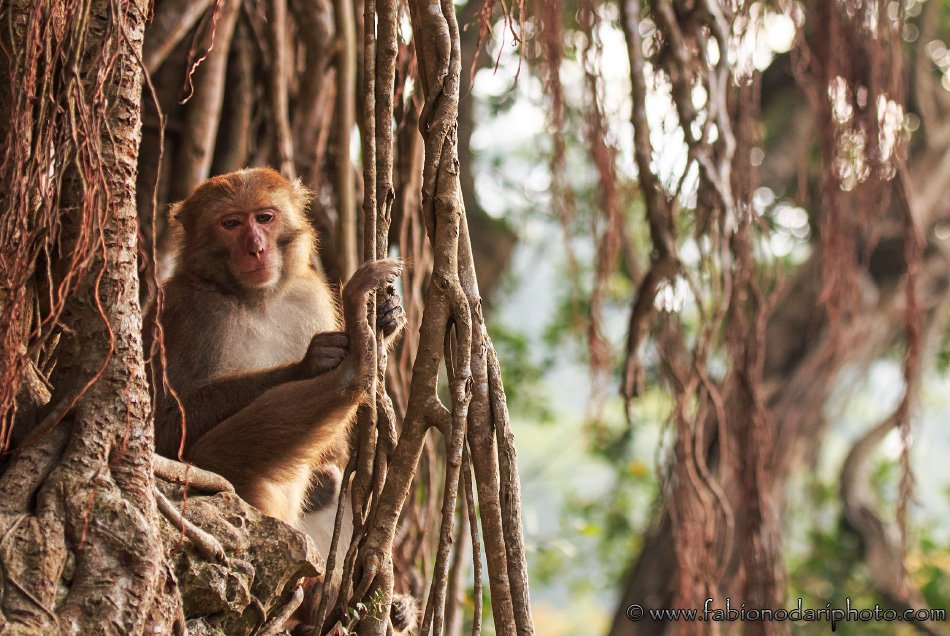
Shoushan National Nature Park isn’t just about views and limestone trails: it’s also home to a surprising variety of wildlife. If you keep your eyes open while hiking, you’ll likely encounter some of the park’s most iconic residents.
Taiwanese Macaques (台灣獼猴)
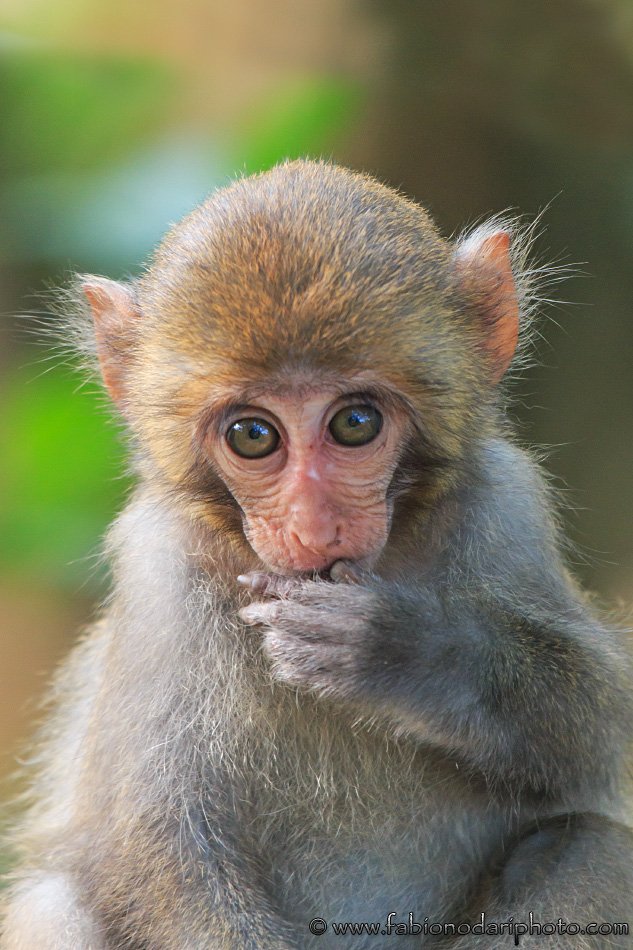
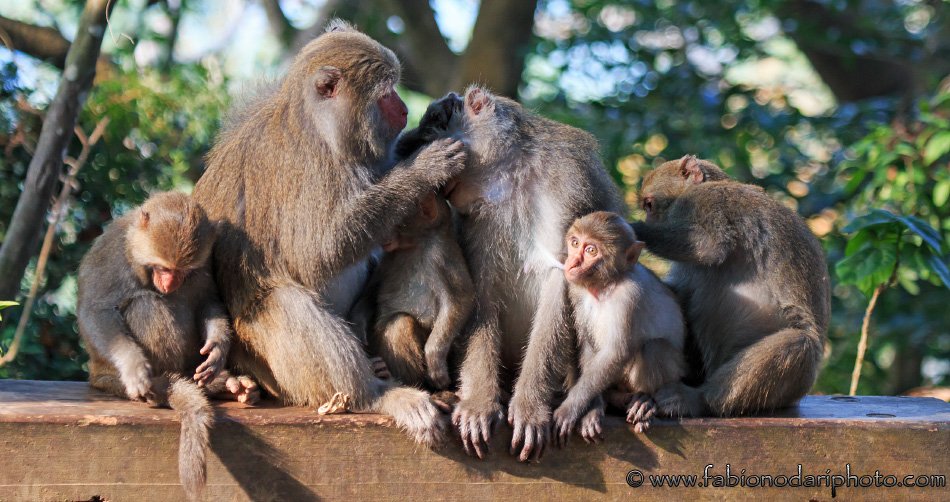
The monkeys are Taiwanese macaques (Macaca cyclopis), an endemic species of Taiwan, recently introduced in Japan as well. Adults reach around 12 kg and measure 50–60 cm long. A typical family group consists of roughly 45 individuals.
Their diet is varied: fruits, leaves, seeds, plant matter, insects, and small vertebrates. In coastal areas, they also feed on crustaceans. Unfortunately, they are considered vulnerable due to habitat loss and hunting, as macaques are sometimes targeted for crop damage or used in medical research. While hiking, you’ll often see them near trails, sometimes approaching tea shops or rest areas: always keep your distance and don’t feed them.
Muntjacs (小鹿)
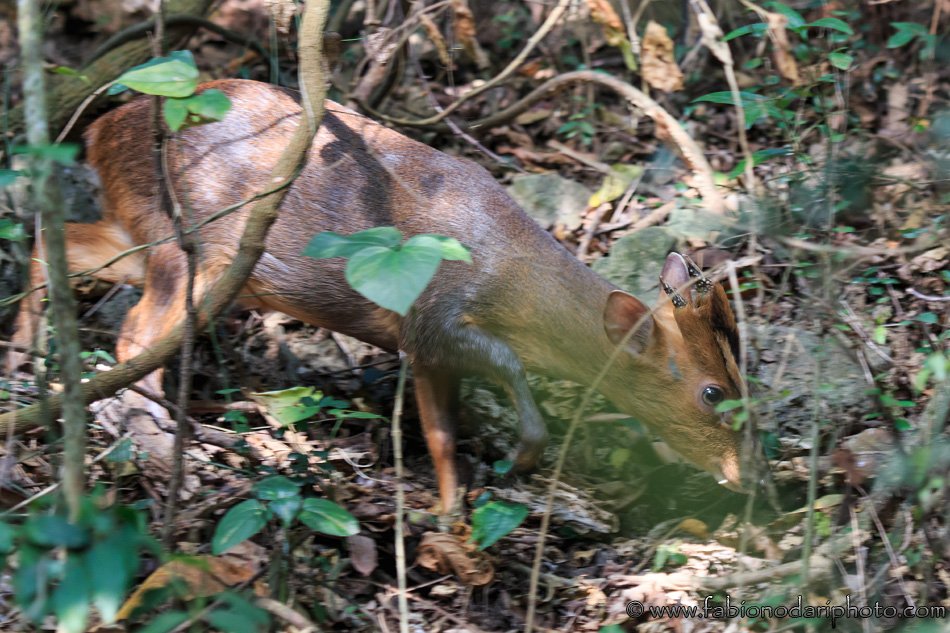
If you’re lucky, you might spot a few shy Muntjacs, small deer standing about 1 metre tall, mainly living in forested areas. Males are highly territorial and defend their range fiercely. Since Muntjacs don’t have antlers, they rely on their long canine teeth when clashing with rivals. They’re elusive, so quiet steps and a little patience are key.
Birds and Insects
Shoushan is also a paradise for birdwatchers. You’ll find species like bulbuls, magpies, and kingfishers flitting among the trees. During warmer months, butterflies of all colours and sizes add movement and life to the forest trails.
Other Mammals
Besides macaques and Muntjacs, if you are lucky, you might spot civets, squirrels, and even the rare pangolin. The dense banyan forests and limestone crevices provide excellent shelter for these creatures, though it’s extremely difficult to see them.
Exploring Shoushan is as much about the wildlife as it is about the scenery. Watching a family of macaques play among the banyan roots or glimpsing a Muntjac through the trees can turn an ordinary hike into a truly memorable experience.
A Generous Tradition: Free Tea at the Top
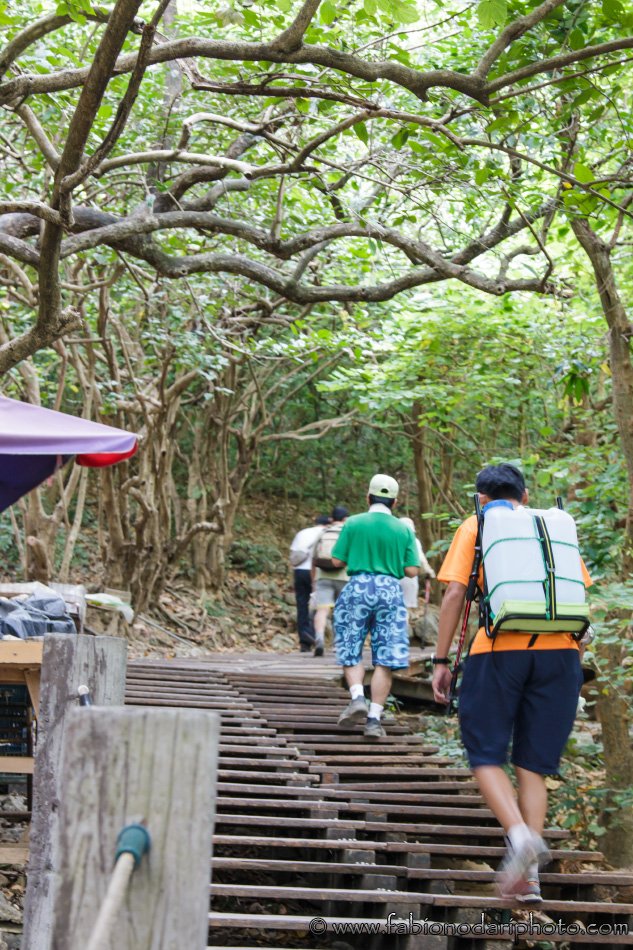
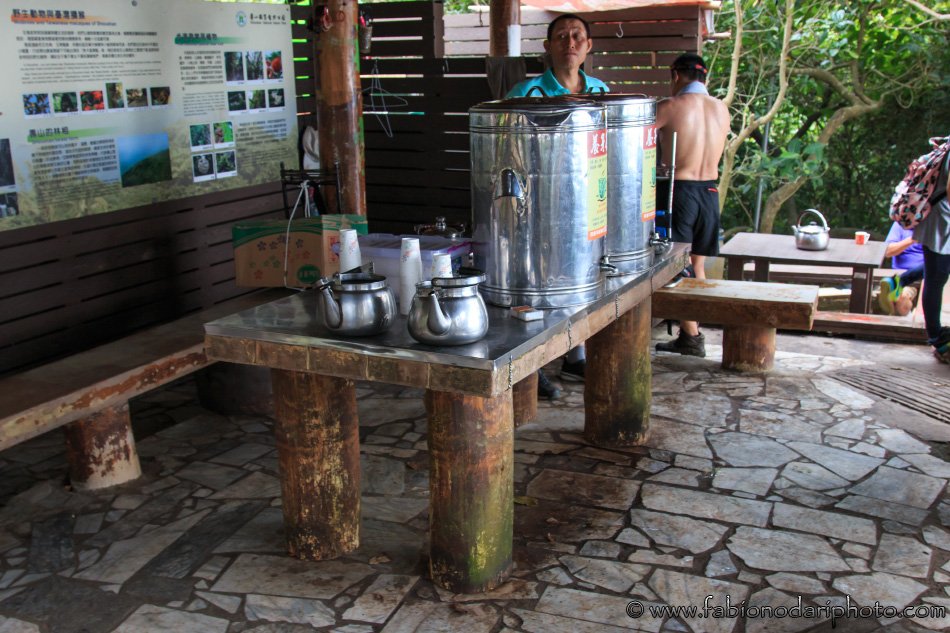
If you see hikers carrying water tanks and other supplies up Shoushan, it’s because there’s a small tea station at the peak, and many locals volunteer to bring what’s needed to make tea. They do it for free, and the tea is also free of charge. This example tells a lot about Taiwanese culture.
The tea station at the top of Shoushan is a testament to the spirit of community and generosity that defines Taiwan. Volunteers, often local people, carry water and tea-making supplies up the mountain to offer refreshments to hikers. This not only provides a welcome break for those trekking the trails but also fosters a sense of camaraderie among strangers.
So, the next time you find yourself on the trails of Shoushan, take a moment to appreciate the volunteers who make your journey a little easier and a lot more memorable. Their dedication is a beautiful example of how simple acts of kindness can create lasting impressions and strengthen the bonds within a community.
Don’t forget to get an eSIM and a travel insurance before traveling. Here are more pictures I took in Taiwan. Don’t miss this travel guide to the Ruifeng Night Market, in Kaohsiung. Here you can read my guide to the Tulou Houses in Fujian, the province on the other side of the Taiwan Strait.


