
Follow me on this journey as I explore one of the remotest corners of China, where the last Dulong women with tattooed faces tell me their incredible stories.
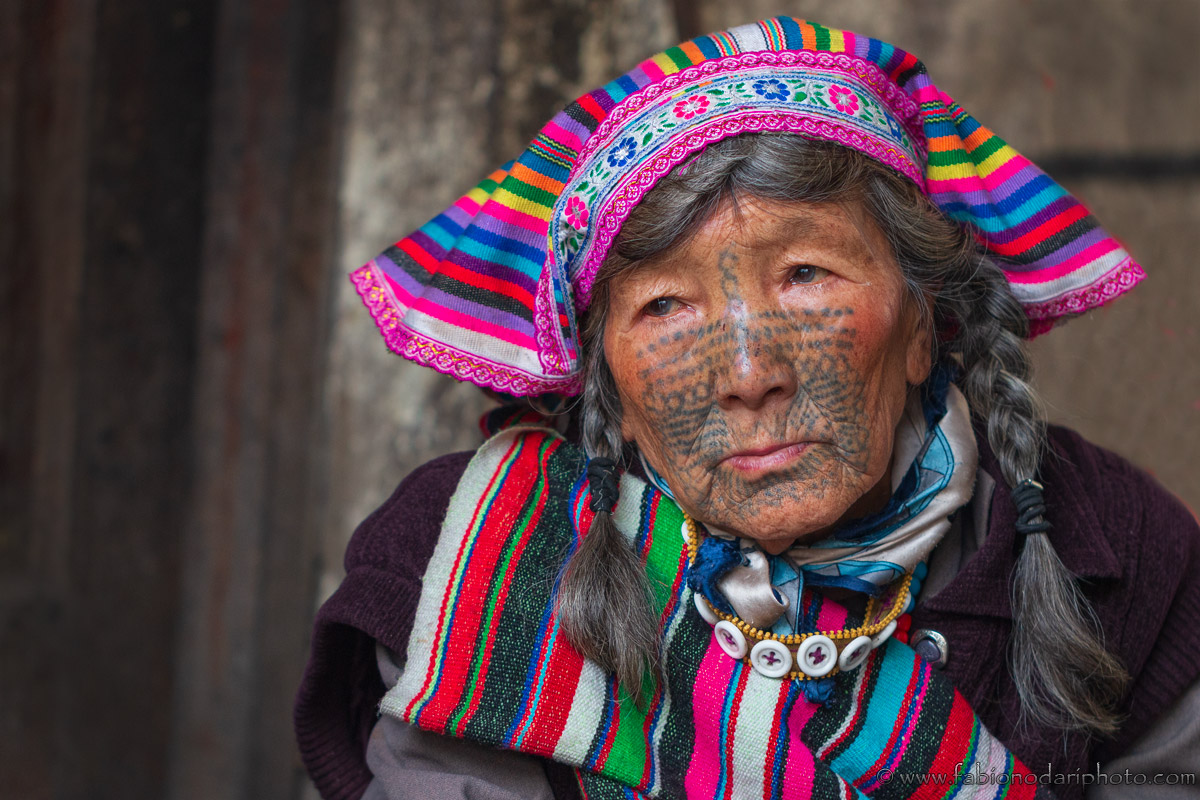
What makes Yunnan my favorite Chinese province is its diversity, both in terms of landscapes and culture. I’m always amazed at how much there is to discover and explore.
One of the places I had long wanted to visit, even before coming to China, was Dulong (独龙), a remote valley nestled in the Gaoligongshan National Park. This park is one of the most beautiful places in all of China. It’s also incredibly important from a conservation standpoint because its unique climatic conditions allow a complete transition from temperate to tropical forest, which is extremely rare worldwide.

But besides the gorgeous landscapes, Dulong is interesting for the people who live there: the Dulong ethnic group, one of the smallest and least studied in China. According to the latest information, there are no more than 10.000 left.
What makes this ethnic group particularly fascinating is the now-forbidden tradition of tattooing young women’s faces. Only a handful of these women are still alive; talking to them and learning their stories has been a fantastic experience.
I had a similar opportunity in Yunnan when I photographed the last women still alive with bound feet. You can read my story here.
When is the best time to visit Dulong Valley?
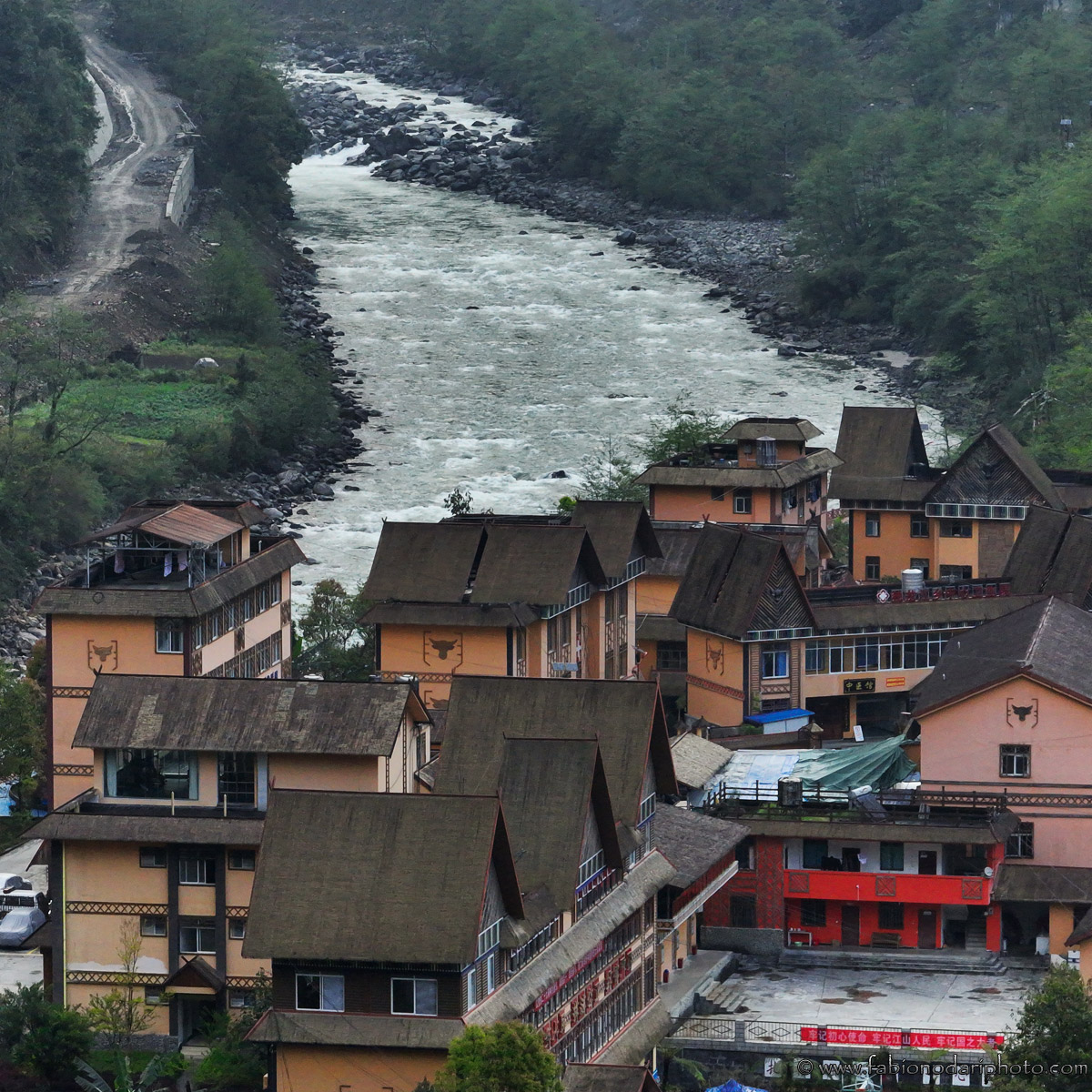
Planning this trip carefully is essential because the final part of the road from Gongshan to the Dulong Village is often closed due to construction work, landslides, and heavy snow. I’d avoid winter and the rainy season (basically from May to the end of August). The two best months are April and September, with April having the advantage of being just before the rainy season begins, so the water in most of the Dulong River is crystal clear.
Another important thing to remember is that you should look for a driver who is very familiar with the area; otherwise, it will be very difficult to find where exactly the Dulong women with tattoos live.
If you need help arranging your trip there, send me a DM on Instagram, and I’ll recommend a local travel company.
Meeting the last Dulong Tattooed Women
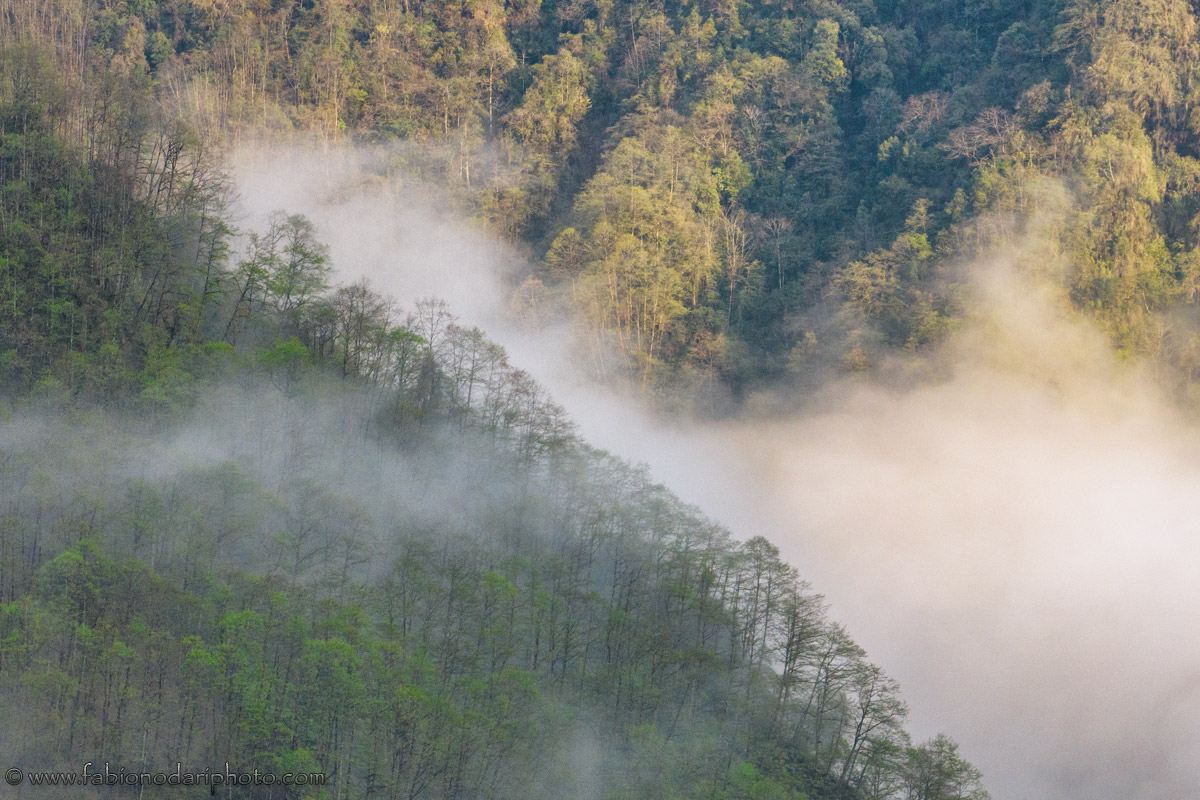
As I was slowly getting closer to the first village, early in the morning, I still couldn’t believe I was about to see these women in real life. I’ve seen pictures and documentaries about them; finally, meeting them was a strange feeling.
Jiang Linqing (江林凊)
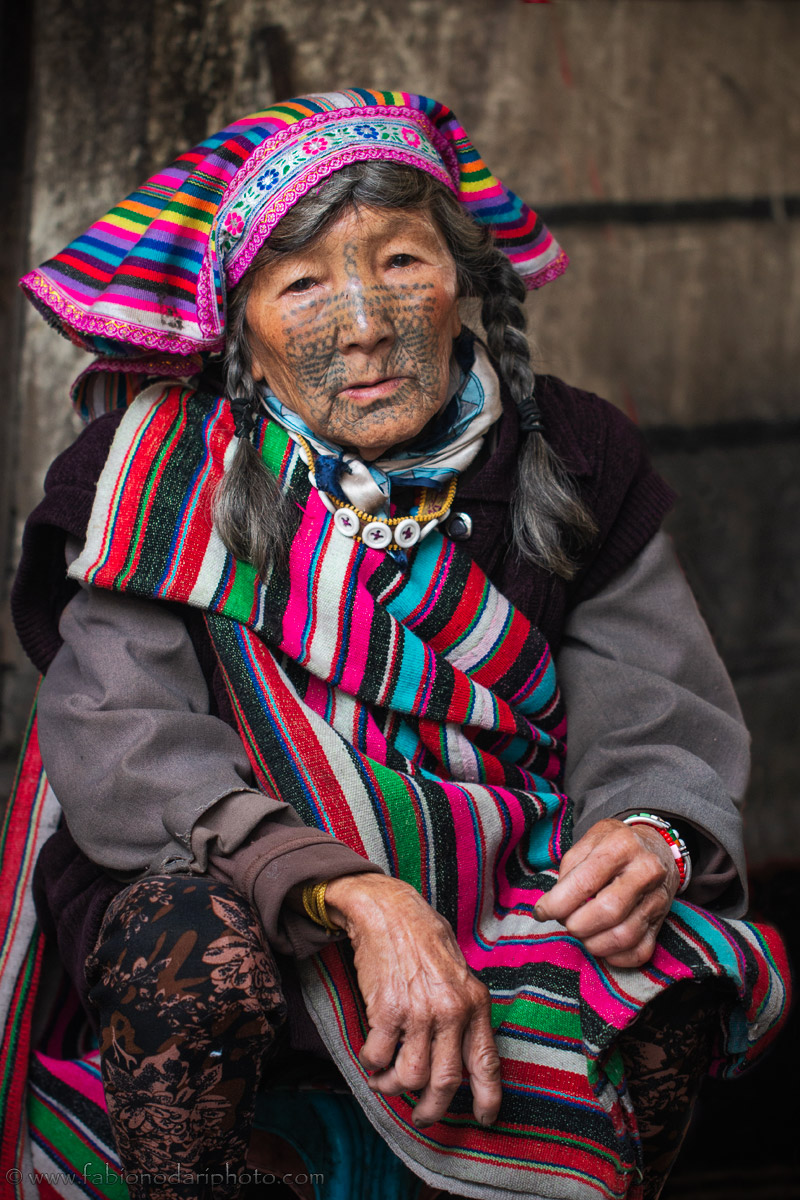
I met Jiang Linqing (born in 1942) just outside of her new house with a small group of Chinese tourists, taking some pictures of her.
The Dulong Valley has been the main focus of the poverty alleviation program, and every family, including Linqing, has been assigned a new home (for free). She was sitting on a small couch with some portraits of her hanging above it.

She didn’t seem particularly happy with all of this attention, and I only then realized the implication of being one of the few people still alive subjected to this practice.
Imagine all the attention you would get if something like this happened. Now, coupled with the fact that she’s very old and most people who visit her are tourists who don’t have much empathy or respect for her feelings, I started feeling sad. I patiently waited for the small crowd to leave and politely asked if I could take some pictures.

She nodded, and I gave her some money, as it’s often the custom when photographing people in remote areas of China to show appreciation for their time.
I tried to talk to her with the help of a local interpreter, since most older people in the area don’t speak Chinese, but she didn’t seem to enjoy talking much. Maybe she wasn’t in the mood, or maybe that was just her personality; I was just glad I had the chance to meet her.
After taking a few pictures together, I greeted her and left, ready to find the next woman in another village nearby.
Li Wenshi (李文仕)
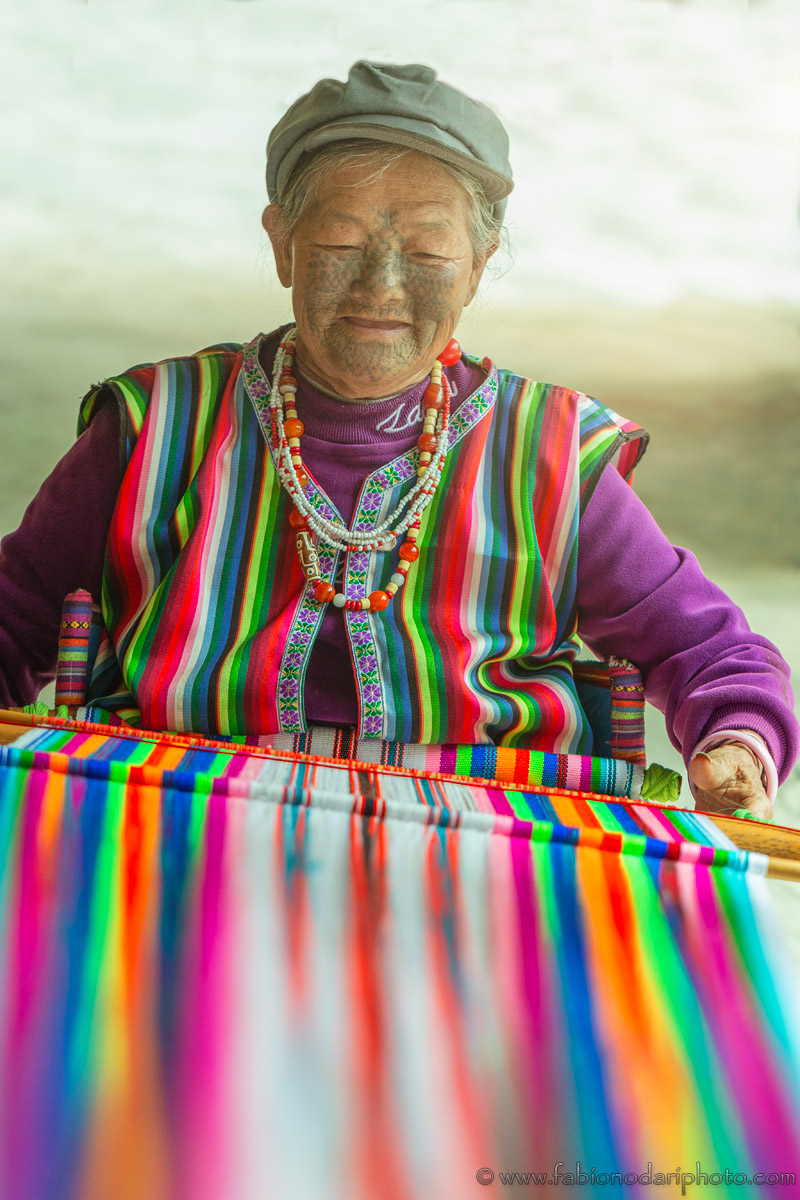
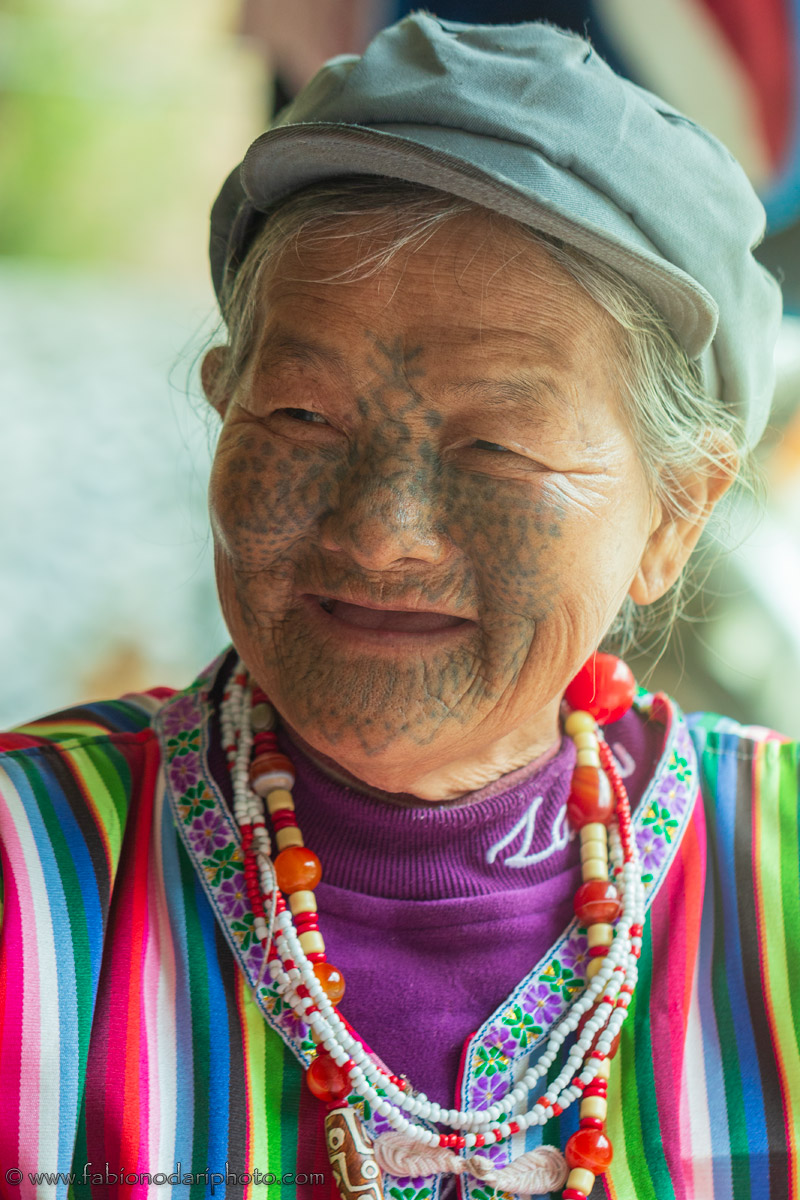

Mindful of this first meeting, I was ready to meet the second woman. I had no idea I would see Li Wenshi, the celebrity of the whole Dulong Valley.
Born in 1947, Wenshi was thrilled to meet a foreigner, and she looked extremely interested in how tall I was and how white my skin was. Chinese people, just like most Asians, associate whiter skin with beauty and darker/tanned skin with poverty because, historically, just like it happened in Europe in the past, only people who worked in the fields had to spend long hours under the sun. Little did she know how much people spend in the West to get tanned…

With the help of her daughter, I had the chance to ask a few questions that I had had on my mind for a long time.
“I was 13 years old when I got tattooed, and it was extremely painful. My face was burning and was all swollen for three days!” Wenshi told me with a big smile on her face.
“I’m so happy to meet a foreigner,” she interrupted the interview, as if she was more interested in asking me a few questions than answering questions about her life…
She must have met quite a few other foreigners, since you can find many of her pictures all over the internet. But in recent years, the valley was closed, so I was probably the first “Laowai” she saw in a long time.
These women are classified, weirdly enough, as “living fossils” by the local government, and their health is constantly monitored.

“I once went to Kunming!“, Yunnan’s capital, “and also to Beijing to meet Xi Jinping!” as I was trying to imagine what it was like to be born in an incredibly beautiful and secluded valley and see a big city for the first time.
“Did you like Kunming?” – “Yes, but I like my village much more,” she replied with a big smirk.
While we were talking, her husband returned from a morning in the fields and didn’t seem to care about all the attention and fame his wife was enjoying.
“Everyone in the village makes fun of him,” explained Wenshi’s daughter, “because he has a tall nose, and people here joke about it: they say he looks like a foreigner.”
We all laughed, and after taking a couple of pictures together, we said goodbye and left for the next household, the last one, to meet another Dulong woman.
Lian Zixian (莲自仙)
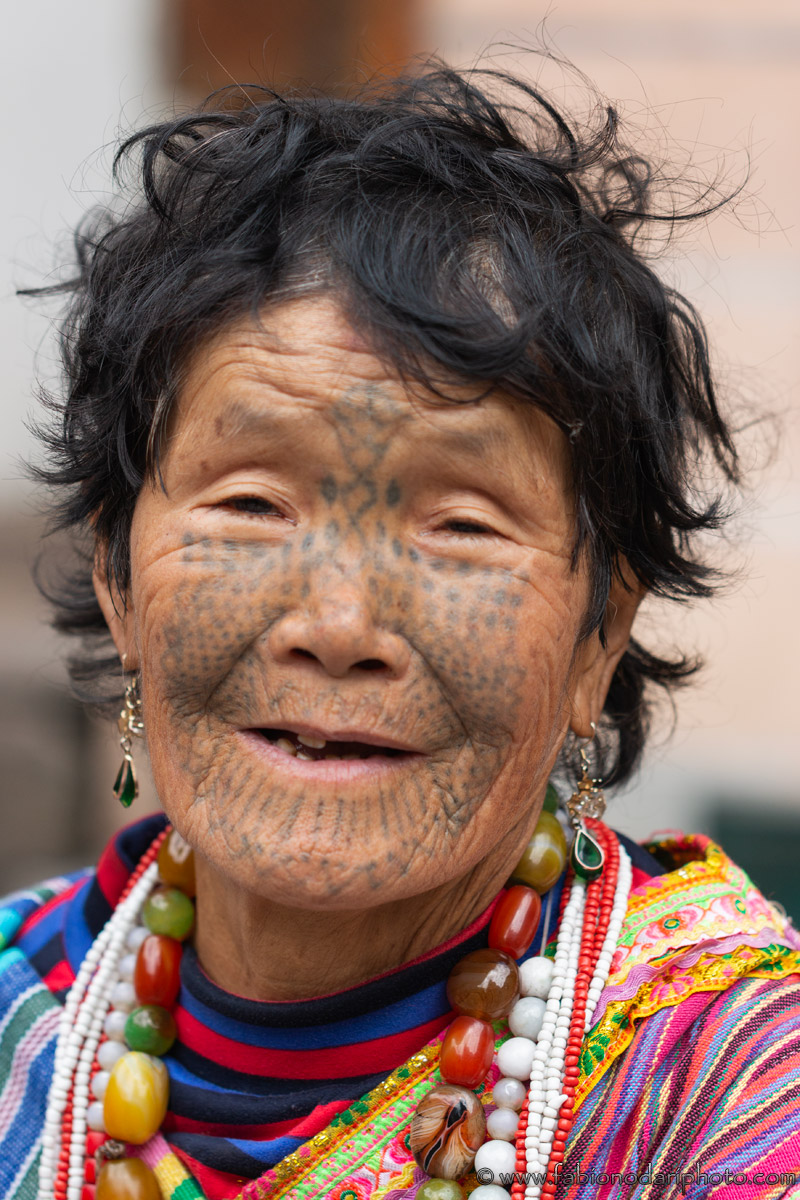
My guide spotted her doing laundry in her backyard and asked if I could take pictures. She didn’t speak a word of Chinese, and unlike the other two women, she couldn’t even understand basic Chinese expressions, so the guide quickly found a local boy in the village who could translate.

It’s becoming increasingly difficult to find people who can understand and speak Dulong. It’s a shame to see most of the Dulong culture disappear as inevitable progress reaches even this long-forgotten valley.
It’s the same story in most of the world. I can see this even in my small hometown in Piemonte, Italy, where fewer and fewer people can speak the local dialect.
Zixian was born in 1943 and got her tattoos when she was 23, relatively late compared to when the other Dulong girls typically got them. She was also very happy to talk to me, and despite the language barrier, we had a great time.
Unfortunately, it was time for me to leave this incredible place and the beautiful people of this remote valley.
PS: Lian Zixian has since unfortunately passed away.
What is the origin of the tattooed faces?
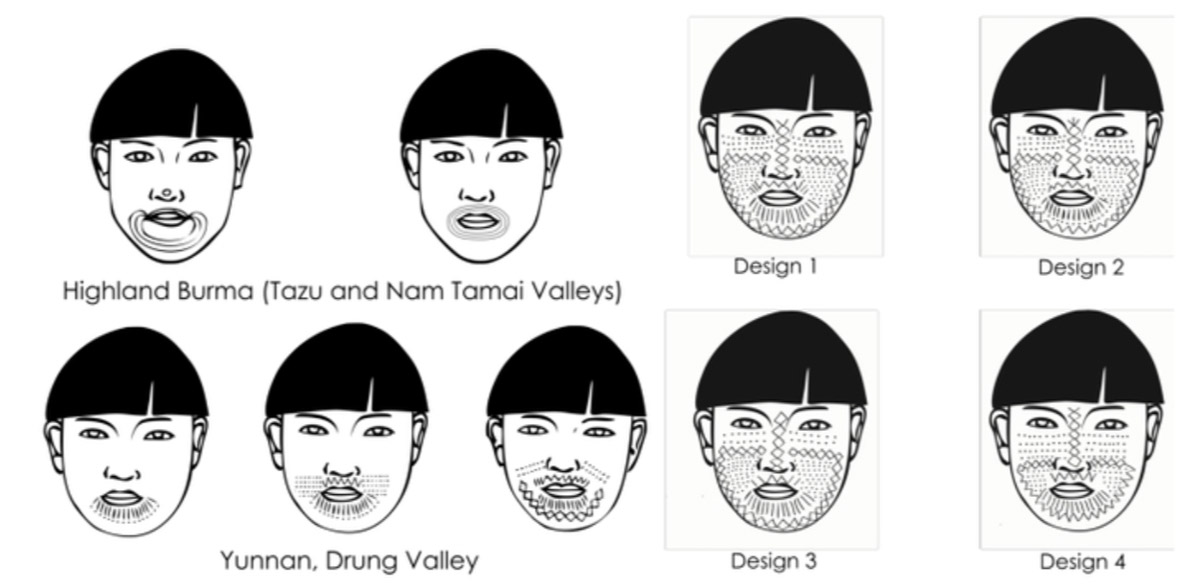
Long story short, not all anthropologists agree 100%, but the most widely accepted explanation is that the tradition of tattooing young girls was to protect them from the incursion of enemy tribes that kidnapped young Dulong women. Having a tattoo was a sort of mark to make it impossible to sell these girls as slaves or marry them outside of the valley because it was obvious that they had been kidnapped. According to some accounts, the enemy tribes were Tibetan; others say they were Lisu.
Some argue that tattoos are an artistic representation of butterflies, but experts disagree. If you want to learn more about Dulongzu tattooed women, check out this interesting research paper.


Interestingly, you can find very similar practices and explanations in Odisha, a remote state in Western India. Here’s my travel guide to that beautiful area.
How to get to Dulongjiang (独龙江乡)
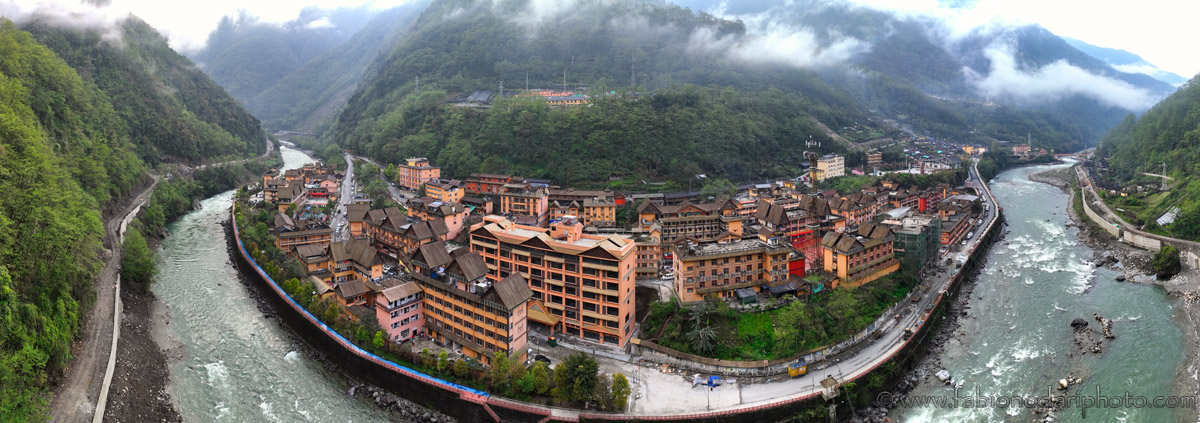
The Dulongjiang village is the only place where you can find accommodation, and it’s the starting point to explore the few villages where you can find tattooed women. This is one of the few options on Trip.com.
Getting to this village is the hardest part, and it involves hiring a driver unless you have a driver’s license and feel comfortable driving for many hours. There are a few possible starting points for this long journey. You can start from Dali (大理), Baoshan (保山) or Shangri-La (香格里拉). All these cities are connected to Kunming by high-speed trains.
I visited Dulong Valley twice. The first time I travelled from Kunming to Baoshan, then from Baoshan to Liuku (六库), a smaller but really beautiful town on the banks of the Nujiang River. Getting to Liuku is easy since there are regular buses from Baoshan.
You can then get your driver in Liuku, and it will take you to Dulongjiang, passing through the cities of Fugong (福贡) and Gongshan (贡山). The trip from Liuku to Gongshan (the last town before heading deep into the Dulong Valley) takes about 6 hours along the Nujiang River. It’s absolutely impressive to see the scale of the Nujiang Valley: you’ll drive for all 6 hours along the river, and the landscape is beautiful.
It might be a good idea to spend a night in Gongshan if you don’t want to spend too much time on the road or if it’s already getting late. This is a good option in Gongshan. The final part of the trip, which takes about 2 hours, is even more beautiful and takes you deep into the Dulong Valley, a river that runs parallel to Nujiang.
On my second trip, I met another woman, and I started in Shangri-La, which is the ideal base if you want to combine the valley with other places in Western Yunnan. Here is the complete itinerary.


Until 2000, Dulong was virtually cut off, and it took several days to reach the valley. In recent years, it has become easier to drive there, and with the construction of a new tunnel, the trip has been shortened.
Dulong women and where to find them: essential tips

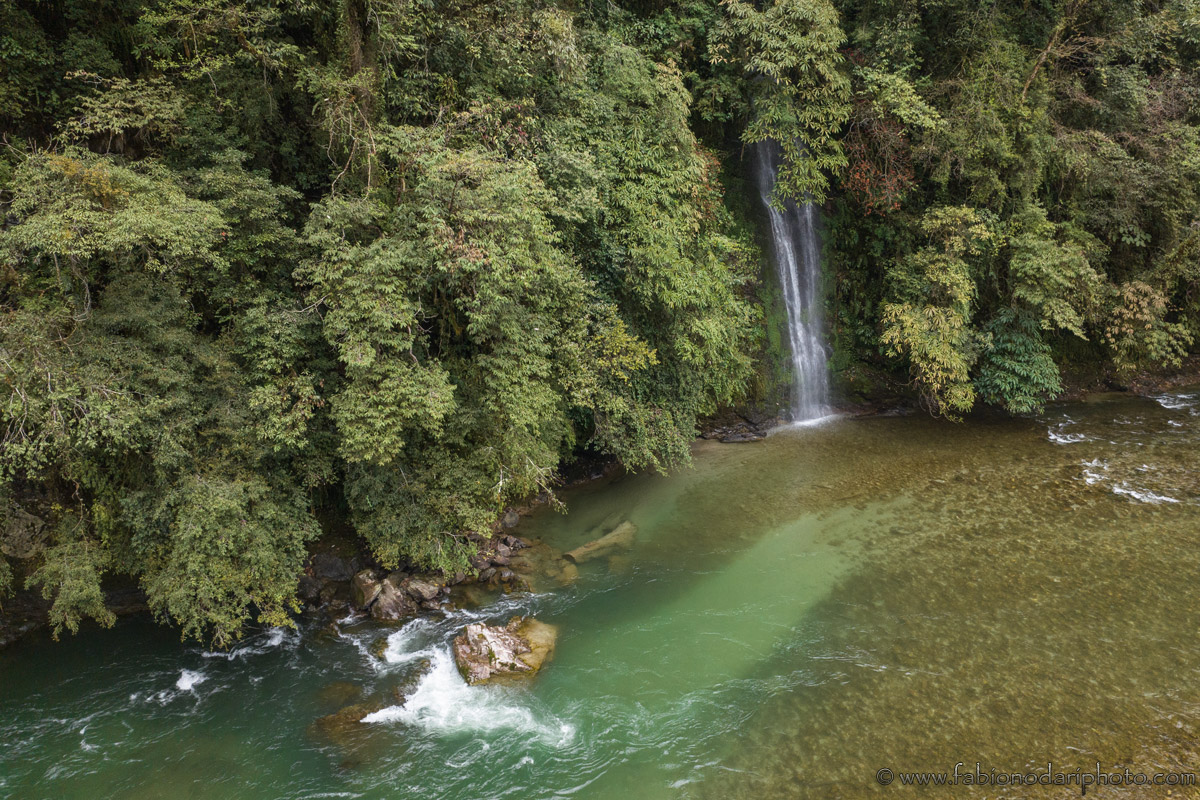
According to my sources, there are fewer than 5 women with tattoos who are still alive in the villages around Dulong. In total, I met four of them, one of whom (Li Wenshi) was the most famous: you can see her in pretty much all the promotional material in the area, including a gigantic poster of her with Xi Jinping.
When I visited the area, one woman lived in Longyuan Village (龙元村) and three others in Xiongdang Village (雄当). They are both located close to Dulong Village. By the time you read this guide, they might have moved to a different place, or some of them might have already passed away due to old age, so it’s essential to rely on your driver to have accurate, up-to-date information about the area BEFORE heading there.
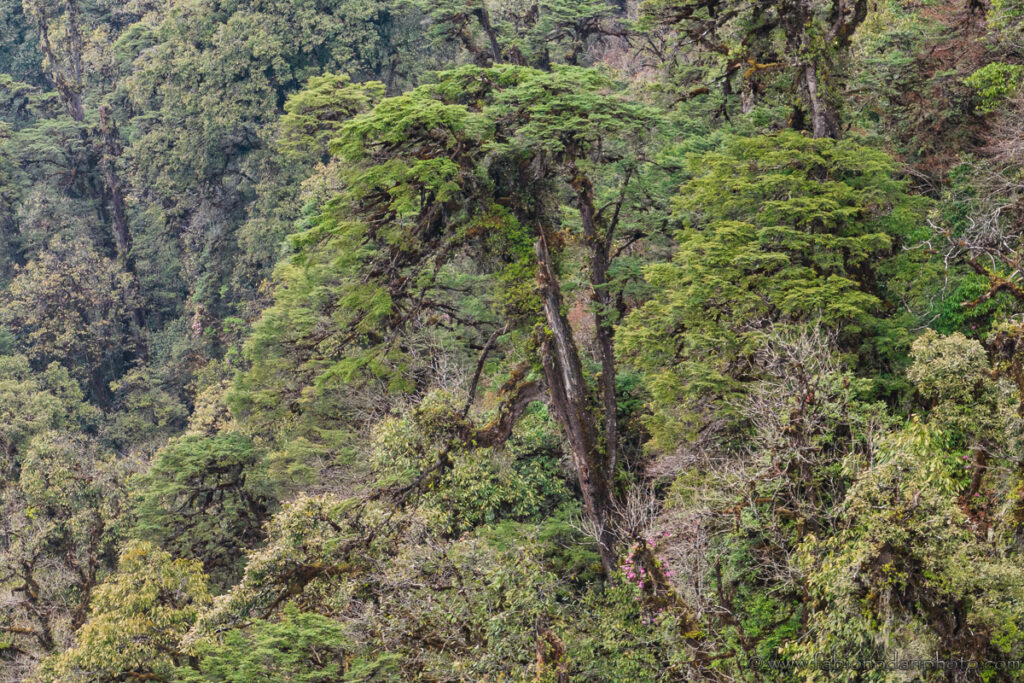
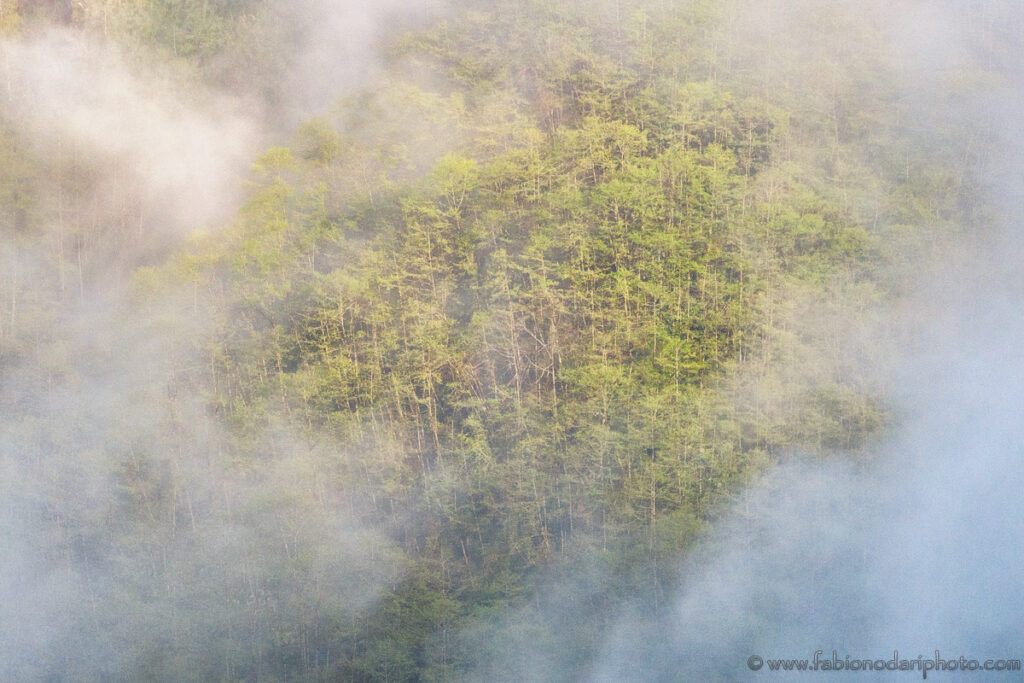
The last thing you want is to get all the way there only to find out that, for some reason, it’s not possible to meet these lovely ladies. This is a real possibility: on the way back, I found a few Chinese tourists who didn’t meet any tattooed women because they were not at home.
Thinking about my trip, I only now realize that I was pretty lucky because I didn’t have any of this info, and despite the lack of any arrangement, I managed to photograph them. Sometimes, being lucky is essential.
Final thoughts
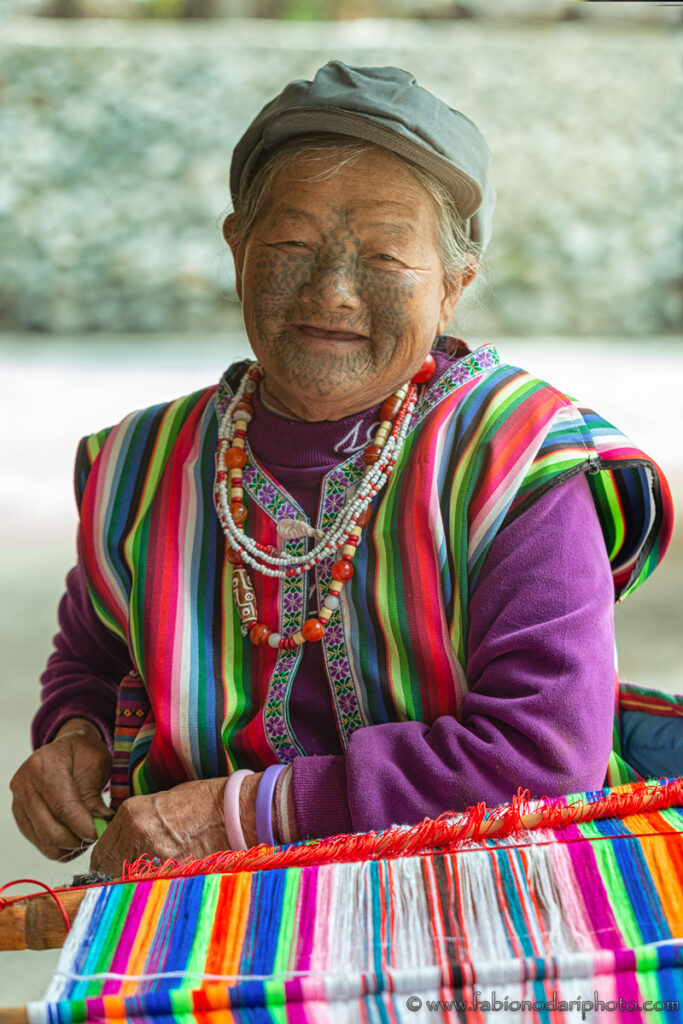
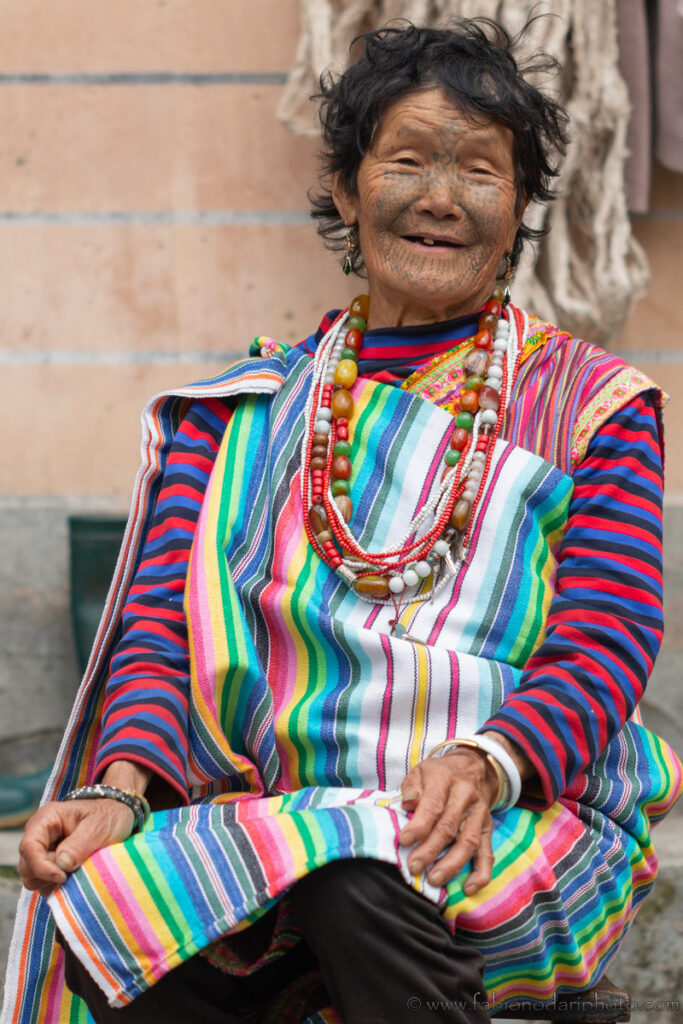
I feel incredibly blessed to have had the chance to meet these women. It’s a once-in-a-lifetime opportunity, and hearing their experiences firsthand was truly incredible.
This experience makes China, particularly Yunnan, such a fantastic place, and I’ll never tire of exploring its remotest corners.
It can be challenging sometimes to deal with the language barrier since no one speaks English, and most people in remote areas don’t even speak Mandarin. Logistics is also a challenge in China since as soon as you get out off the beaten path, there is a lack of information in English to help you arrange your trip. Finding info about public transportation (if there is any) is also a problem. On top of that, sometimes hotels refuse to host foreigners (just because).
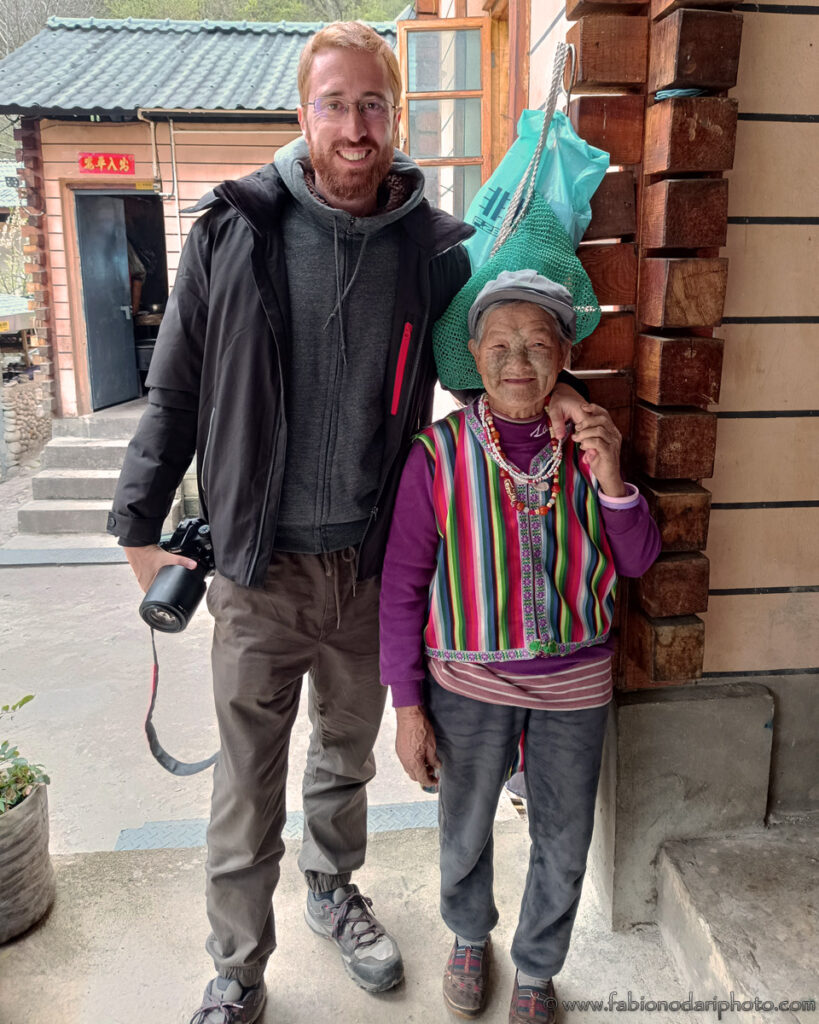
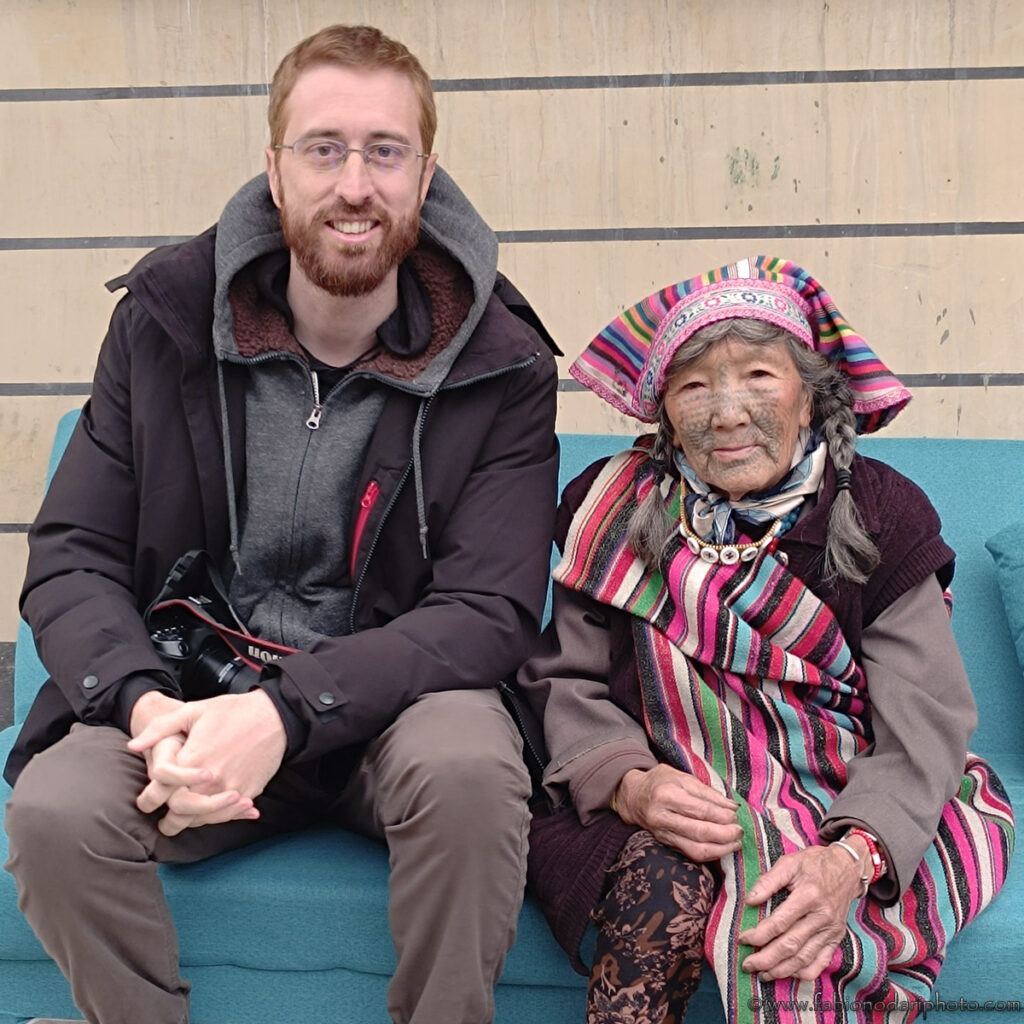
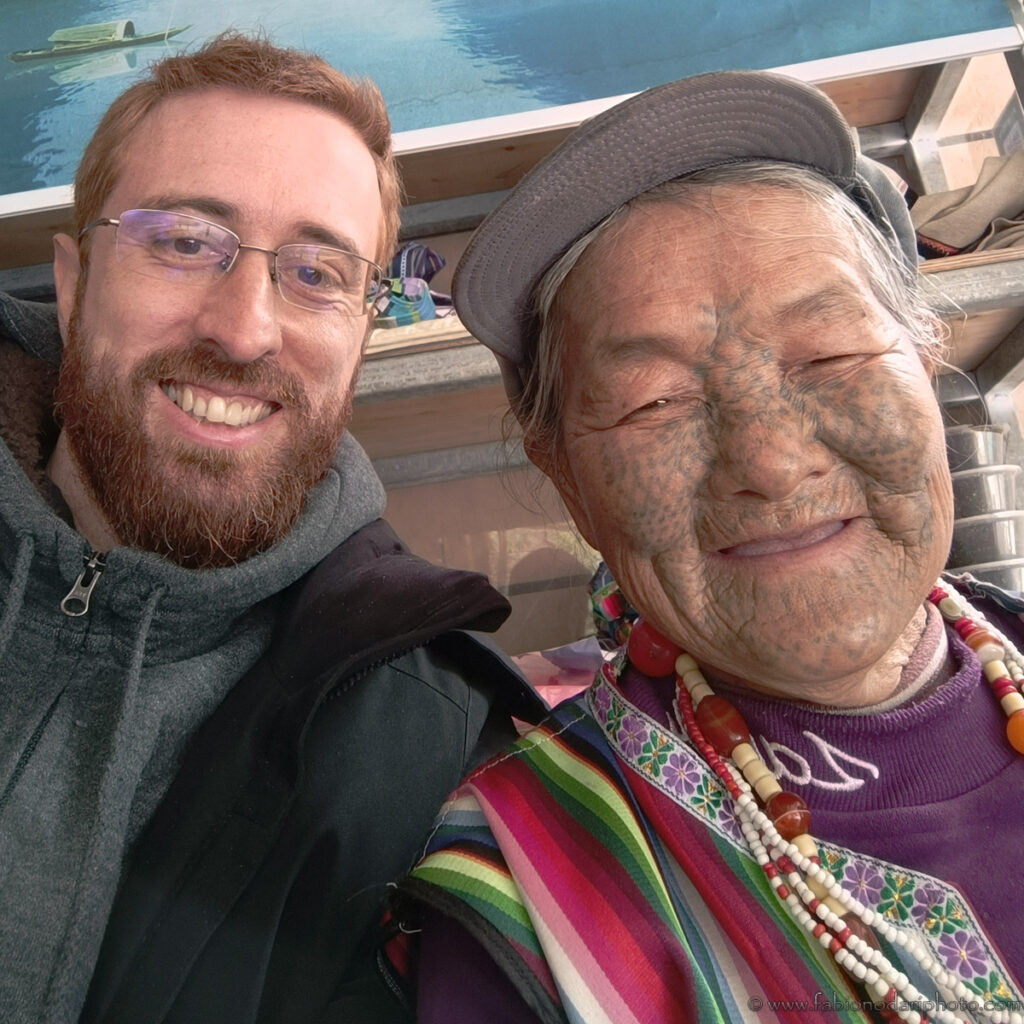
But if you dare to venture into these incredible places, you’ll be rewarded by welcoming people, incredible landscapes, and experiences that you will cherish forever and that very few other people (especially foreigners) have ever had.
Don’t forget to get a VPN before coming to China. If you prefer an eSIM, this one works well. This is a good Travel Insurance for China.
Here you can read another interesting story about a very unusual place: The Kingdom of the Little People.
Check out my China travel guide and some helpful information on visiting Tibet. Here, you can read my travel guide to Yubeng, a beautiful area near Shangri-La. Here is my guide to West Sichuan. Here are some more ideas for your Yunnan trip.


Very insightful, thanks for sharing! It’s a bit sad that these traditions are dying out but it’s probably for the better in a way, these are actually harmful/painful experiences
Hi Laura. Yes this was really cool to see but it was 100% bad for the girls who got tattooed. They couldn’t refuse it.
Wow, they might share the same ancestry with the Daai people in Myanmar. Women in the village where I was born have tattoos on their faces too.
Wow that’s quite incredible. Yes I thing the tribes might be related but I’m not 100% sure how closely.
Your stories are so beautiful and inspiring, please continue to share. Thank you
Thanks Roschelle! I really appreciate it.
Wow I am so excited and surprised to read Du Long Jiang information while searching article of Laos!
I have been to Du Long Jiang and stayed there three days in Dec, 2020. It was a memorable trip in my life and couldn’t forget the views on the way and out of Du Long Jiang. Amazing.
When I was in Du Long Jiang, I didnt visit tattooed women although I could have chance to see them. My driver even asked me twice. I felt sad that many people went to see them just for taking photos and laughed.
There is another good route that visit Du Long Jiang and Gong Shan. I flew to Shangri-La from Kunming, stayed over De Qing to see Meili snow mountain. Then my driver picked me up at De Qing then drove to Bing Zhong Luo. Views during that road trip was astonishing. I stayed in Bing Zhong Luo 3 days then headed to Du Long Jiang, then to Lao Mu Deng where you can see crown mountain. Then back to Liu Ku and ended Trip in Bao Shan.
Hi Ling. Yes I’ve heard that some people chose the route from Bing Zhong Lu and I’ve also seen pictures of that area and looks like a beautiful places. About the tattoed women, yes it’s a bit sad but at the same time you can be respectful like we did, ask them if they feel like to be photographed and we also always offered some money in exchange for their time. So it’s not really that bad.