
In this article, I offer my top recommendations for the best things to do and see in Singapore, one of the most incredible cities in the world.
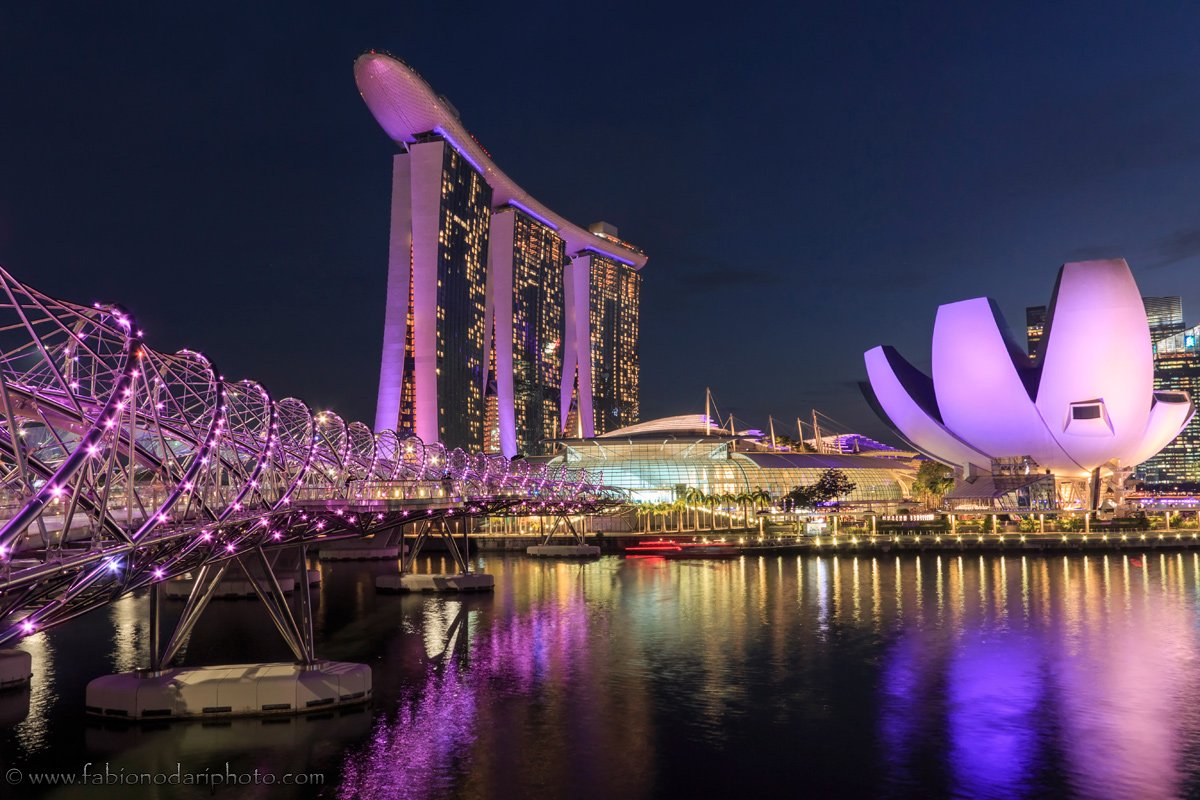
In my previous article, I talked a bit about Singapore and why it’s such a unique city: you can find the best of the Asian continent without all the typical problems of many Asian cities, such as chaotic traffic and pollution. The most incredible thing is that Singapore is one of the most densely populated places in the world.
The biggest downside of Singapore is that it’s a very expensive city. It’s hard to say if it is the most expensive in the world, given that the rankings are constantly changing, but it’s always at the top. If you plan to move to Singapore, remember that according to the government, Singapore is one of the most expensive cities in the world for expats. With that in mind, it is possible to visit Singapore without spending a fortune if you plan carefully.
Useful info to plan your trip

The two things that will mostly affect the cost of your trip are flights and hotels.
As far as flights are concerned, there is not much choice: Singapore has only one airport. The only option that might save you something is flying to Kuala Lumpur and then getting to Singapore by bus. In this way, you will have the opportunity to visit Malaysia and see two countries so close yet so different. That’s what I did since the flights to Malaysia were way cheaper than those to Singapore. If you also choose this option, remember that it takes at least 6 hours to get to Singapore by bus.
One thing I always recommend is getting a VPN and checking the flight prices from different IP addresses. This way, you can sometimes save a lot of money (remember to use the incognito browser mode).
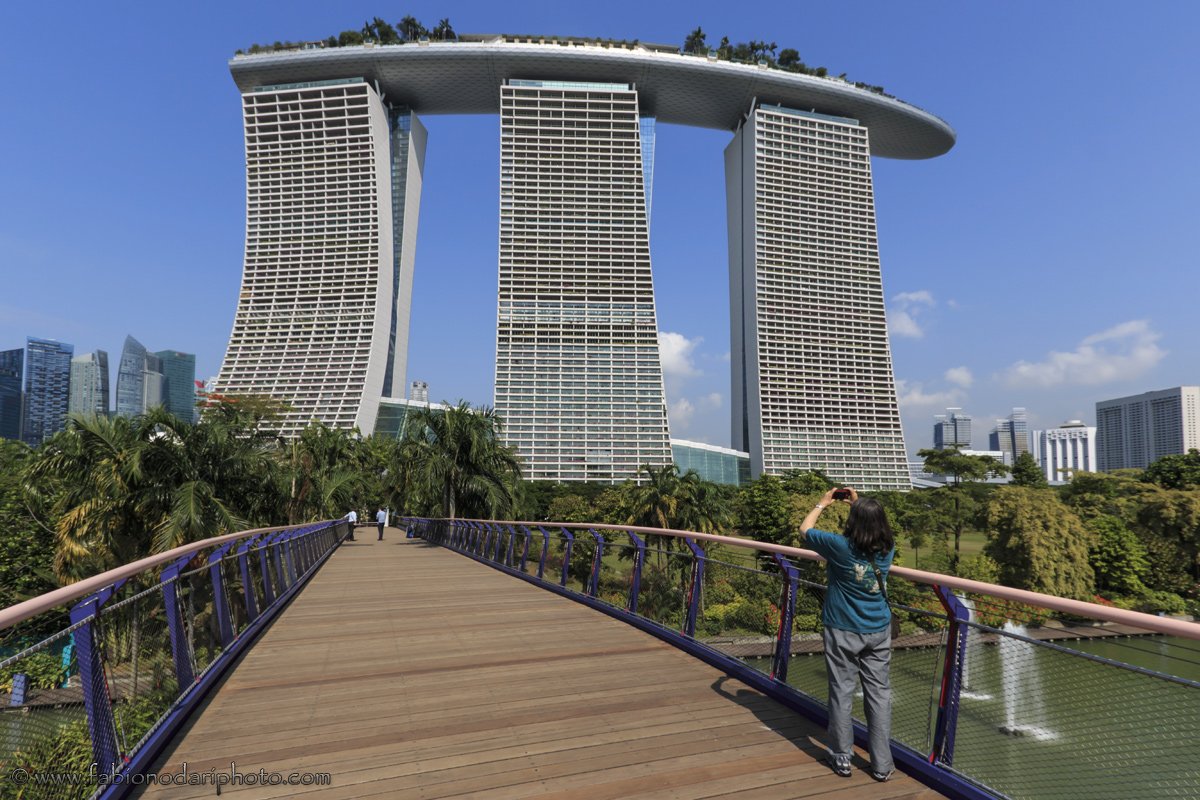
Singapore offers some of the most luxurious accommodation options in the world, such as the famous Marina Bay Sands, with an amazing infinity pool overlooking the city. However, spending at least 300$ for one night in a hotel is not an option for everyone. Booking.com offers much cheaper alternatives. Another app I use all the time in Asia is Trip.com. In any case, you will definitely spend more money than in any other Southeast Asian country.
I recommend booking your accommodation as close as possible to the subway (also called MRT) because Singapore is hot, and walking for 20 minutes every time you leave your hotel is not nice. The subway is convenient, so you don’t need accommodation in the city center.
Remember to have proper insurance when traveling around the island. I’ve heard some pretty bad stories from people who didn’t have coverage and ended up with huge hospital bills after getting injured. I’m not saying this to scare you, but accidents do happen, especially if you rent a scooter or explore remote areas. I personally use SafetyWing’s Nomad Insurance when I’m traveling. It covers medical emergencies, trip delays, and even lost luggage, and I like that I can buy it online even if I’m already abroad. It’s affordable and runs on a monthly subscription, so I can keep it active only for as long as I need.
When is the best time to visit Singapore?
Singapore does not really have a bad season, but some periods are easier than others. The city sits close to the equator, so you should expect heat and humidity all year. Temperatures barely change, usually hovering around 30°C during the day, and the real difference between months is rainfall and crowd levels.
If I had to pick the most comfortable time to visit, I would say February to April. These months are usually a bit drier, with slightly less humidity, which makes walking around the city more pleasant. It is a good period if you plan to spend time outdoors, visit neighborhoods on foot, or shoot street photography without constantly hiding from sudden downpours.
The wettest months are generally from November to January, when the northeast monsoon brings heavier and more frequent rain. This does not mean it rains all day, but storms can be intense and unpredictable. The dramatic skies can add a lot of mood to your pictures, though.
June to August is often promoted as a good time because of festivals and events, but it is also when humidity feels at its worst.
This is my recommended itinerary:
Merlion → Marina Bay Sands → Gardens by the Bay → Botanic Gardens → Orchard Road → Little India → Chinatown → Kampong Glam → Clarke Quay
Photographing the Merlion at sunrise and Marina Bay Sands

The Merlion is a statue with a lion’s head and a fish body, symbolising Singapore’s origins as a fishing village and its original name, Singapura, meaning “Lion City.” The best time to photograph it is at sunrise, when there are fewer tourists, though not necessarily fewer photographers, as I discovered.
The fountain that streams from the Merlion’s mouth only turns on after 7:00, so if you arrive too early, it may not be working. Interestingly, the current Merlion is actually a replacement from 1972; the original statue was smaller and stood closer to the mouth of the river.
When you finish taking pictures of this area, don’t forget to check out the nearby Marina Bay Sands, the most iconic place in Singapore, with its three towers and the boat-shaped SkyPark on top.
Gardens by the Bay
Gardens by the Bay is a nature park spanning 101 hectares of reclaimed land in the Central Region of Singapore, adjacent to the Marina Reservoir. The park consists of three waterfront gardens: Bay South Garden (in Marina South), Bay East Garden (in Marina East), and Bay Central Garden (in Downtown Core and Kallang). Gardens by the Bay is part of the nation’s plans to transform its “Garden City” into a “City in a Garden” to raise the quality of life by enhancing greenery and flora in the city.
It’s a really big area where you can spend a whole day. The three main attractions are the two futuristic greenhouses, which remind me very much of Jurassic Park, and the Supertrees Grove: tree-like structures that dominate the Gardens’ landscape with heights that range between 25 meters and 50 meters.
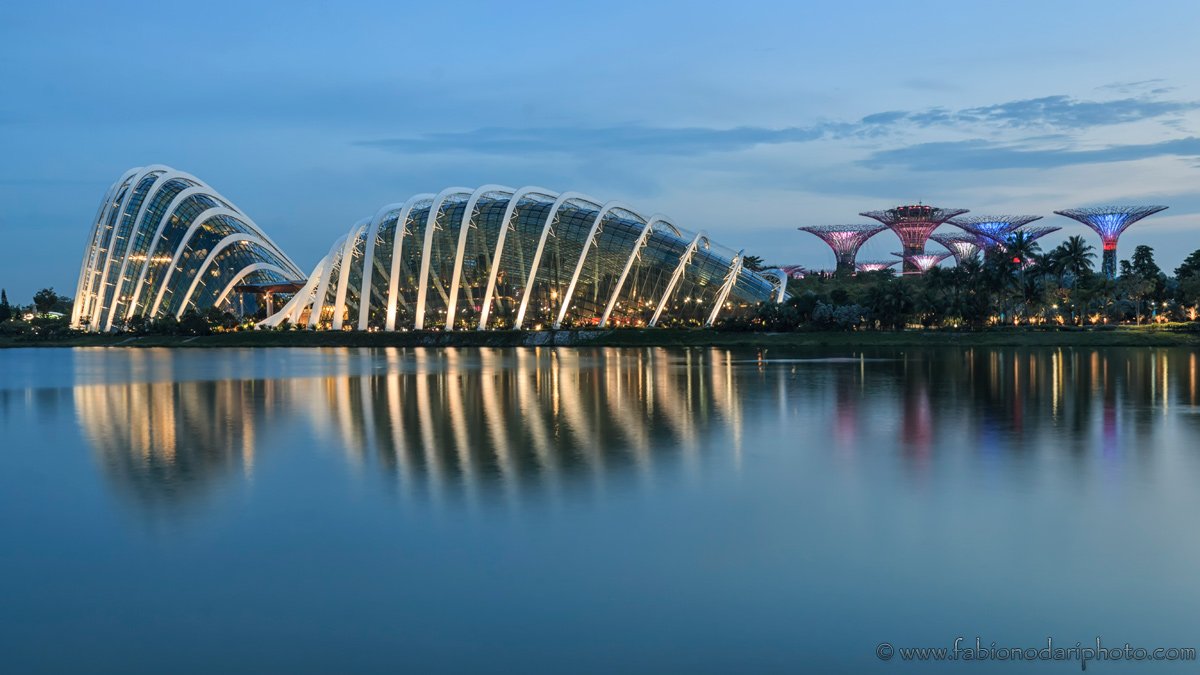
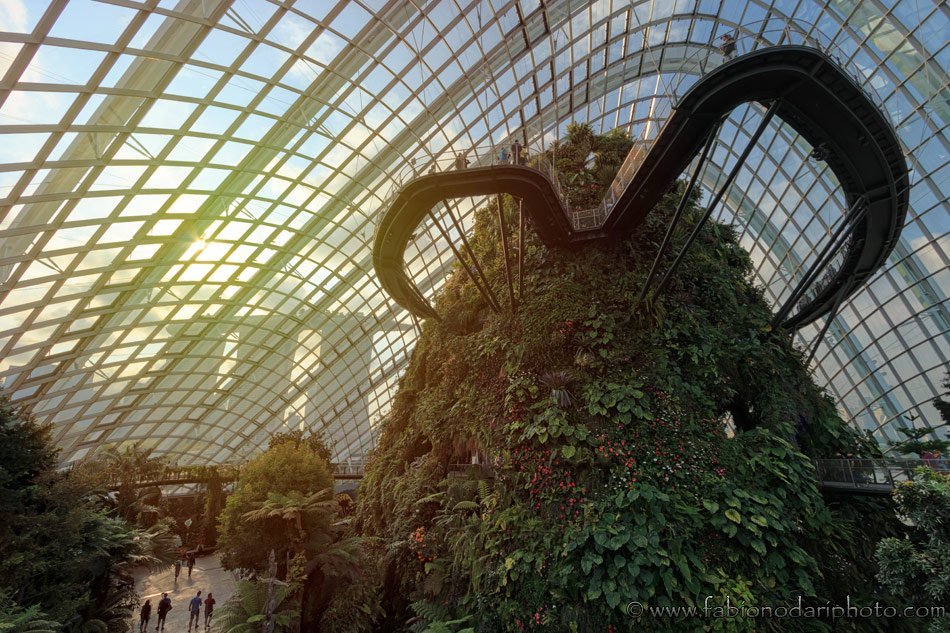
One of the two greenhouses is called Flower Dome and is the least spectacular of the two. The second one is called Cloud Forest Dome, and it’s incredible. Right after the entrance, you will see a huge man-made waterfall reproducing the cloud forest environment. Both greenhouses have air conditioning.
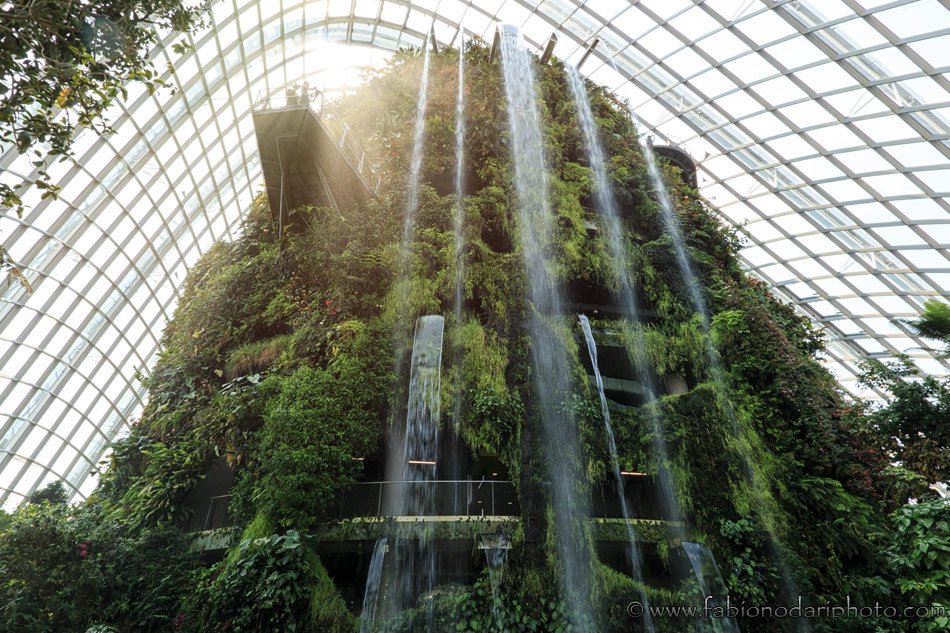
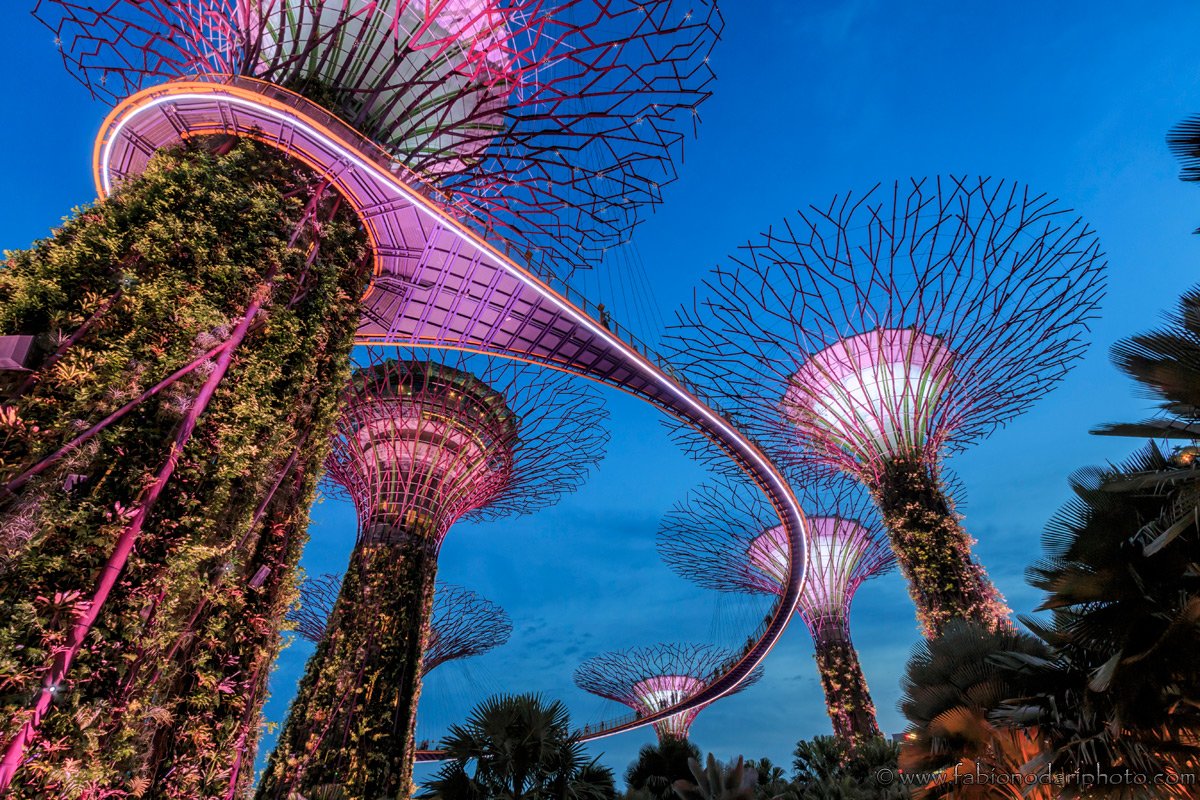
Every evening, there is a light show in the Supertrees area, which usually gets quite crowded. Although you’ll have to pay an entrance fee for all three attractions, access to the parking area is free.
Botanic Gardens
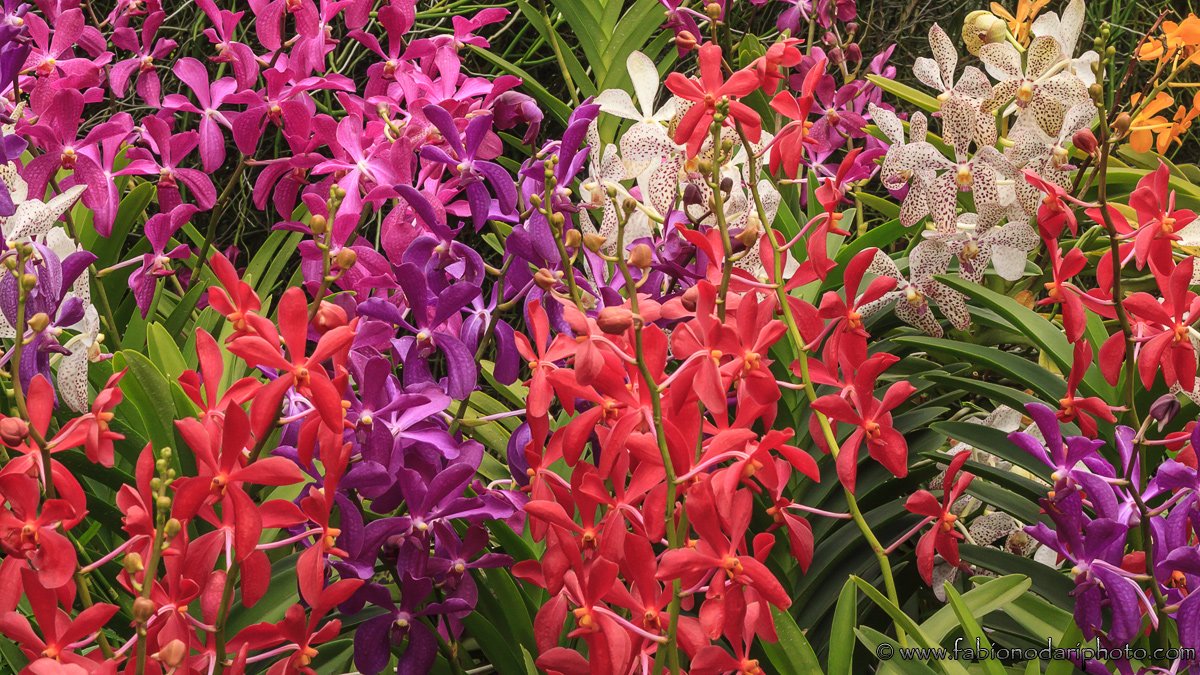
The Singapore Botanic Gardens is a nice break from the city and a UNESCO World Heritage Site. It’s big, but you don’t need to see everything to enjoy it. My favourite parts are the National Orchid Garden, which houses over 1,000 species and 2,000 hybrids of orchids, making it one of the biggest orchid collections in the world.
This area feels very different from the skyscrapers and busy streets, and getting there is simple. The Botanic Gardens MRT station on the Downtown or Circle line drops you right at the entrances. You can also take a taxi or Grab if you’re coming from Marina Bay or Orchard, about 15-20 minutes. If you’re near Orchard Road, it’s actually a pleasant walk too, so you can combine a bit of city and nature in one go.
Orchard Road
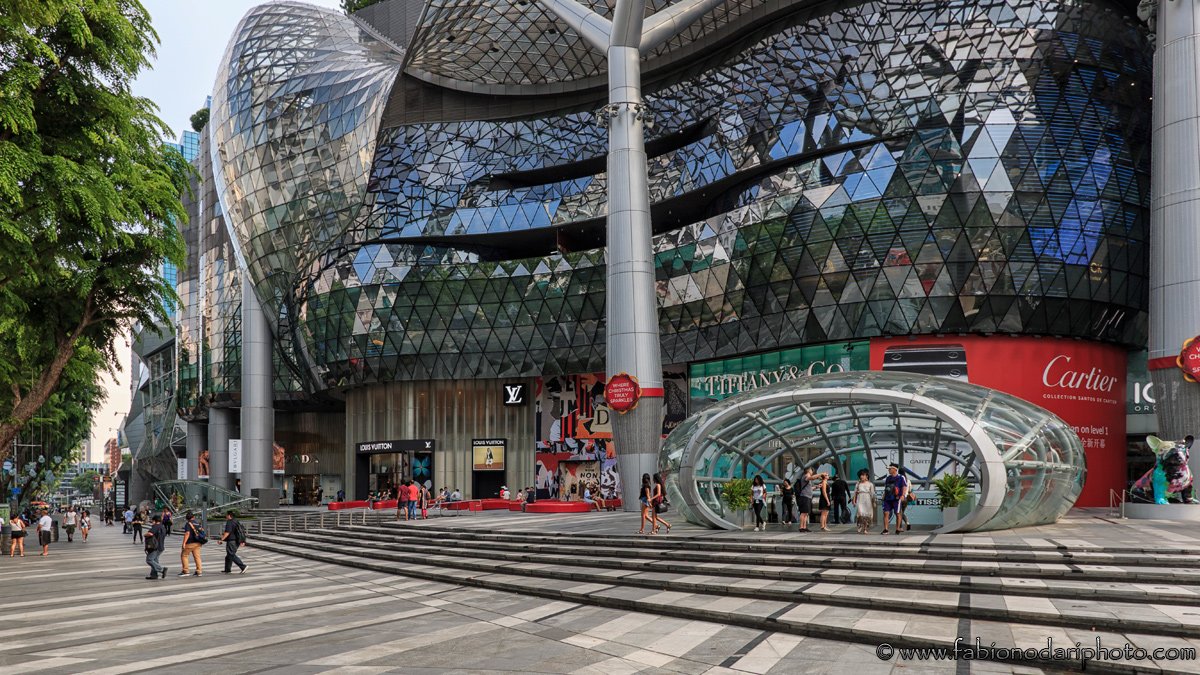
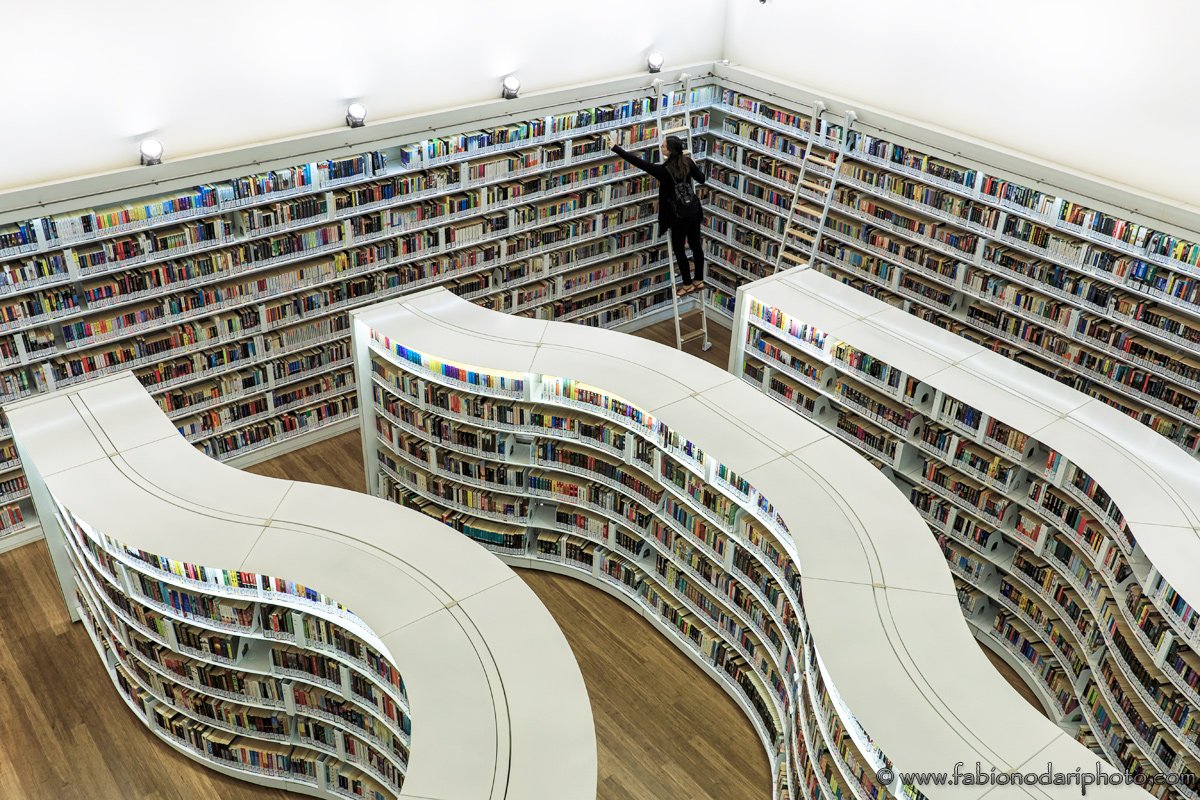
Orchard Road is a shopping street and a must-see if you love shopping. I went there mainly to visit the library at @Orchard Library to get a classic picture to post on Instagram. Getting around Orchard Road is easy. Most of the big malls are connected by sheltered walkways, so you don’t even have to worry about rain.
The Orchard MRT station puts you right in the middle, and from there you can walk north or south along the street. If you want a break from the crowds, there are small side streets and parks tucked in between the malls where you can pause and take a few photos.
Little India
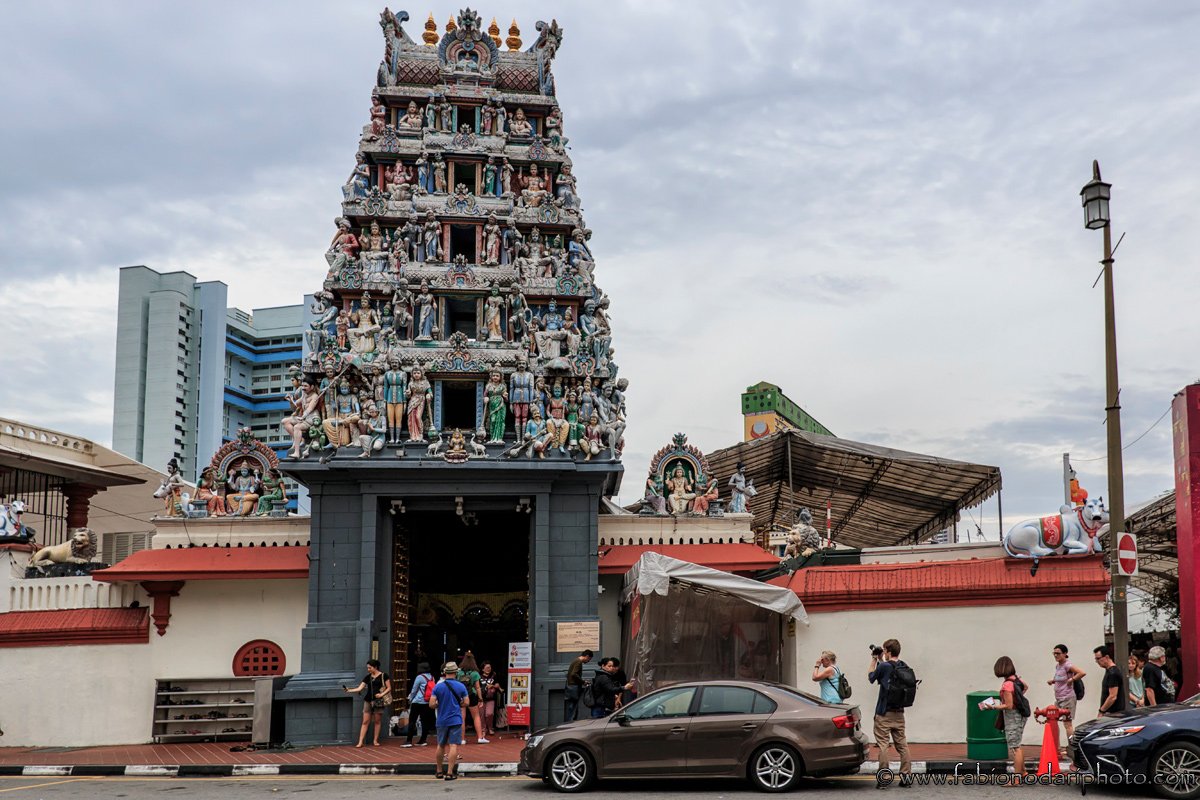
Little India feels like a completely different world compared to the rest of Singapore. The streets are packed with shops selling everything from spices and fabrics to gold jewelry, and the temples add a sense of calm amid the chaos. The area has a very local vibe, and you can feel the culture through the food, the markets, and the small shops tucked into every corner.
Getting around Little India is easy on foot since it’s a small area of the city, and you can explore most of it in a couple of hours. The Little India MRT station drops you right in the heart of the neighborhood. If you want to stop for a meal, the Tekka Centre is the place to go: it’s a busy hawker market where you can try Indian dishes and some local snacks.
Don’t miss the famous Sri Veeramakaliamman temple, dedicated to the goddess Kali.
Kampong Glam
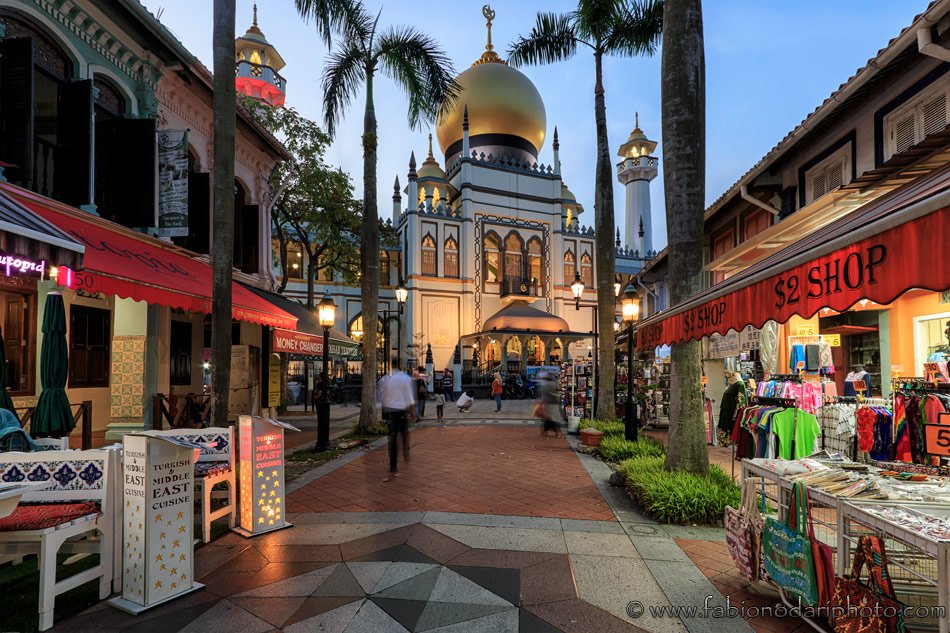
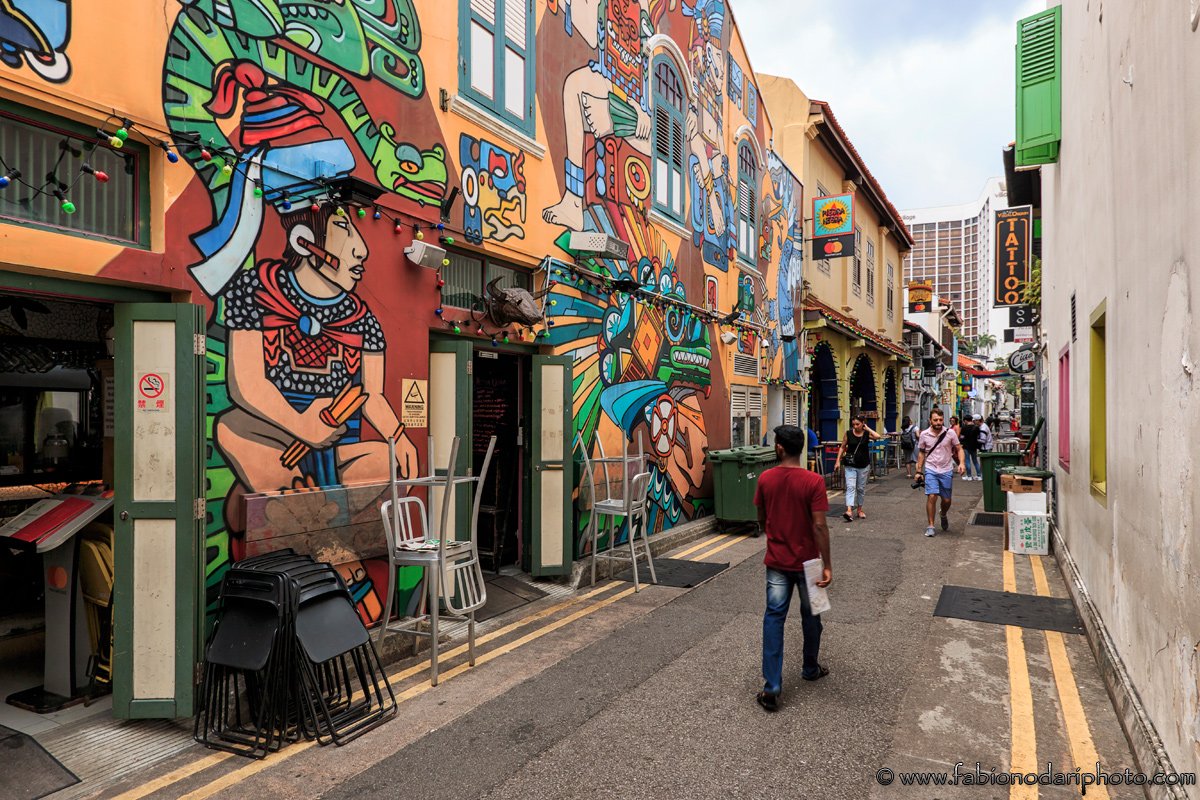
Kampong Glam is one of Singapore’s oldest neighborhoods, known for its rich Malay and Muslim heritage. Historically, it was the district where Malay royalty and Muslim immigrants settled, and today it’s famous for the Sultan Mosque, colorful shophouses, boutique shops, street art, and trendy cafes. This area has some of the best middleeastern restaurants I’ve ever tried in Asia, although they all tend to be quite expensive.
In the same area, you can find Haji Lane, a small alley famous for its nice murals and characteristic bars and restaurants. Please get there in the late afternoon or the evening. Not in the morning.
Chinatown

Chinatown is one of the most interesting neighborhoods in Singapore, full of narrow streets, colorful shophouses, and a mix of traditional and modern culture. Walking through the area, you’ll find temples, markets, and street food stalls all packed into a small space. This area is particularly good for photography at night, when all the old signs and lanterns are lit.
It’s a busy area, but it has a lot of character, and you can really feel Singapore’s history here. Interestingly, some of the shophouses date back to the 19th century, and many have been carefully restored to preserve their original architecture.
Don’t miss Buddha Tooth Relic Temple, which is impressive inside and out, and the Thian Hock Keng Temple, one of Singapore’s oldest Hokkien temples.
Clark Quay
Clarke Quay is a riverside district, known for its nightlife, restaurants, and colorful warehouses along the Singapore River. During the day, it’s a nice spot to stroll, take photos of the restored colonial-style buildings, and watch the boats on the river. In the evening, the area comes alive with lights, music, and crowds enjoying the bars, clubs, and restaurants.
Clarke Quay is also the starting point for river cruises, which offer a unique view of the city skyline from the water. It’s a mix of history, entertainment, and modern city energy in one compact area.
Enjoying an evening in one of the city’s exclusive bars
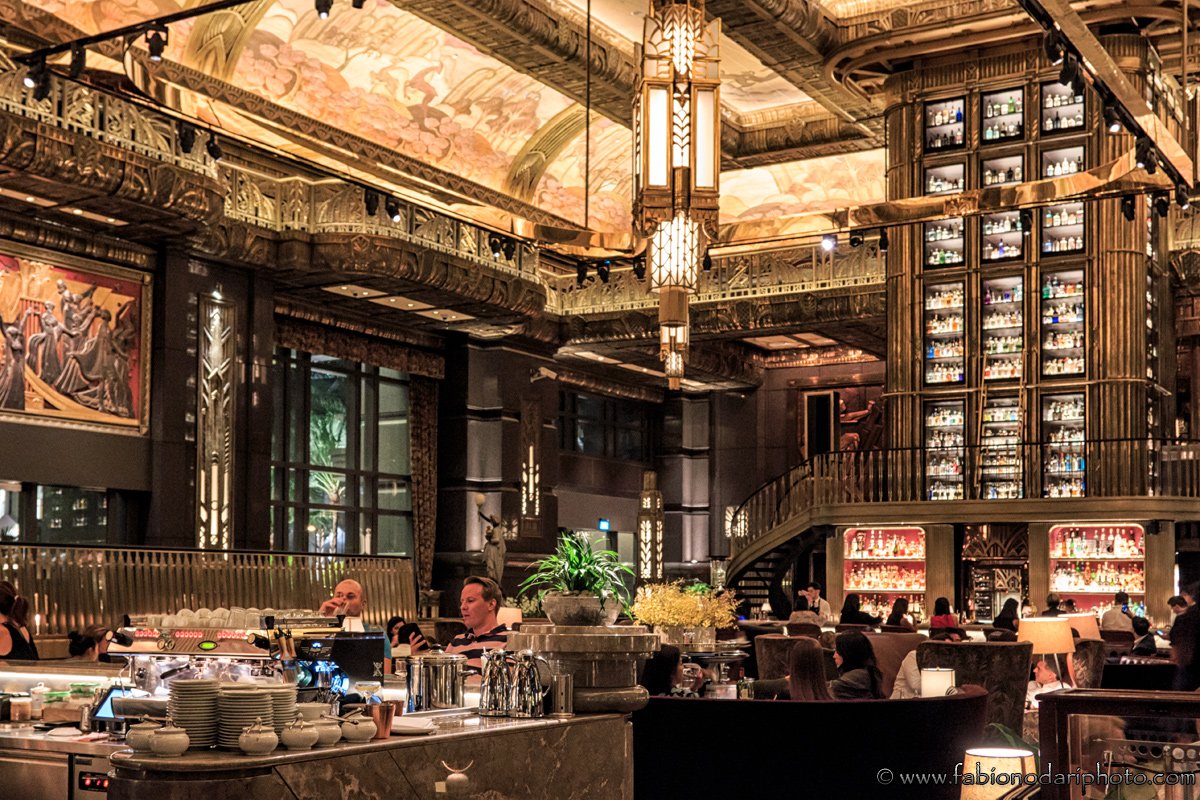
Singapore is a city for rich people, so there is no shortage of exclusive locals. Unlike other cities in Asia, access to most rooftop bars is not free of charge, and you’ll have to reserve a table at least a day before.
One of the most unique places in the Atlas Bar, which has the world’s largest collection of Gin types: over 1000 (you can see the bottles in the picture above). Another place I wanted to visit, not so much for the overpriced cocktails, but for the view, one of the best in Singapore, is 1 Altitude. Unfortunately, I didn’t make it because no more tables were available.
Enjoyi the sunset

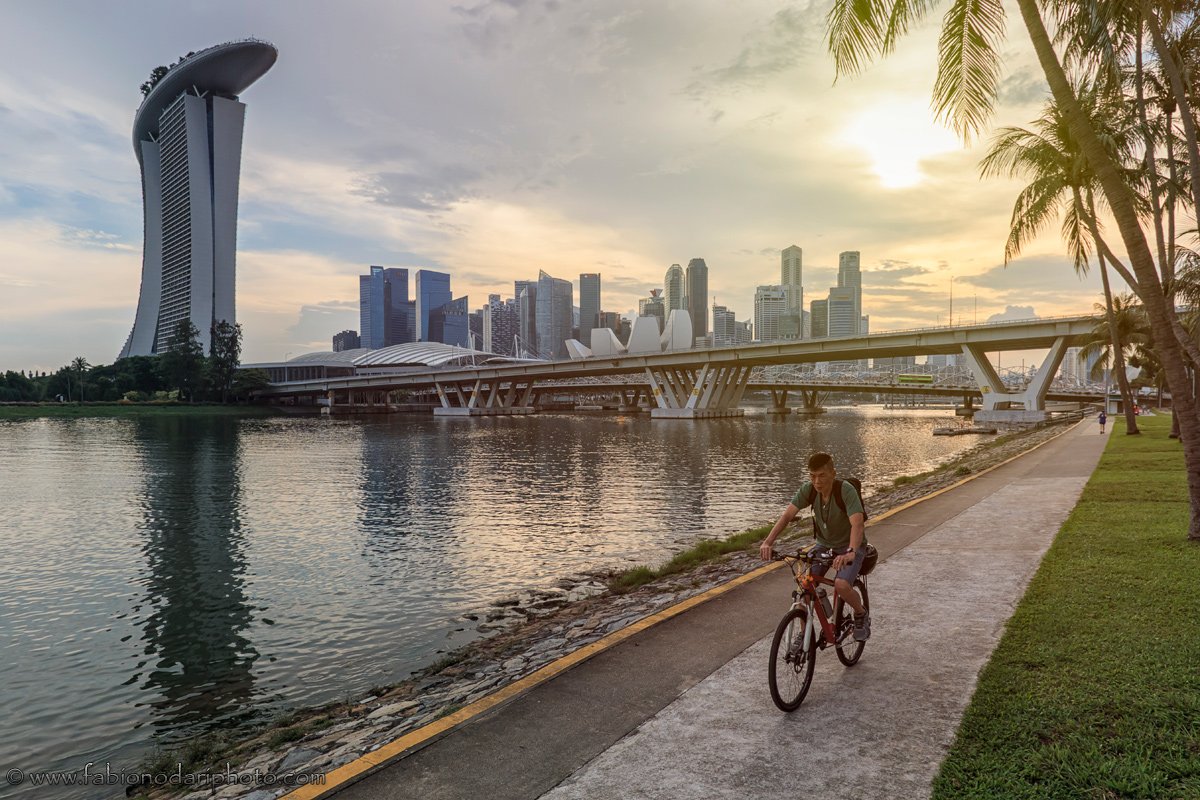
The Singapore skyline is one of the most beautiful and photogenic in the world. A pedestrian street runs through the entire Marina Bay Sands, Gardens by the Bay area, and reaches as far as the Singapore Flyer. Towards evening, when the heat is less oppressive, it fills up with people jogging or enjoying the ocean breeze.
This part of the city is probably the one I liked the most. Unlike other metropolises like Hong Kong, where you always feel a bit claustrophobic because of the enclosed spaces and the incredible number of people, I never felt that way in Singapore. Especially around the bay area, the most spectacular part of the city, I often found myself alone.
The food in Singapore
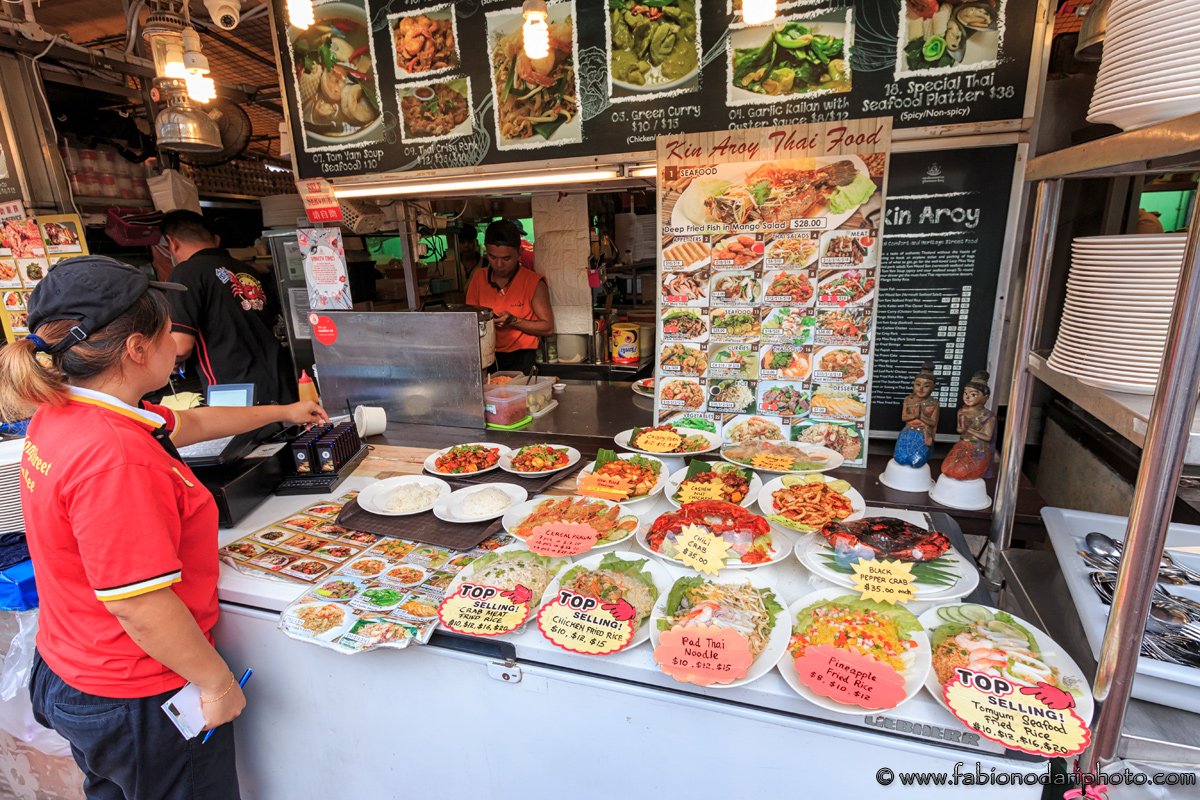
After spending some time in different Asian countries, I have to say that Singapore is unrivalled, at least in my opinion. You can find the best Asian food, and the average quality of restaurants is high. The restaurants are often very clean and have big signs pointing out that harmful products such as MSG are not added to the food.
It is no coincidence that the best chefs worldwide have opened their restaurants in this city. Of course, you can’t expect street food prices like in China or Thailand, but if you’re looking for something cheap, you can find cheaper restaurants.
Final thoughts
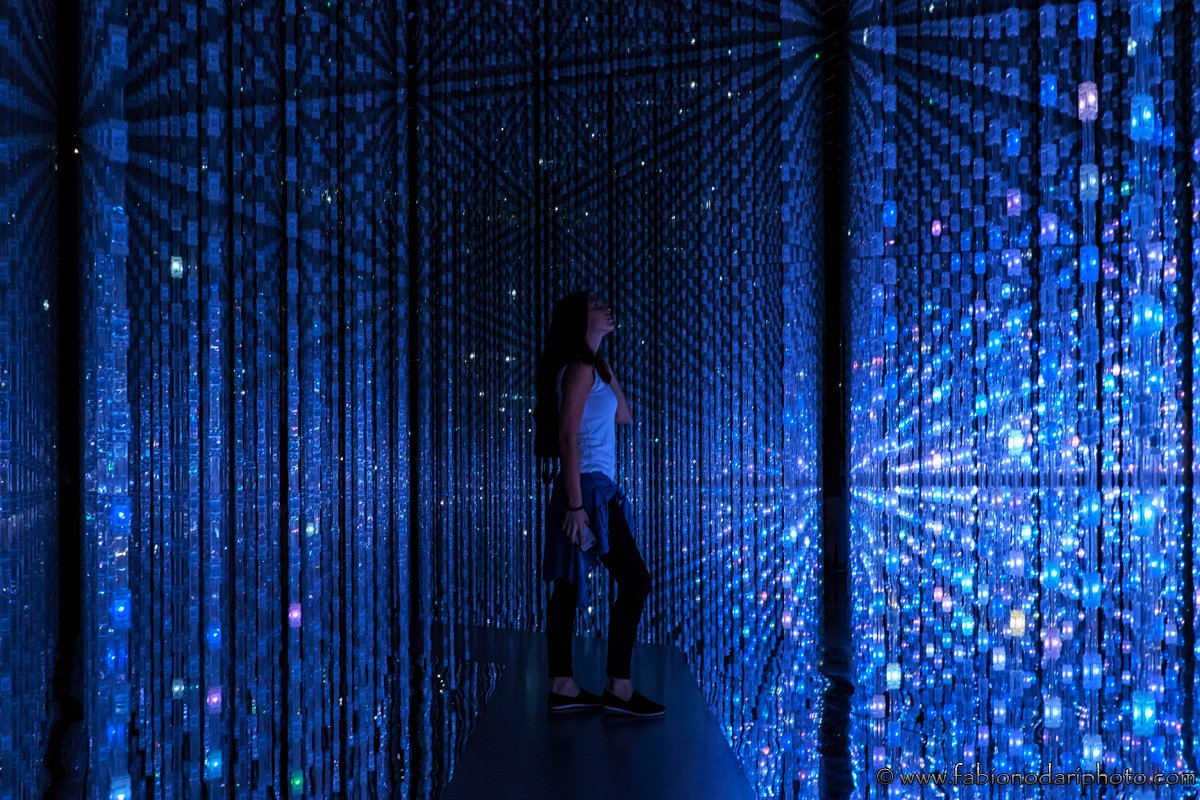
While waiting at the Customs on the Malaysian-Singapore border, I chatted with an Italian man. He was surprised I decided to spend 5 days in Singapore as if nothing was interesting there. Singapore is one of the few cities, together with Rome, that I would visit again. It’s a dynamic city with much to offer, even to people with different interests.
In this article, I mentioned some of the many things to see in Singapore, but maybe I didn’t mention the most important thing: Singapore is the future. It represents what cities will perhaps become one day when it becomes increasingly evident that preserving the environment is essential for our survival and is also a good economic investment. Singapore is a green city where sometimes you feel that nature has taken over and is reclaiming urban spaces.
Having said that, I know that Singapore is not a city for everyone: the temperatures are very high all year round, the city is very expensive, and some people prefer to visit remote places rather than modern megacities. In my opinion, though, it’s worth visiting Singapore at least once in your life.
Here are more pictures I took in Singapore. Here you can find my Chongqing travel guide.


