
Xingping (兴坪) and Yangshuo (阳朔) are two of the best destinations in China for photography. In this article, you can find my complete guide on where to take the best photos.
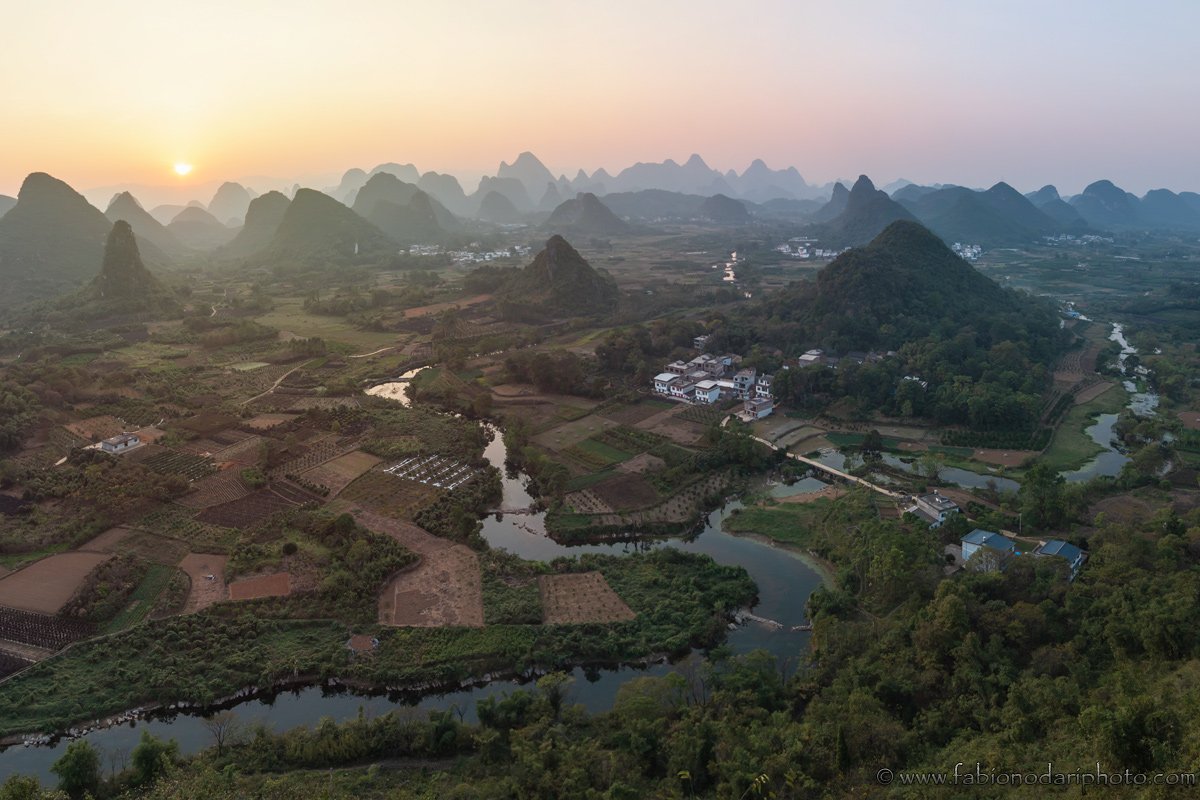
I wrote a complete travel guide to Yangshuo and Xingping in my previous article. However, I didn’t go into much detail about the best spots for photography. That’s precisely what I’ll focus on in this post. If you’re looking for general information, like where to stay or how to get around, be sure to check out the previous guide.
Best places to take pictures in Xingping (兴坪)
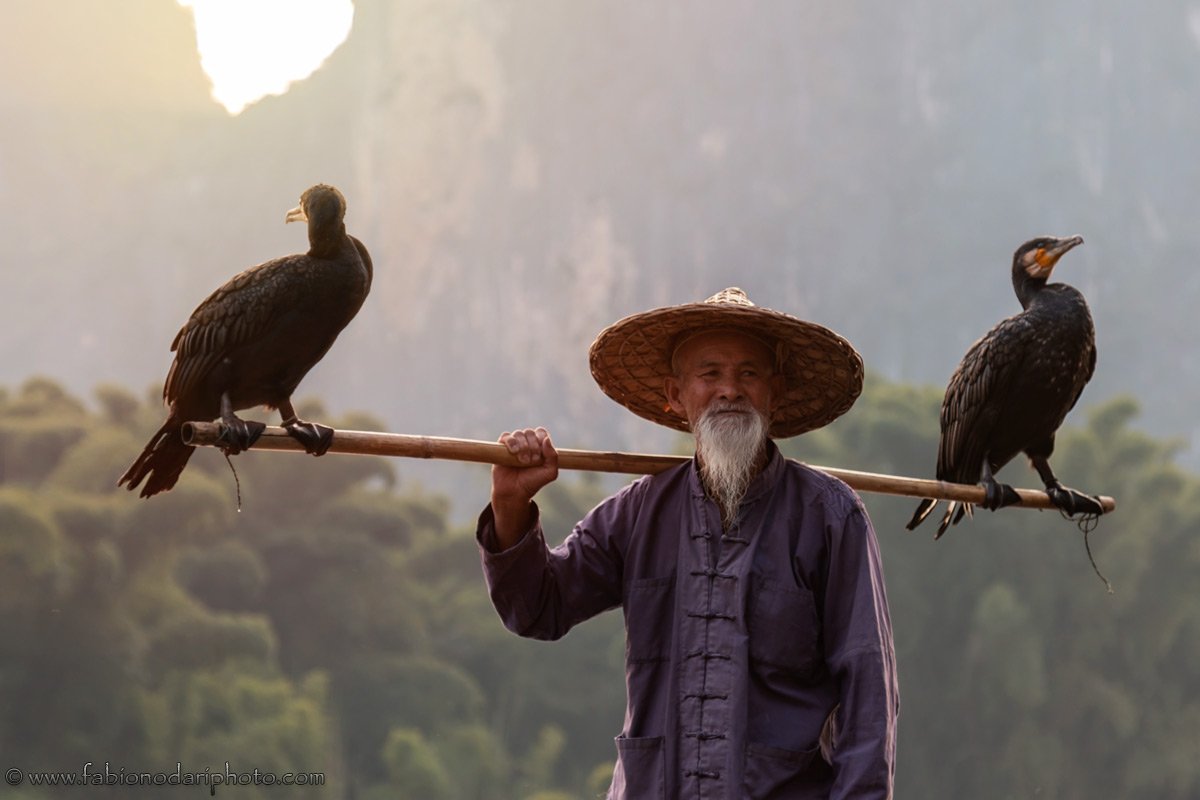
Xingping is one of the best places in China to take pictures. You can find the characteristic karst landscapes with the Li River and the famous cormorant fishermen all in the same place. I recommend you spend at least 2 nights in Xingping, as there are at least two places to shoot the sunrise.
The cormorant fishermen
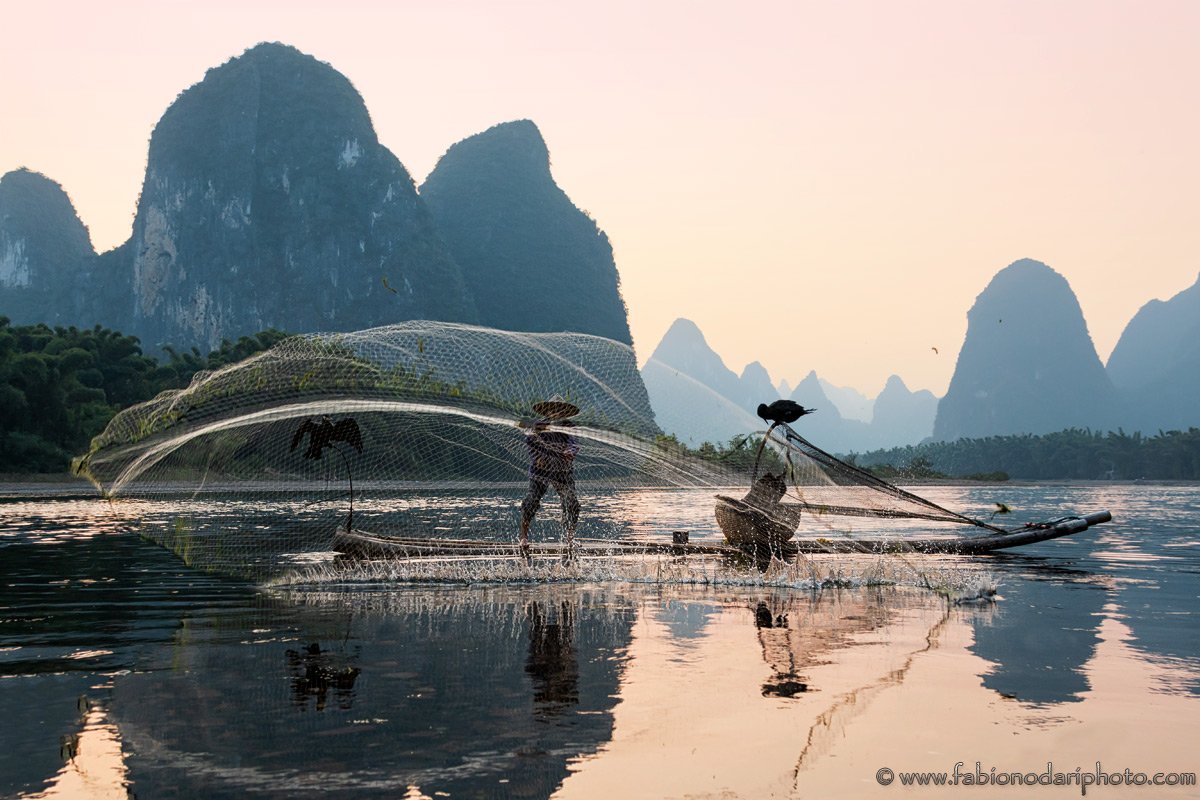
You have two options if you want to take pictures of the cormorant fishermen. You can try to organize the photo session by yourself, maybe ask for some help at the hotel where you stay, or you can rely on one of the many local photographers who will take care of everything. The main difference is the price. The fishermen charge about 300RMB per session (400RMB if you want them to use the net, as shown in the picture above). If you hire a local photographer to arrange the photo session, you can expect to pay at least twice as much.
Pro tip: if you see another photographer while you are in Xingping, you can ask him if he is interested in photographing the fishermen, so that you will share the cost. That’s what I did.
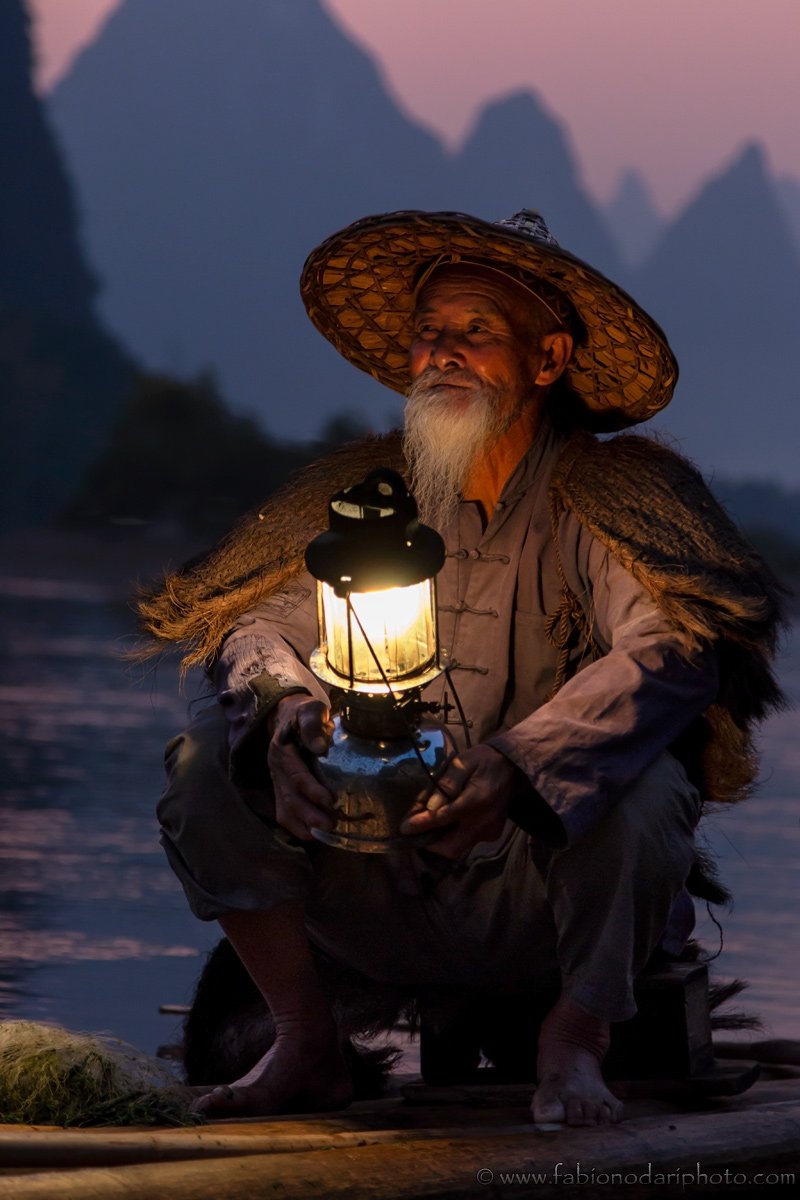
Fishermen are used to working with photographers, and you most likely won’t have to tell them anything, but hiring a local guide can be helpful if you need to communicate with them since they can’t speak English.
Besides being almost 90 years old, the fisherman I photographed was almost completely deaf, so communication was quite challenging.
You can choose whether to take pictures at sunrise or sunset. I chose the sunset because I had planned to shoot the sunrises in a different location. The fishermen will stay a short distance from the main pier of Xingping, so in the evening (towards sunset), many boats will pass by in the background.
It will also probably happen that other photographers will try to sneak in and take some shots behind you, but the fishermen will tell them to stop (quite aggressively).
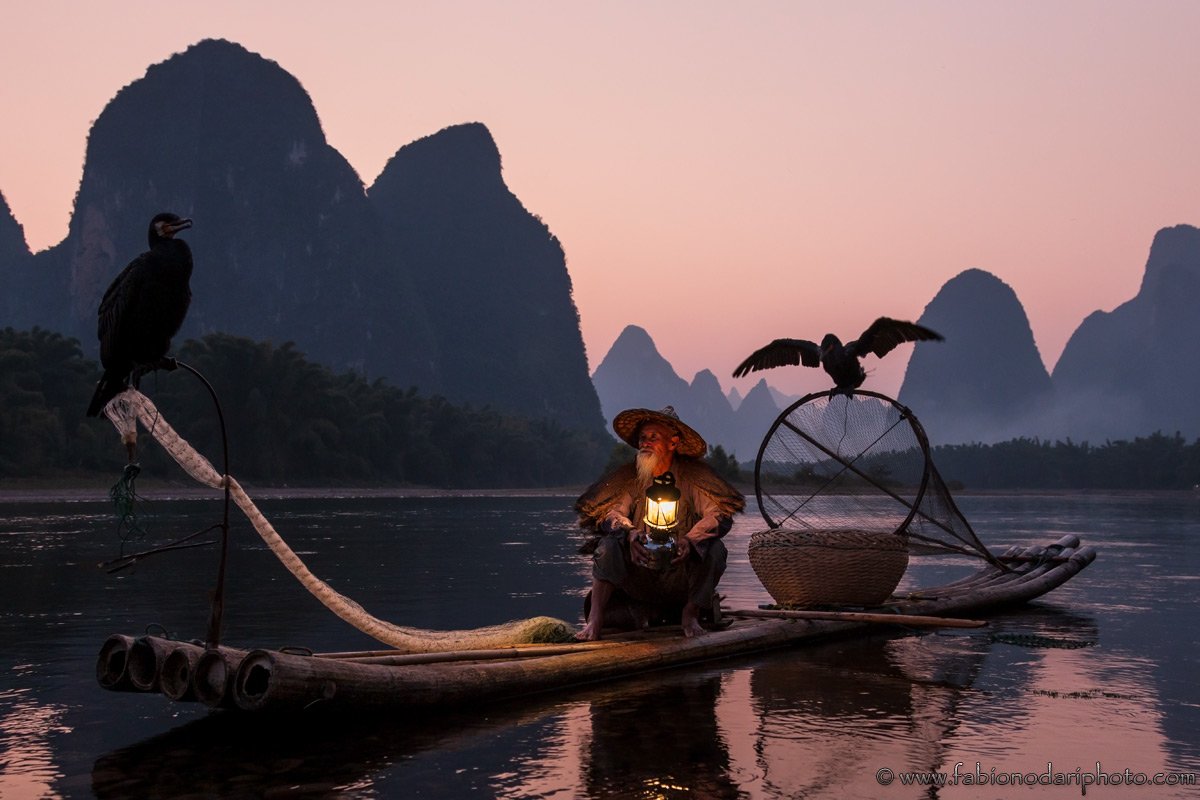
Taking these pictures will probably not be the most authentic experience, but that doesn’t mean it isn’t worth the effort and the money. Also, remember that this is the only place in the world where you can see these fishermen with the iconic karst hills.
Regarding the photography gear, remember that the sun sets quickly, and having a prime lens and a camera that performs well at higher ISOs will make a difference.
Sunrise at Xianggong Hill (相公山)
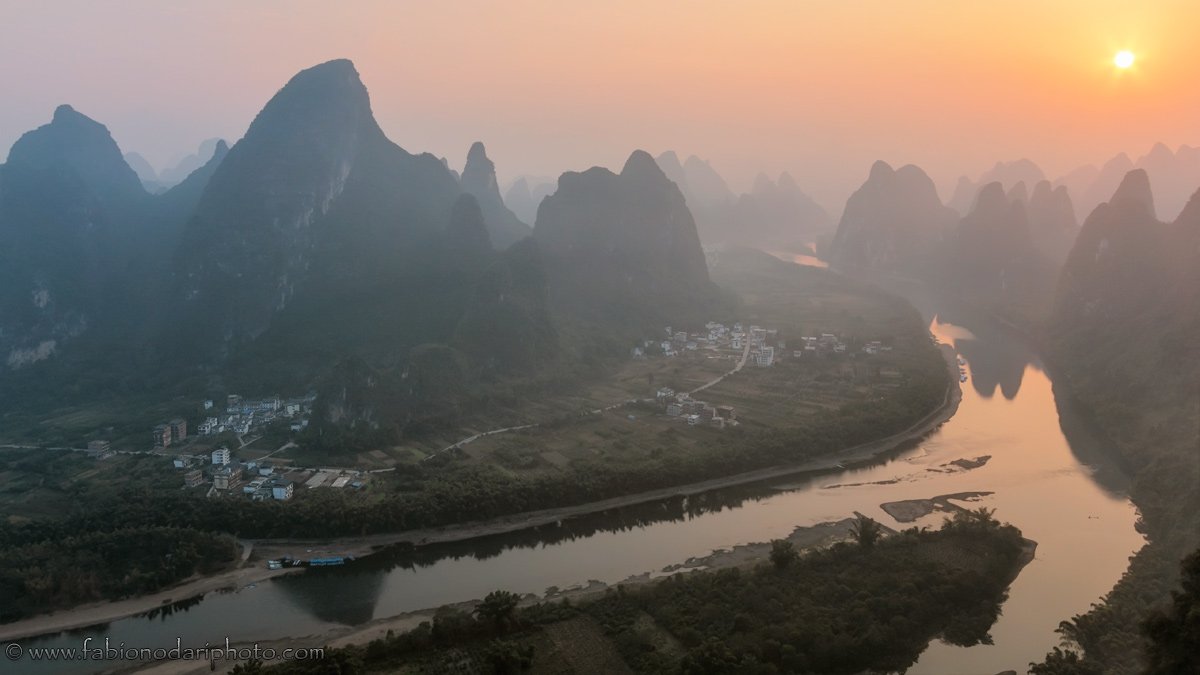
Xiangong Hill is the most popular location to shoot the sunrise in Xingping, which means you’ll find hundreds of photographers. The composition is quite forced, but the landscape is still fantastic. Get ready to get up very early in the morning. I arrived an hour before sunrise, and all the best spots had been taken.
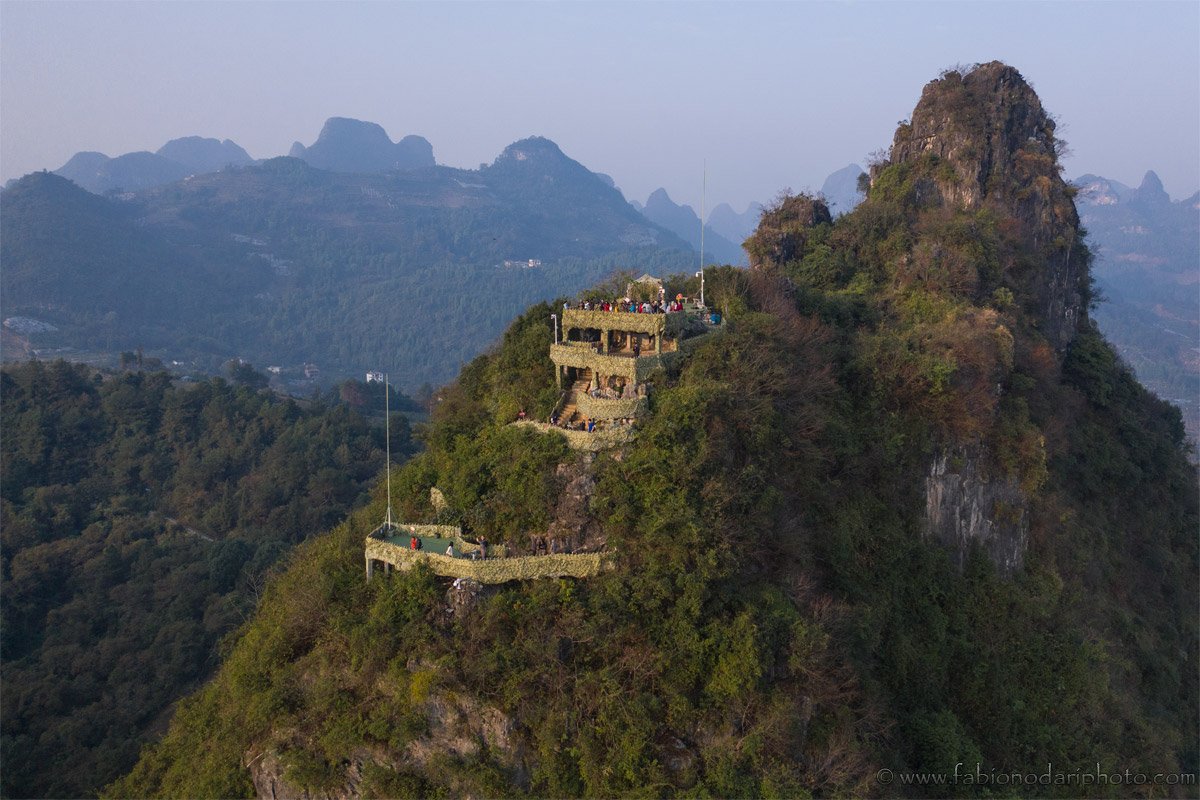
As you can see from this photo, there are several terraces (this is very common in China in places to photograph the landscape), and the best shot is from the top terrace.
To access the mountain, you must buy a ticket; it takes about half an hour to get to the top, and the whole trail is made with concrete steps (this is also very common in China). As for the equipment, you will need a tripod, a wide-angle lens, and a longer lens.
Sunrise in Damianshan (大面山)
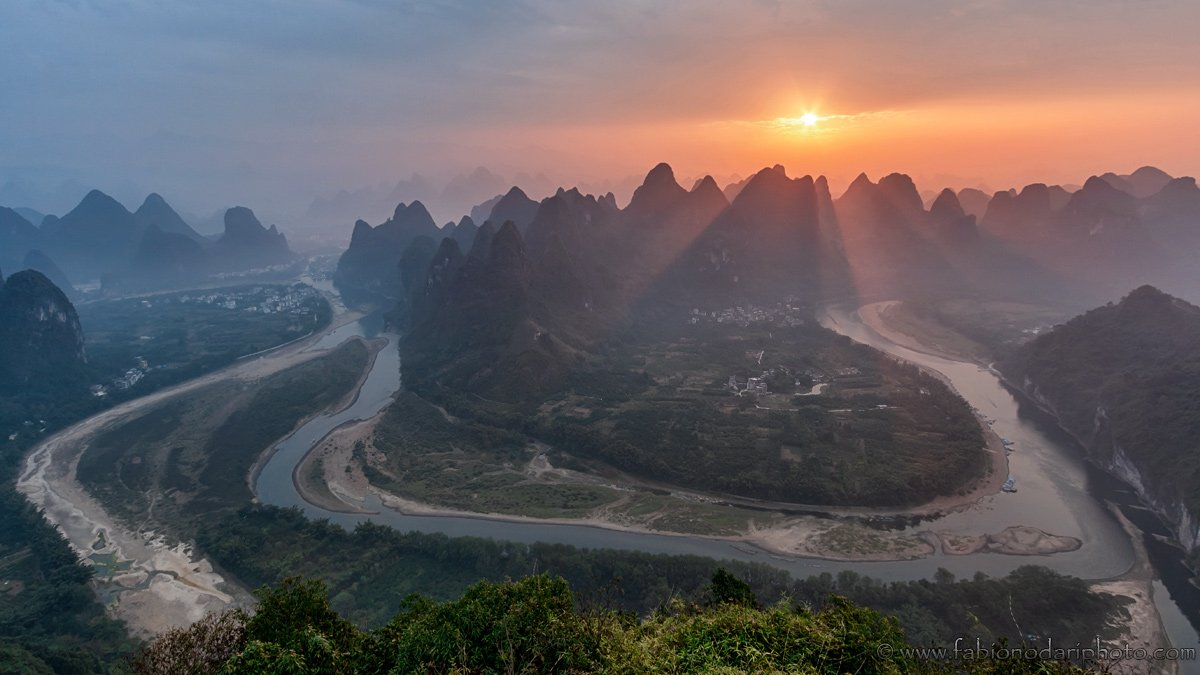
Damianshan is “my secret place”; honestly, it’s also the place with the best view of the Li River. Hardly anyone knows about it, and if you decide to get there, you won’t find many other tourists.
The main reason it’s not so famous is that it’s hard to find and quite tiring to get to the top of the mountain. The best way to find him is to stay in this guesthouse owned by the man who built the path that leads to the top of the mountain (he spent his own money to do it, and he doesn’t even ask to pay an entrance fee, unlike Xianggong Hill).
Even if you book a different guesthouse, I recommend using Trip.com over Booking since it offers more options and they are also cheaper. You can find more info on my China travel guide.
To avoid getting lost while it was still dark, I decided to hike the mountain the day before the shooting. Finding the path is not too difficult in daylight, but it’s not that easy in the early morning. So my suggestion is to either do what I did or ask to be accompanied early in the morning by someone working at the hotel I mentioned before, but it might cost you up to 200RMB.
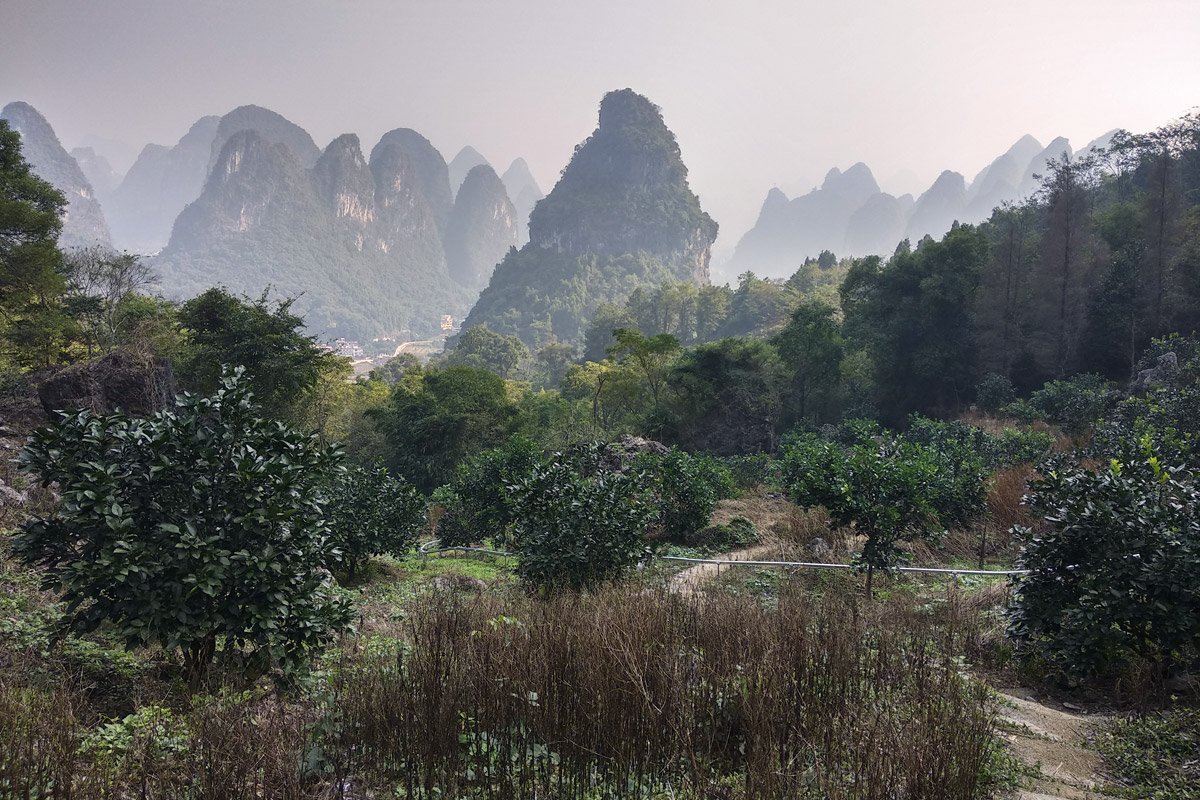
If you want to go alone, once you arrive at the guesthouse, ask someone working there to show you the beginning of the trail (about 5 minutes from there). Keep following the trail. You’ll be surrounded by pomelo and lime trees for the first part.
After about 20 minutes, you will reach the end of the area where the pomelo trees grow and enter a small groove. After 5 minutes, you will get to the places in the picture below. Turn left.
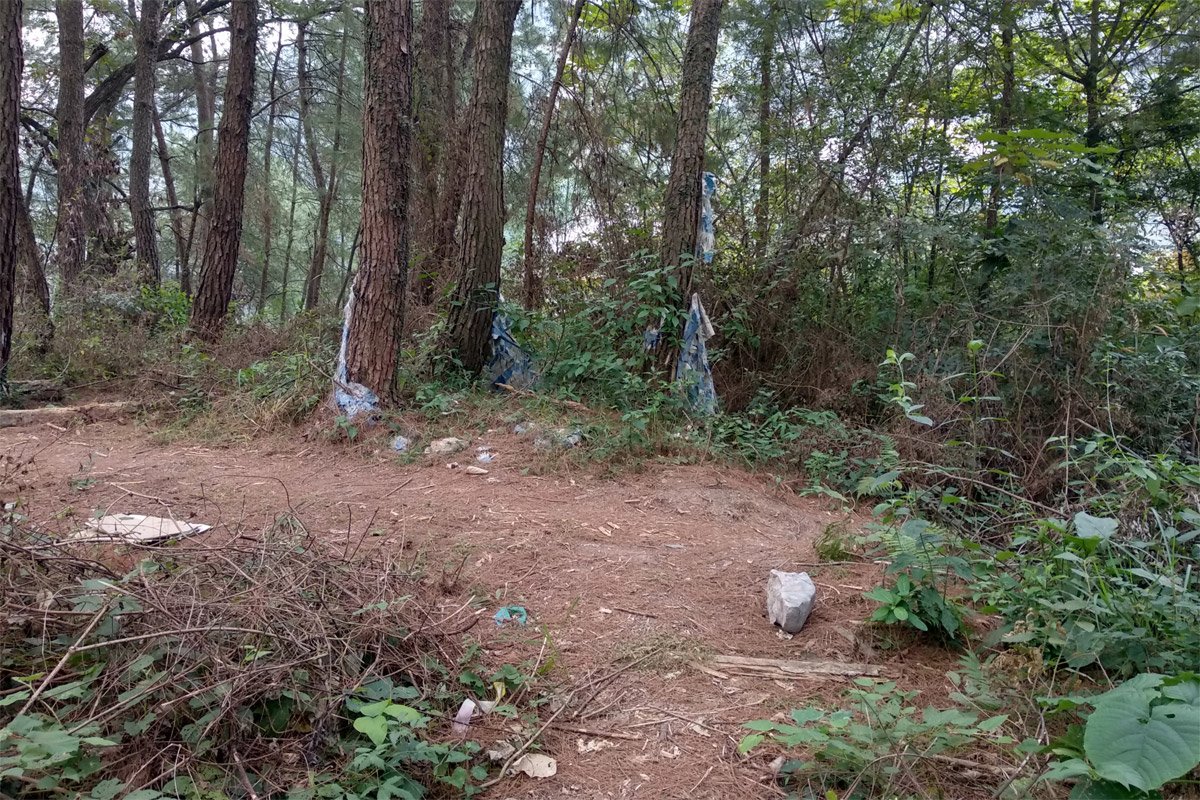
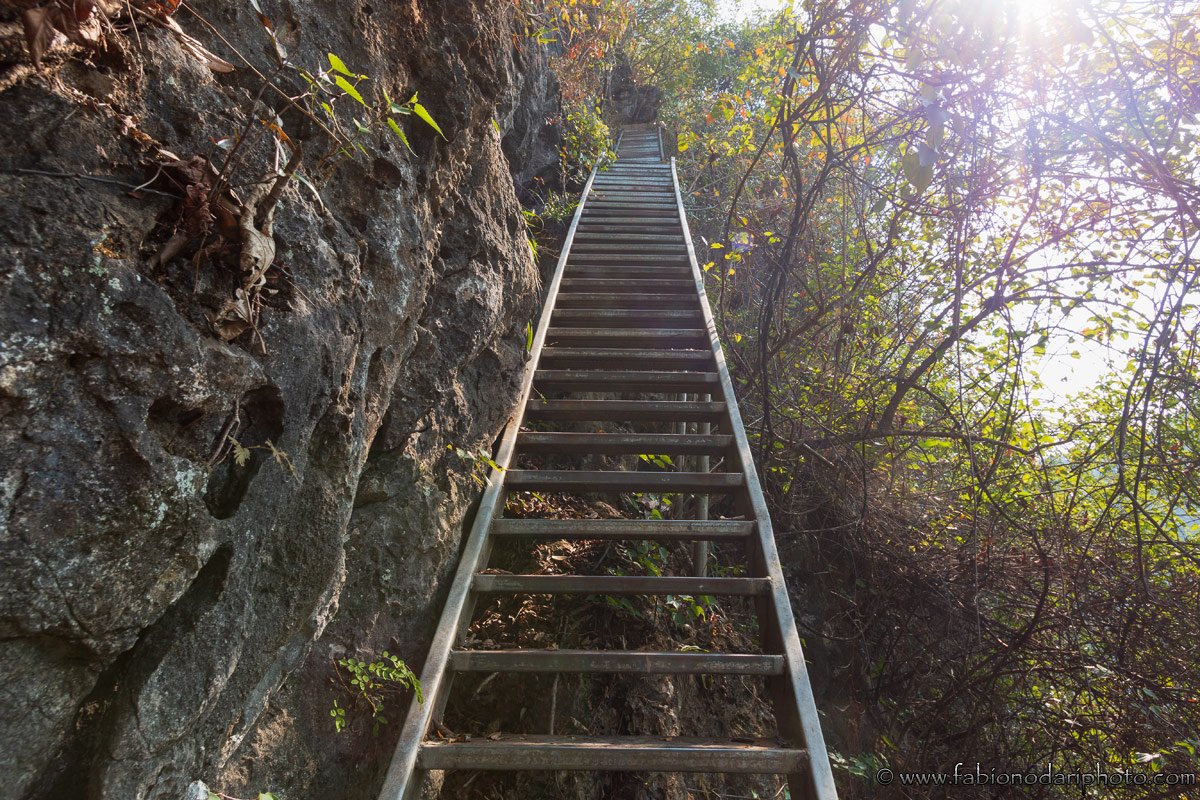
You can’t get lost: about 50 meters after turning left, you’ll see the beginning of the concrete steps that will accompany you until the top of the mountain. The path is steep but entirely cemented: not too difficult but tiring. Towards the end, you will have to climb these iron steps:
After about an hour from the beginning of the trail, you will reach the top of the mountain. Continue until you get to the end of the path. You will find a concrete platform and one of the most beautiful views in China and, I would say, worldwide.
The concrete terrace has no protection, so be careful. If you don’t want to go for a walk in the dark, waking up at 4:30 in the morning, you can always consider camping on the terrace. I met a Chinese photographer who did it.
If you have a drone, the view will be even more insane. Don’t forget to register it before coming to China (you can do it here).
Sunset in Laozhai (老寨山)
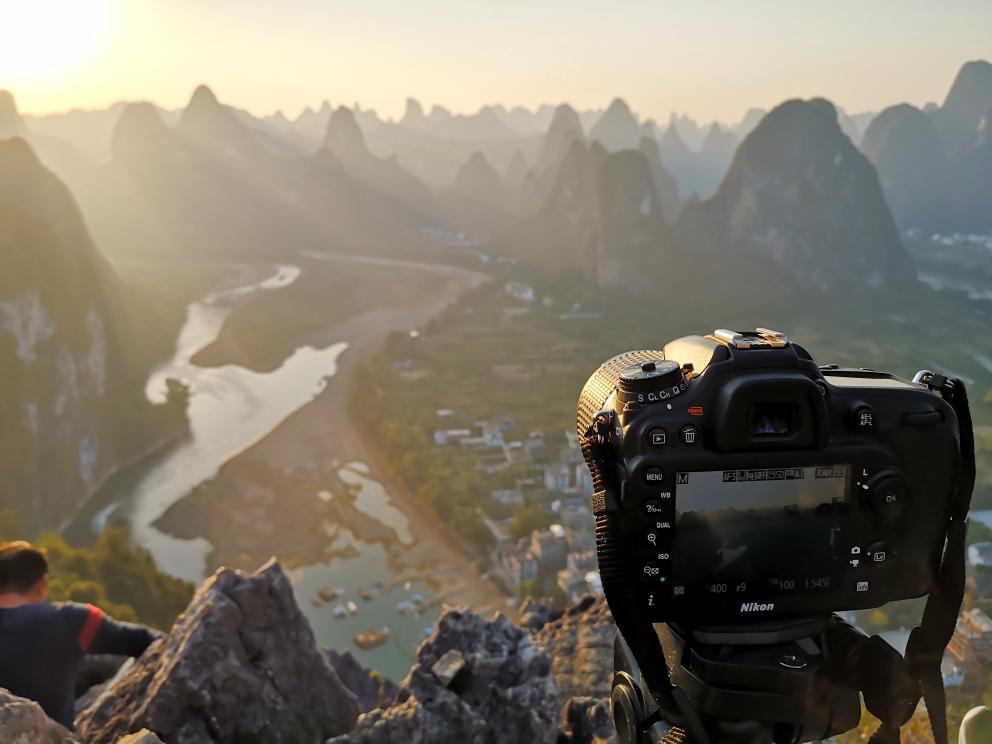
Another great place to take photos at sunset is Laozhai (老寨山). The beginning of the path is easy to find, as it’s just a few meters from the Xingping pier. It’s an “unofficial” viewpoint, so the trail is challenging, especially if it rains.
It takes about 45 minutes to reach the top. Once you get to the small temple, I suggest you continue climbing on the rocks nearby to reach the best position to place the tripod. Keep in mind that the descent will be completely in the dark, so bring a torch.
From this viewpoint, you won’t need to pay an entrance fee, but it’s a bit more famous than Damianshan, so you probably won’t be the only photographer. A huge thanks to Stefano Zaccaria for giving me this information.
Where to take the best pictures in Yangshuo (阳朔)
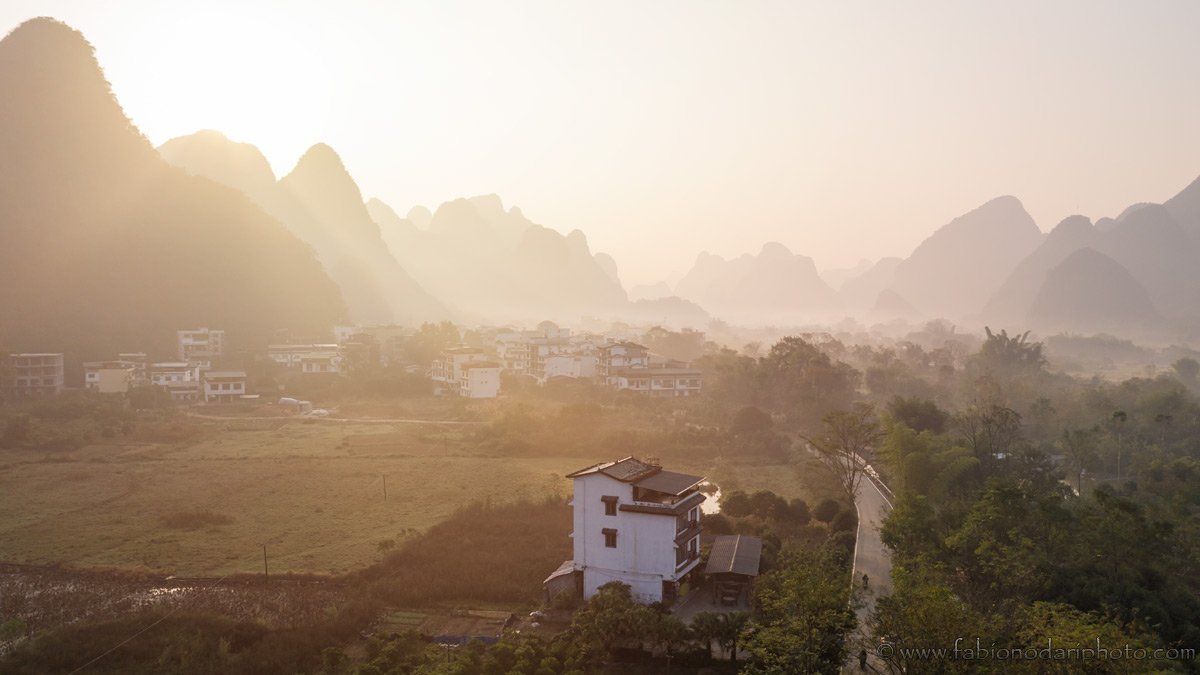
Yangshuo is another popular destination among landscape photographers. Even if it doesn’t have the same photographic opportunities as Xingping, there are still some cool places to photograph.
To make the most of your trip, I suggest staying in Yangshuo for at least two nights.
Sunset in Wuzhishan (五指山)
Wuzhishan is about 40 minutes north of Yangshuo, but there is no public transport to get there, so you can get there with a taxi or a private driver (send me a DM if you need one). You can ask the hotel where you are staying (I recommend this one) and they will find you a driver.
Wuzhishan is the name of a mountain from which you can take the picture you see above. Unsurprisingly, you will find the usual very steep steps that will take you to the top of the mountain after about half an hour, where you’ll stand on a concrete terrace. You have to buy a ticket to access the viewpoint.
The mountain is located in the heart of the Chinese countryside, the authentic one without hotels and KTV, and with people still living as they did 100 years ago. In retrospect, I might have arranged to stay there for half a day.
Fuli Bridge (副理桥) and villages along the Yulong River
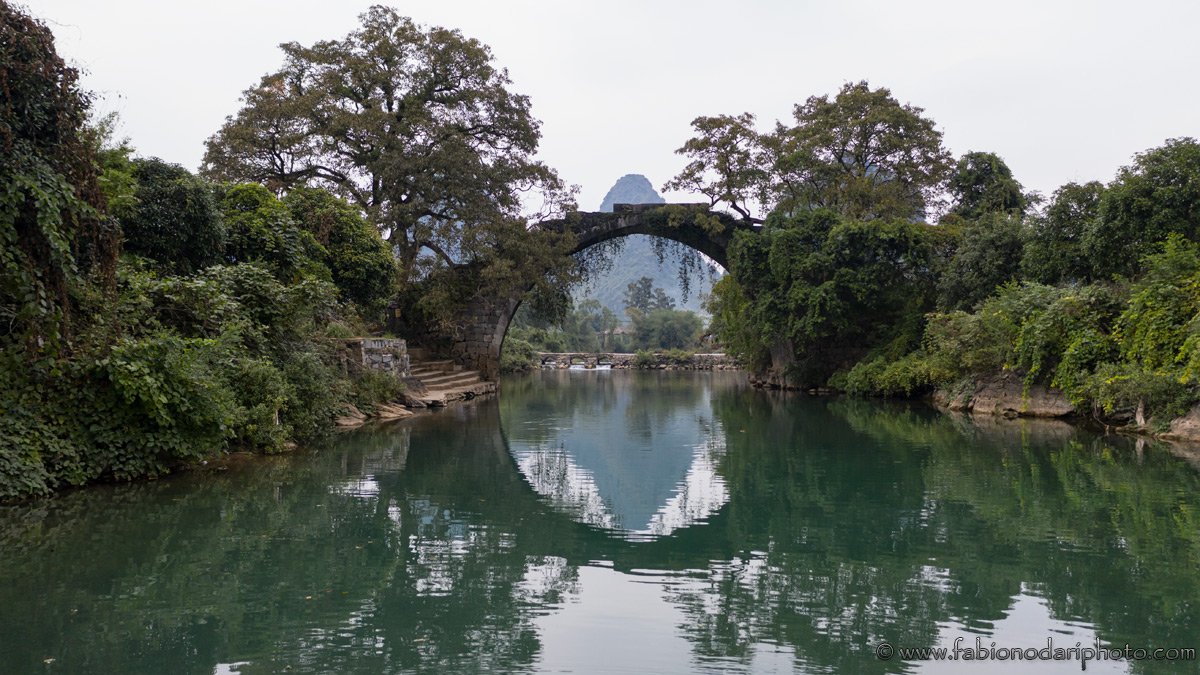
If you read my previous article, I recommend staying outside Yangshuo and renting a bike to explore the area. You’ll pass through many villages that are worth photographing.
The Fuli Bridge is one of the most interesting things to see in the area. It’s a really beautiful stone bridge. Probably a bit touristy, but at least you won’t have to buy a ticket, and there are no stairs to climb.
Other places to photograph
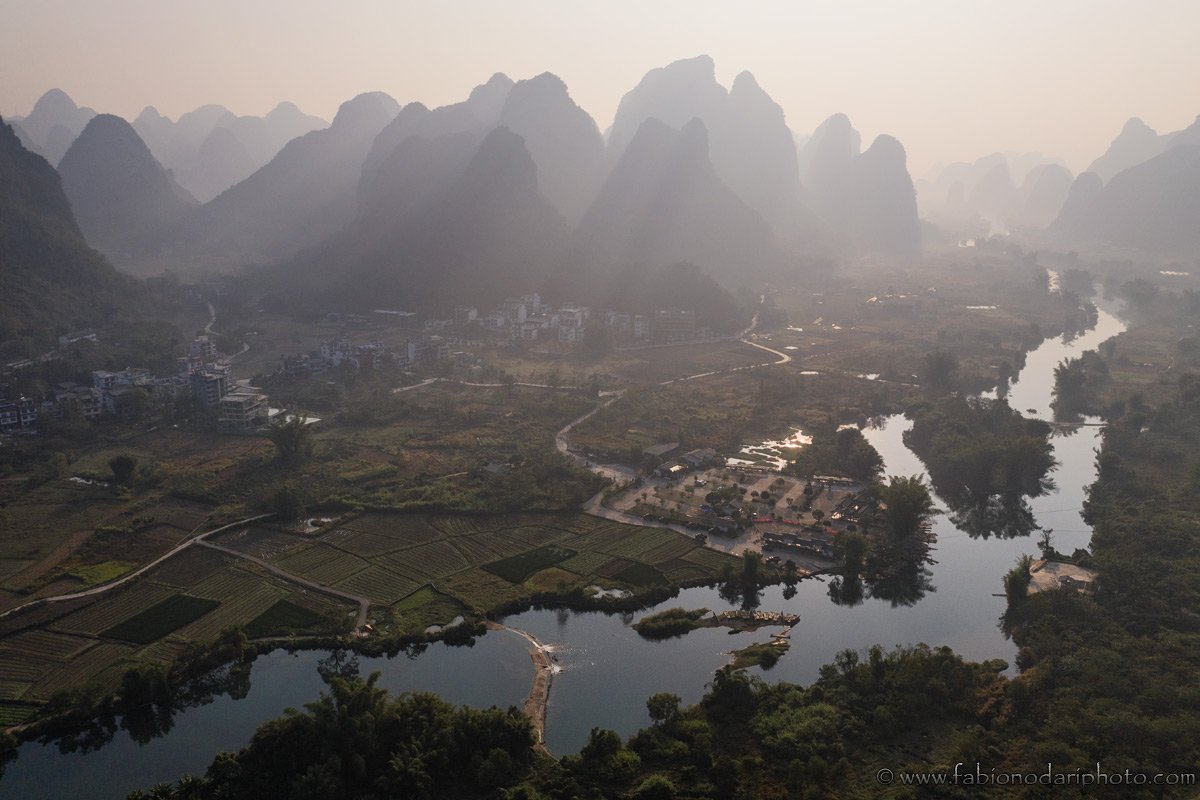
There are many other famous places to photograph, such as the TV tower in Yangshuo (from where you can have a panoramic view of the city), Moon Hill, Elephant Rock, and the Flute Cave. I won’t mention them in this article because they are very popular but not that great, especially compared to the places I wrote about.
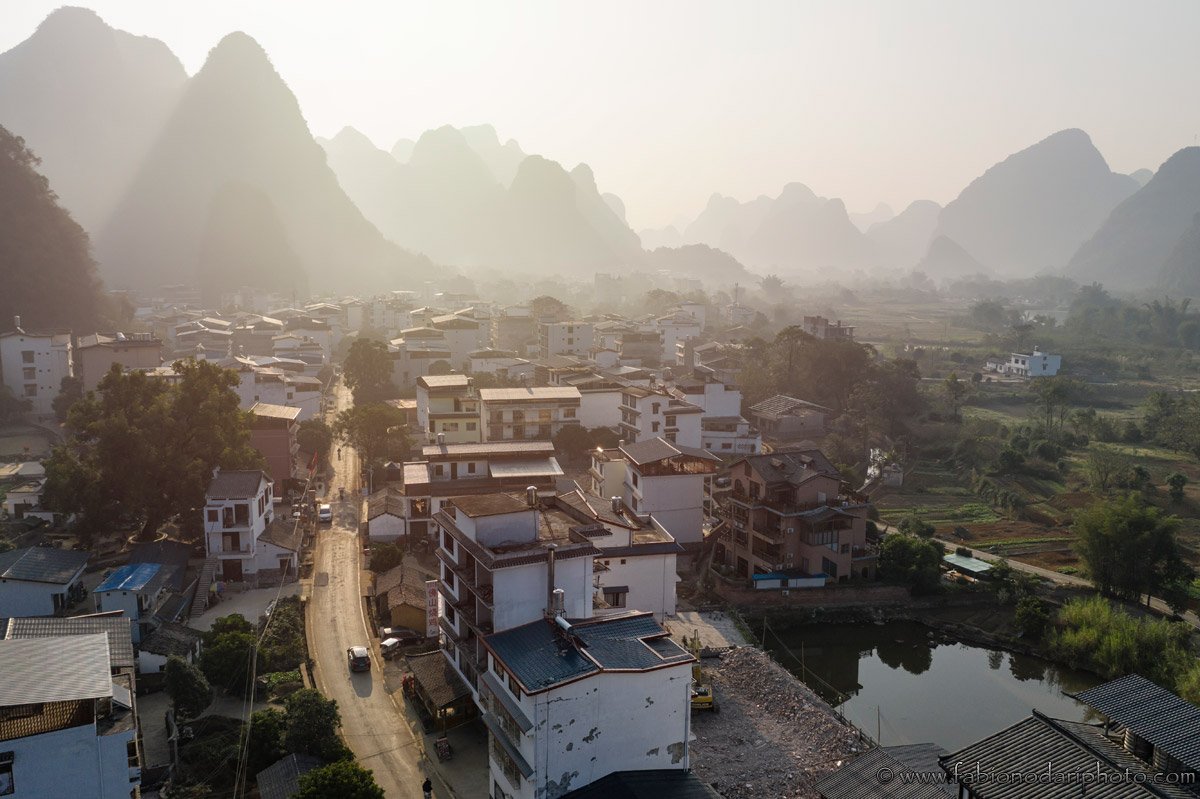
With a drone, you will have many more options to take unique pictures, especially in Yangshuo. Here, you can find more information about international drone regulations.
As a last tip, remember that if your main goal is to visit Yangshuo and Xingping to take good pictures, it is fundamental to choose the right months. Statistically, November to January is the best: fewer overcast days and not much rain.
If you still have some days left, you might want to consider visiting the Longji rice terraces (here’s my travel guide).
Here, you can find more pictures I took in Yangshuo and Xingping. Please don’t forget to get a VPN before you leave, or an eSIM. If you need a travel insurance, this is good.
Here’s my photography and travel guide to another beautiful area that is surprisingly not so popular among foreigners: the Tulou in Fujian Province.


Ciao Fabio, come stai.
Just trying to work out the logistics for the Guilin part of my China trip. I love your Damianshan recommendationfor the classic sweeping XingPing views but I am having trouble locating it. When searching Damianshan, Google takes me NE of Xingpingzhen, but the guesthouse link you supplied Dazhouling which is SE of Xingpingzhen. Public photos of Damianshan look similar to yours, but so do the photos of the guesthouse booking page. Are you able to help clarify which is which?
Grazie mille in advance! 🙂
Hi Carly. If you stay in the guesthouse I recommended, the hiking trails is exactly in front of their main building. Unfortunately Google doesn’t work very well in China and sometimes it can’t find the exact location.
Hi Fabio, Fantastic pictures and helpful guide. I will be in XingPing end Oct2025. Will probably climb to some of the spots you introduced. I wanted to ask about the location that the fisherman pictures were taken. The scenery already looks good even without the fisherman. Do you know where it is? Thanks in advance.
Hi Alex. It’s near the village. You can’t miss it.
Thank you
Hi Fabio! Great post, your photos look amazing! I will be traveling to China in mid June and I was wondering if you arranged the Cormorant fishermen photo shoot yourself or if you ended relying on one of the many photographers in the area. I asked for some budgets around but they’re a bit pricey for me given that I’m not a professional. I asked my hotel but they couldn’t help me arranging the photo shoot either.
Regarding the Longjji terraces (I saw you have a dedicated post for them but since I don’t want to spam I’ll ask here) do you know how they will be in mid-late June? Green or full of water?
Best regards
Hi Marina. I simply asked the hotel to do it for me. The hotel can surely help you, but sometimes they refuse or they say they can’t. Just insist.
As for the rice terraces in late June they should already have some rice plants growing up. But I’ve personally never been there in June.
Hi Fabio, thank you very much for your article. I found it very useful. Your photographs are amazing.
We have already bought flight tickets to go to China for the beginning of April, which I now realise can be rainy. I wonder if you have any ideas or suggestions for someone who is going to Guilin in April? Should I even go to Guilin in April?
Thank you and happy travelling!
Hi Mich, happy to help. The weather in the past few years has been quite weird. It’s really hard to say. Maybe you are luck and won’t get any rain.
Thank you for your reply, Fabio.
Hi Fabio,
to get to Damianshan you need to take a ferry. Do you might know at which times it is in operation? I am interested cause I will arrive late in Xingping and need to cross the river first to climb the mountain the next morning.
Best regards
I’m not sure sorry.
I’m going to China this October (after the national holiday period, to avoid the crowds) and, among other places, will be visiting Yangshuo/Xingping, as well as the Zhangjiajie area. Any suggestions as to pivate guides/drivers for either area? Or os it better to arrange one through the hotel? I don’t need anyone to show me how to operate a camera, but do need someone who can get me to the right places at the right times (e.g. very early morning for the Li River viewpoints), as well as arranging things like photo sessions with cormorant fishermen and navigating tickets and entry to various viewpoints at Zhangjiajie.
Hi, you might be able to arrange it with the hotel but if your focus is on photography is probably better to arrange it in advance. I’ll send you an email with the contacts.