
Are you planning a trip to Nepal but don’t want to go on a long trek? Read my 10-day itinerary to discover the best places to experience the country’s culture and natural beauty.

When people think about Nepal, they most likely picture long and challenging treks through the Himalayas, and rightly so. Around 75% of Nepal is covered by rugged hills and towering mountains, including eight of the world’s fourteen peaks above 8,000 meters.
However, Nepal offers much more than that. Over the course of ten days, I followed an itinerary that included short hikes to beautiful villages, starting in Kathmandu, then Bandipur, Pokhara, and finally Chitwan, with a focus on photography. This route is excellent even if you are not a professional photographer.
When is the best time to visit Nepal?

Choosing the right season to visit Nepal is extremely important, especially if your goal is photography and trekking. The best months are October to early December and March to May, when the skies are clear, and there are fewer chances of rain. This will give you higher chances of seeing the Himalayas, and the temperatures are also quite nice.
Traditional festivals like Dashain (celebrated by both Hindus and Buddhists) and Tihar (the Festival of Lights, also known as Deepawali) usually take place between late September and October, giving you another great reason to visit Nepal during this period. Keep in mind that the exact dates change every year since they follow the Hindu lunar calendar, so it’s best to check the specific dates before planning your trip if you want to experience these celebrations.
I recommend avoiding the summer months (June to September), since these are the monsoon months, and besides muddy roads, you’ll also have limited visibility in the mountains. In winter (late December to February), it can be cold and hazy, especially in higher areas. So, planning your trip around the right season doesn’t just make your experience more pleasant; it can completely change the way you see and capture Nepal.
If your main goal is photographing the tigers in the national parks, then March and April are perfect because the vegetation is less dense, and it will be easier to spot them.
DIY or Guided Tour

When people plan a trip to China, and especially to the Tibetan Plateau, one of the most common questions I get is whether they can travel independently or if they need to hire a guide. There’s no simple answer to that, and the same goes for Nepal. It really depends on what kind of experience you’re looking for.
If your goal is to immerse yourself in local culture, interact with villagers, and photograph authentic daily life, having a local guide can make a big difference. They can help you communicate, understand customs, and discover places you would never find on your own. On the other hand, if you prefer to move at your own pace, it is also possible, especially if you stick to the more touristy destinations.
I traveled with Hiking Adventure Treks, and I recommend it if you want to explore Nepal like a local. I personally met Ram and Sajana, the couple who started the company. They are incredibly helpful and will do their best to accommodate your needs. If you mention my name (FABIO), they’ll also give you a small discount on your tour. They can arrange anything from an all-inclusive luxury stay to a simple day transfer between cities.
There are some areas, and in particular the safari in Chitwan, where a local guide is mandatory.
Top things to do and see in 10 days in Nepal
This is a general overview of the places you can visit in about 10 days. You can use the areas mentioned below as a sort of guideline to start arranging your trip, but if you want specific information about these places, you can check my other articles about Nepal.
2 Days in Kathmandu: Heritage, Temples, and City Life

Kathmandu is the capital of Nepal, and it’s most likely the starting point of your trip. You can find here my detailed guide to the city, but in a few words, you can spend a couple of days there exploring its most popular spots.
What I really loved about this city is how beautifully it blends Hindu and Buddhist culture, and the two are often mixed in religious sites.
Thamel is the beating heart of Kathmandu and the place where I recommend staying for the night. It’s a maze of narrow streets packed with trekking gear shops, cafés, guesthouses, and travel agencies, all mixed with temples, prayer flags, and the constant buzz of motorbikes. Despite being busy and sometimes chaotic, I think Thamel has its own charm, especially in the early morning when the streets are still quiet and locals are setting up for the day. I stayed in this hotel, which has a great view of the city from the top floor.


The Kathmandu Valley is home to a single UNESCO World Heritage Site inscription that encompasses seven distinct monument zones, recognized for their cultural and historical significance since 1979. These sites blend Hindu and Buddhist architecture, temples, stupas, and royal squares. These are the sites:
- Changu Narayan Temple: The oldest Hindu temple in Nepal, dedicated to Vishnu, with ancient stone inscriptions and sculptures dating back to the 5th century.
- Patan Durbar Square: Known for its intricate Newari architecture, including the Krishna Mandir temple and royal palace, it’s a center of arts and crafts in Lalitpur (Patan).
- Pashupatinath Temple: A sacred Hindu temple complex dedicated to Lord Shiva, located on the Bagmati River, known for its cremation ghats and religious rituals.
- Boudhanath Stupa: One of the largest spherical stupas in the world and a major pilgrimage site for Tibetan Buddhists with surrounding monasteries and shops.
- Swayambhunath Stupa (Monkey Temple): An ancient Buddhist stupa atop a hill, famous for its all-seeing eyes, monkeys, and panoramic views of the valley.
- Kathmandu Durbar Square (Hanuman Dhoka): A historic royal palace complex with temples, courtyards, and museums, featuring structures like the nine-story Basantapur Tower and the Kumari Ghar (home of the living goddess).
- Bhaktapur Durbar Square: Features well-preserved medieval architecture, such as the 55-Window Palace, Nyatapola Temple, and golden gates, showcasing traditional Nepali craftsmanship. Technically, it’s not in Kathmandu, as Bhaktapur is a different town.
As you can see, the term “durbar” appears several times. It comes from the Persian word darbār, meaning “court” or “royal court,” and was adopted during the time of the Malla and Shah kings. In Nepal, it refers specifically to royal palaces and the surrounding squares that served as the centers of power, ceremonies, and cultural life.


The Newar people, the original inhabitants of the Kathmandu Valley, built many of the places listed above. They have a long history of craftsmanship, art, and architecture, and most of the valley’s beautiful temples and intricate wood carvings were created by Newar artisans.
As a bonus, if you have some more time, I recommend visiting Khokana (another Newar village), which, despite being only a few Km from Kathmandu, is surprisingly quiet, and you won’t find any tourists. The village is famous for its mustard oil production, and if you visit during harvest season, you can see locals pressing oil using centuries-old wooden mills.
Nagarkot


Your next stop will be Nagarkot. This is one of the best places around Kathmandu to enjoy panoramic views of the Himalayas without having to go on a long trek. Perched on a ridge about 2,000 meters above sea level, it’s especially popular for sunrise, when the first light hits the snow-capped peaks, including Langtang, Ganesh Himal, and, on clear days, even Mount Everest. I recommend staying in this hotel since it has a perfect view of the whole Himalayan range.
After watching the sunrise, you can then head to Pokhara.
2 Days in Pokhara: Sarangkot, Pumdikot, World Peace Pagoda, Gupteshwor Mahadev Cave

Pokhara is a city that feels completely different from Kathmandu, with a much more relaxed vibe. Nestled beside the tranquil Phewa Lake and backed by the towering Annapurna range, it’s a photographer’s dream, especially at sunrise when the mountains turn orange. What I love about Pokhara is how it combines natural beauty with a friendly, laid-back atmosphere, making it easy to recharge while still having access to plenty of activities like paragliding, trekking, or visiting local villages.


These are the main things to do in Pokhara:
- Sarangkot (Ganesh Statue): This is the best place to see the sunrise, since this hilltop viewpoint at around 1,600 meters has incredible views over the Annapurna mountain range.
- Pumdikot Viewpoint (Shiva Statue): Located at 1,500 meters on Pumdikot Hill, this site features Nepal’s second-tallest Lord Shiva statue. This viewpoint is also good for photography, but it’s located far back compared to Sarangkot, so the mountains will be a bit further.
- World Peace Pagoda: Also known as Shanti Stupa, this white Buddhist monument with a golden spire sits atop Anadu Hill at 1,100 meters. It was built in 1999 by the Japanese Nipponzan-Myōhōji organization as the first World Peace Pagoda in Nepal, featuring four Buddha statues representing key life stages and offering serene views of the Annapurna range, Phewa Lake, and Pokhara city. It’s located next to the Pumdikot Viewpoint.
- Gupteshwor Mahadev Cave and Devil’s Fall: One of Nepal’s longest caves, at about 3 kilometers, this sacred limestone formation in Chhorepatan houses a natural stalagmite revered as a Shiva lingam. To be honest, I think it’s much more interesting, the intricate staircase that will take you down to the cave, than the cave itself. But it’s worth a visit since it will only take about 30 minutes. Right on the other side of the road, you can quickly visit the Devi’s Falls, a famous waterfall.
Ghandruk Village: touristy but worth it

Ghandruk is one of the most beautiful villages I’ve ever seen (well, at least the older part of the village), mainly thanks to its incredible location close to the Machhapuchhare and Hiunchuli peaks.
People in this area belong to the Gurung ethnic group, which is of Tibet-Mongoloid origin and has a long history in the Annapurna region. They are known for their distinct culture, language, and traditions, including music, dance, and unique festivals. Many Gurung families also have a strong connection to the British and Indian armies, which has influenced their livelihoods and exposure to the outside world.
Remember that accessing the area where Ghandruk is located requires a permit, and because the roads are steep and rugged, you’ll need a 4WD vehicle to reach the village. Unfortunately, despite its remote location, this is NOT a quiet place: you’ll find a ton of tourists, and it can be too much at times. I’m telling you this to give you the right expectations.
If you decide to visit Ghandruk, head to the ancient part of the village for sunrise: you won’t regret it.
Dhampus

Dampus is another small village near Pokhara, with similar views of Ghandruk, but located at a lower elevation and with fewer tourists. You can visit it on your way to the next village. The road to get there is also quite scenic with rice terraces and the Annapurna range in the background.. It’s a perfect place to slow down, enjoy the scenery, and experience village life firsthand.
Astam

Astam is a small village near Pokhara that most people tend to skip, but I think it’s worth a visit if you want a taste of rural life in the Annapurna region. The village sits on a gentle hillside, with terraced fields, traditional stone and wooden houses, and locals going about their daily routines. What I love about Astam is its calm, authentic atmosphere: no crowds, no tourist traps, just a simple way of life surrounded by green hills and mountain views.
It’s also a great spot to start short hikes or wander through the village and enjoy the scenery while observing how people live here. The view at sunrise is also incredible: don’t miss it. If you decide to visit Astam, stay in this place: you won’t regret it.
Chitwan: the Tropical Side of Nepal


Chitwan is one of those parts of Nepal that surprises you because it’s so different from the mountains most people associate with the country. Located in the lowlands of the Terai, it’s a lush, subtropical region full of rivers, grasslands, and forests, which makes it great for wildlife.
The Tharu people are the main ethnic group here, and their culture is deeply connected to the land. Historically, the Terai was heavily affected by malaria, but the Tharu developed a natural resistance over generations, which allowed them to thrive where others could not. Walking through a Tharu village today, you can see their colorful houses, women with traditional jewelry and tattoos, and people still practicing age-old crafts and agricultural methods, giving a real sense of continuity with the past.


What I like about Chitwan is that it shows a side of Nepal that many travelers miss. While Kathmandu and Pokhara are busy with tourists, Chitwan feels slower, quieter, and more authentic. Beyond the villages, the national park itself is a real highlight, home to rhinos, tigers, elephants, and countless bird species. You can explore it by jeep, canoe, or on foot, and every moment feels like stepping into a completely different world. Here you can find my detailed travel guide on how you can arrange your trip to this beautiful and often overlooked part of the country.
I recommend staying in this beautiful resort, since the manager is really amazing and will arrange all activities for you, and the location is also great for your safari in the park.
Nepal vs Tibet

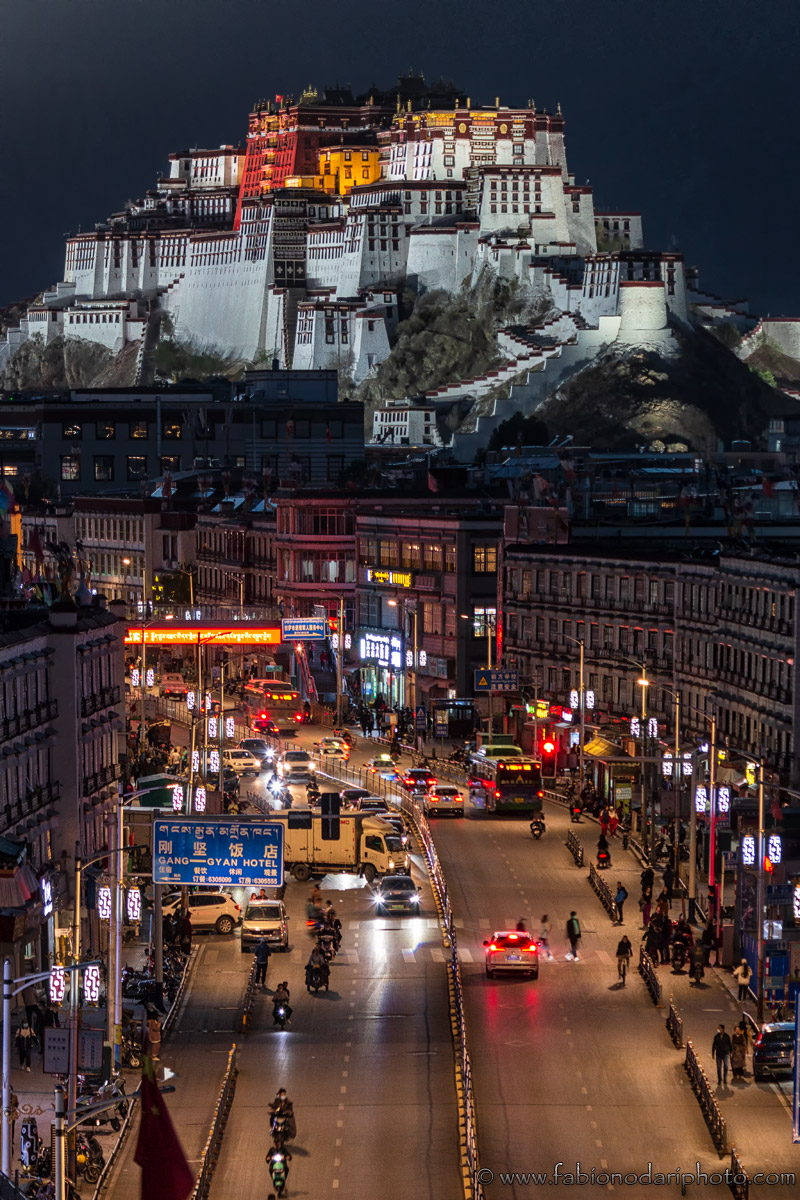
One of the most common requests on my blog is from people who want to arrange a tour to both areas. That’s why I was happy to travel to Nepal: I can now finally give recommendations for people who are planning a trip there. I wrote extensively about Tibet, how to get the permit, and which itinerary you can pick for your first trip. Remember that it’s not possible to travel to Tibet independently, and you’ll need to get a permit and be with a local guide. If you need recommendations for a trusted travel agency for visiting Tibet, send me a DM on Instagram.
If your time is limited and you have to choose between Nepal and Tibet, distance and accessibility make a big difference. Nepal is surprisingly compact, which means that in a week or so, you can go from the towering peaks of Everest to the lush, tropical jungles of the south. This shorter travel distance allows you to experience an incredible variety of landscapes, cultures, and activities without spending endless hours on the road.
Tibet, in contrast, is vast and spread out. Traveling across the Tibetan Plateau requires longer journeys, often at high altitude, which can be challenging and time-consuming. While Tibet offers a profoundly authentic experience for those interested in Tibetan Buddhism and the unique plateau culture, it is less diverse in terms of landscapes and activities compared to Nepal.
If your goal is a deep spiritual or cultural exploration of Tibetan Buddhist traditions, Tibet is unparalleled, but for a trip where you want to see a variety of landscapes, religions, and experiences in a short amount of time, Nepal is a better choice.
Final Thoughts

What makes Nepal truly special is how its breathtaking landscapes are intertwined with deep spiritual traditions and a way of life that still follows the pace of nature. Whether you’re standing at a viewpoint watching the sunrise over the Annapurnas or sharing tea with a family in a small mountain village, it’s easy to feel a sense of connection here, to the land, to the people, and to something larger than yourself.
If you are looking for something more than just scenic views, Nepal offers both: dramatic natural scenery and an authentic cultural experience that stays with you long after you leave. It’s a place that touches the heart as much as it captivates the eye, making it an ideal destination for anyone seeking the true essence of travel.
I truly enjoyed my time there, and I was honestly surprised by how much diversity in nature and culture can exist in such a small country. I’m sure you’ll feel the same way when you visit.
If you want to use an eSIM, this is a great option. Don’t forget to get a good travel insurance, such as this one.
Here you can find some more pictures I took in Nepal.


Buongiorno Fabio! Mi presento, sono Cinzia Dibenedetto. Fotografa da 18 anni. Lavorativamente mi occupo di eventi privati come matrimoni o altre celebrazioni, per passione invece adoro fotografare paesaggi e persone. Ho visto le tue foto del Nepal e me ne sono innamorata. Vorrei sapere se fosse in programma qualche viaggio a marzo. Purtroppo da Pasqua in poi, il lavoro non mi permette di viaggiare. Attendo tue, grazie!
Ciao Cinzia io sono andato da solo. Puoi partire quando vuoi.